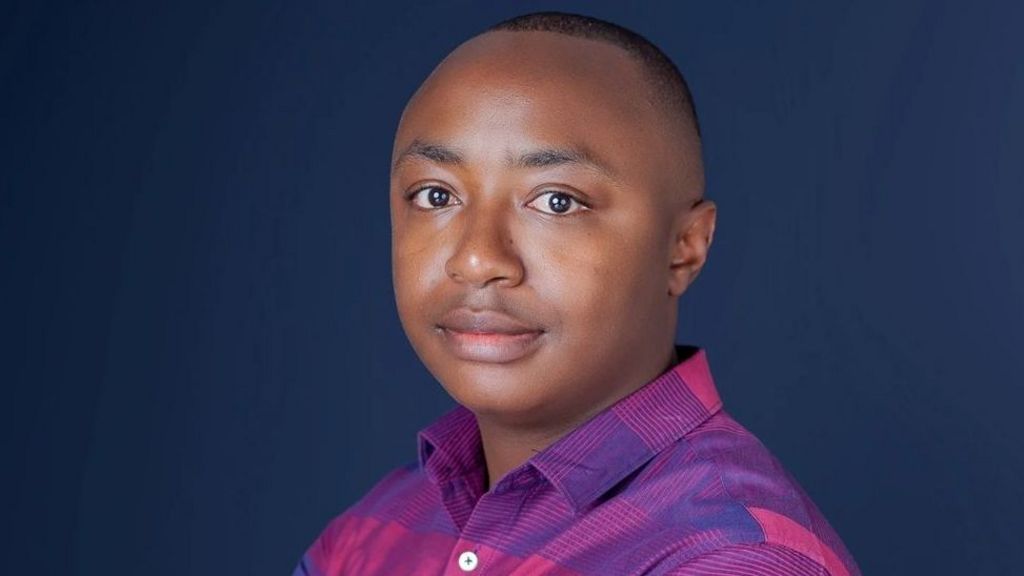
The prestigious Caine Prize for African Writing has confirmed Zimbabwean author Simbarashe Kundizeza as the winner of this year's £10,000 ($13,000) award, following an investigation into allegations that his winning short story was AI-generated. The controversy arose after an article in US magazine The Atlantic claimed Kundizeza's work was entirely produced by artificial intelligence. Ellah Wakatama, chair of the Caine Prize's board of trustees, announced that after a thorough investigation, including interviews with the author and expert-led metadata analysis, there was no evidence to support these claims. The Blue Fighter, Kundizeza's winning story, is a tale about a boy whose family experiences hardship, which had initially raised suspicions when AI-detection software Pangram indicated it was entirely AI generated. This year has seen similar controversies surrounding other literary prizes, such as the Commonwealth Short Story Prize and France's Goncourt award, where allegations of AI use have been made. The Caine Prize organization has emphasized that their investigation was conducted with a human-centric approach, interviewing the author, the judging panel, and the Shallow Tales Review, where the story was first published.
In an interview with the BBC, Kundizeza revealed his inspiration for the story came from a poem read by South African Vangile Gantsho at an event in Ghana last year about her father's obsession with building fish tanks. He incorporated fictionalized details from his own life during Zimbabwe's economic troubles around 2002 into the narrative. The controversy on social media has sparked discussions about potential bias in AI-detection software, with some African writers suggesting that such accusations are disproportionately targeted towards non-white writers.
Following an article in US magazine The Atlantic, the Caine Prize for African Writing has launched an investigation into allegations that Zimbabwean writer Simbarashe Kundizeza used artificial intelligence to write his winning short story, The Blue Fighter. The article, with the headline Yet Another Literary Prizewinner Seems to Be AI, claimed that AI-detection software Pangram had shown Kundizeza's work about a boy whose family falls on hard times was entirely AI generated. This allegation has caused controversy and sparked a social media uproar, with Kundizeza vehemently denying the claim. The investigation by the Caine Prize includes interviews with the author, the judging panel, and the Shallow Tales Review, where the story was first published. Independent and expert-led metadata analysis of drafts written by the author is also being conducted as part of the review process.
The controversy comes amidst similar debates surrounding other literary prizes this year, such as the Commonwealth Short Story Prize and France's Goncourt award, where allegations of AI use have been made. The Caine Prize organization has emphasized that their investigation will be conducted with a human-centric approach, aiming to clear Kundizeza's name and ensure the integrity of the prize.
The Caine Prize for African Writing has confirmed that Zimbabwean author Simbarashe Kundizeza's winning short story, The Blue Fighter, was indeed written by a human. This comes after an investigation into allegations made in US magazine The Atlantic that the story was AI-generated. Ellah Wakatama, chair of the Caine Prize's board of trustees, announced that their thorough investigation, including interviews with the author and expert-led metadata analysis, found no evidence to support these claims.
The controversy started when AI-detection software Pangram indicated that Kundizeza's story about a boy whose family experiences hardship was entirely produced by artificial intelligence. This year has seen similar controversies surrounding other literary prizes, such as the Commonwealth Short Story Prize and France's Goncourt award, where allegations of AI use have been made. The Caine Prize organization has emphasized that their investigation was conducted with a human-centric approach, interviewing the author, the judging panel, and the Shallow Tales Review, where the story was first published.
In an interview with the BBC, Kundizeza revealed his inspiration for the story came from a poem read by South African Vangile Gantsho at an event in Ghana last year about her father's obsession with building fish tanks. He incorporated fictionalized details from his own life during Zimbabwe's economic troubles around 2002 into the narrative. The controversy on social media has sparked discussions about potential bias in AI-detection software, with some African writers suggesting that such accusations are disproportionately targeted towards non-white writers.