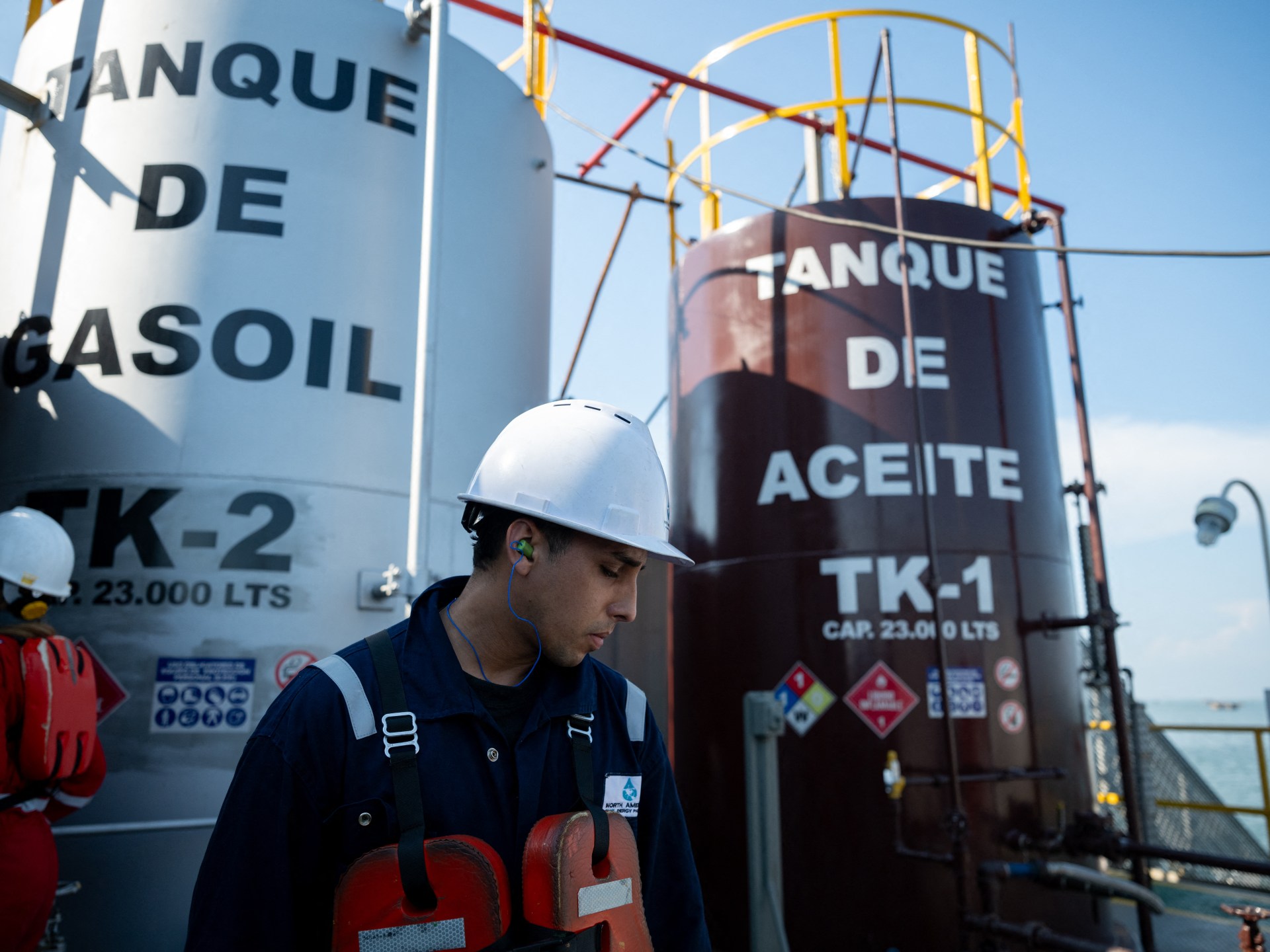
Following the Democrats' takeover of Congress, investigations into President Trump's handling of Venezuela's oil revenue have been announced. Since January 3, the US has controlled Venezuela's oil exports and collected the proceeds in an account overseen solely by the US Treasury. A recent report revealed that over $12 billion has passed through this account since the beginning of the year, but critics argue that the document lacks crucial details regarding the origin and destination of the funds. Tyson Slocum, director of the energy program at Public Citizen, expressed concern over the lack of transparency in the financial engineering associated with the oil transactions. Concerns about Trump's intentions for Venezuela's oil sector date back to late last year, when his administration started seizing oil tankers leaving Venezuela, claiming that any oil on board would be kept or sold by the US as compensation for past losses incurred from Venezuela's nationalization of its oil industry. The January 3 military operation aimed at abducting Venezuelan President Nicolas Maduro and Trump's subsequent plans to use some of the oil proceeds to reimburse the US for damages caused by Venezuela have sparked international law concerns, with legal experts questioning the attack on Venezuela's sovereignty and the legality of seizing another country's natural resources. Some supporters of Trump's actions argue that Maduro's history of violent repression and anti-democratic actions justify the operation, while critics question his commitment to addressing human rights issues in Venezuela. The recent agreement between the US and Venezuelan businessman Alejandro Betancourt's company, North American Blue Energy Partners (NABEP), for a 100-year deal to extract nearly a fifth of Venezuela's oil reserves has raised further transparency concerns, especially given Betancourt's investigations in the US, Spain, and Switzerland over money laundering allegations.
The Trump administration's handling of billions of dollars from Venezuela's oil exports has come under scrutiny after the Democrats announced plans to investigate following their control of Congress. Since January 3, the US Treasury has overseen an account collecting the revenue from controlling Venezuela's oil exports. A State Department report released last week revealed that at least $12.11 billion have passed through this account since the beginning of the year, but critics argue that it lacks key details about the origin and destination of the funds. Tyson Slocum, director of the energy program at Public Citizen, expressed concern over the lack of transparency in the financial engineering associated with the oil transactions. Questions about the Trump administration's intentions for Venezuela's oil sector began late last year when they started seizing oil tankers leaving the South American country and claimed that any oil on board would be kept or sold by the US as compensation for past losses due to Venezuela's nationalization of its oil industry. The January 3 military operation aimed at abducting Venezuelan President Nicolas Maduro and Trump's subsequent plans to use some of the oil proceeds to reimburse the US for damages caused by Venezuela have raised international law concerns, with legal experts questioning the attack on Venezuela's sovereignty and the legality of seizing another country's natural resources. Some supporters of Trump's actions argue that Maduro's history of violent repression and anti-democratic actions justify the operation, while critics question his commitment to addressing human rights issues in Venezuela.
Investigations into President Trump's dealings with Venezuela's oil revenue have been announced by the Democrats following their control of Congress. Since January 3, the US Treasury has controlled an account collecting billions of dollars from Venezuela's oil exports. A recent report revealed that at least $12.11 billion have passed through this account since the beginning of the year, but critics argue that it lacks key details about the origin and destination of the funds. Tyson Slocum, director of the energy program at Public Citizen, expressed concern over the lack of transparency in the financial engineering associated with the oil transactions. Concerns about the Trump administration's intentions for Venezuela's oil sector date back to late last year when they started seizing oil tankers leaving Venezuela and claimed that any oil on board would be kept or sold by the US as compensation for past losses due to Venezuela's nationalization of its oil industry. The January 3 military operation aimed at abducting Venezuelan President Nicolas Maduro and Trump's subsequent plans to use some of the oil proceeds to reimburse the US for damages caused by Venezuela have sparked international law concerns, with legal experts questioning the attack on Venezuela's sovereignty and the legality of seizing another country's natural resources. Some supporters of Trump's actions argue that Maduro's history of violent repression and anti-democratic actions justify the operation, while critics question his commitment to addressing human rights issues in Venezuela.