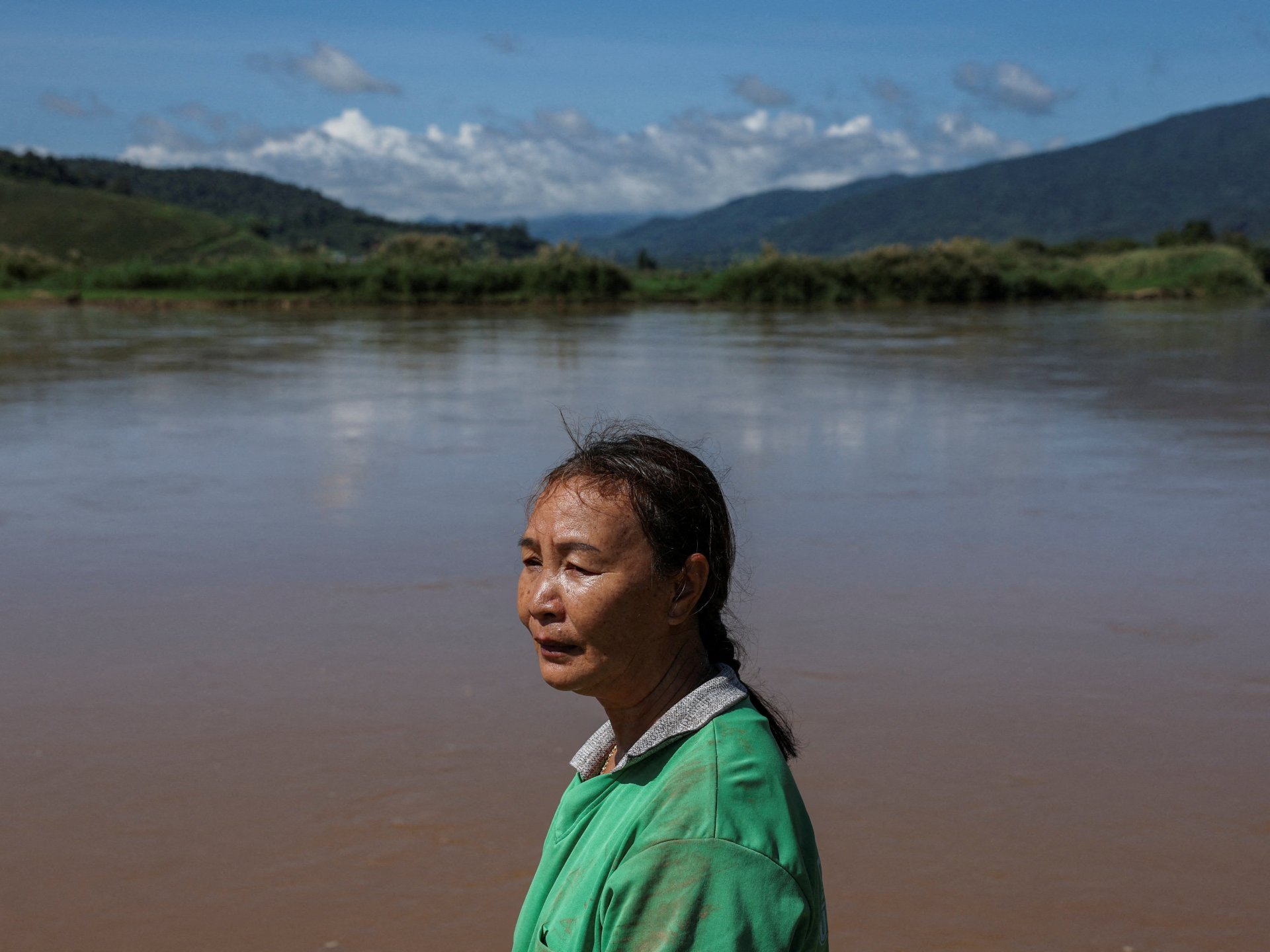
In a swift response to elevated arsenic levels found in the water supply, Thai authorities have mobilized efforts to provide clean drinking water for over 20,000 households in the northern provinces. The contamination is believed to be linked to rare earth mining operations in Myanmar, with officials reporting arsenic levels in some areas as much as 30 times above safe limits. The affected regions include Mae Sai district, bordering Myanmar, where tap water supplies have been suspended due to the high arsenic content. Additionally, authorities discovered that untreated water from the Sai River, a tributary of the Mekong River, contained arsenic at 25 times the acceptable level for drinking water.
In response, two trucks have been deployed to supply affected communities with clean drinking water. The Thai government is also exploring alternative river water sources as a longer-term solution. Researchers from Naresuan University have identified mining operations across the border in Myanmar as the primary source of arsenic-laden sediment in the Sai River. The surge in rare earth mining activities, mainly in rebel-held regions of Myanmar supplying Chinese processing plants, has been blamed for the increased heavy metal pollution in Thai waterways, including the Mekong River.
Thailand's Foreign Minister Sihasak Phuangketkeow raised concerns about the significant increase in pollution in the Sai River during a recent visit to Myanmar. He accused wastewater from mining as the culprit and emphasized that the issue is of immediate concern. The Thai government has also reportedly discussed the matter with China, as many of the mining operations in Myanmar are allegedly Chinese-run. Concerns remain that the pollution may spread downstream along the Mekong River, affecting millions of people across various countries. Preliminary tests have shown arsenic presence in the urine samples of 17 out of 177 individuals tested in Nong Khai province, bordering Laos.