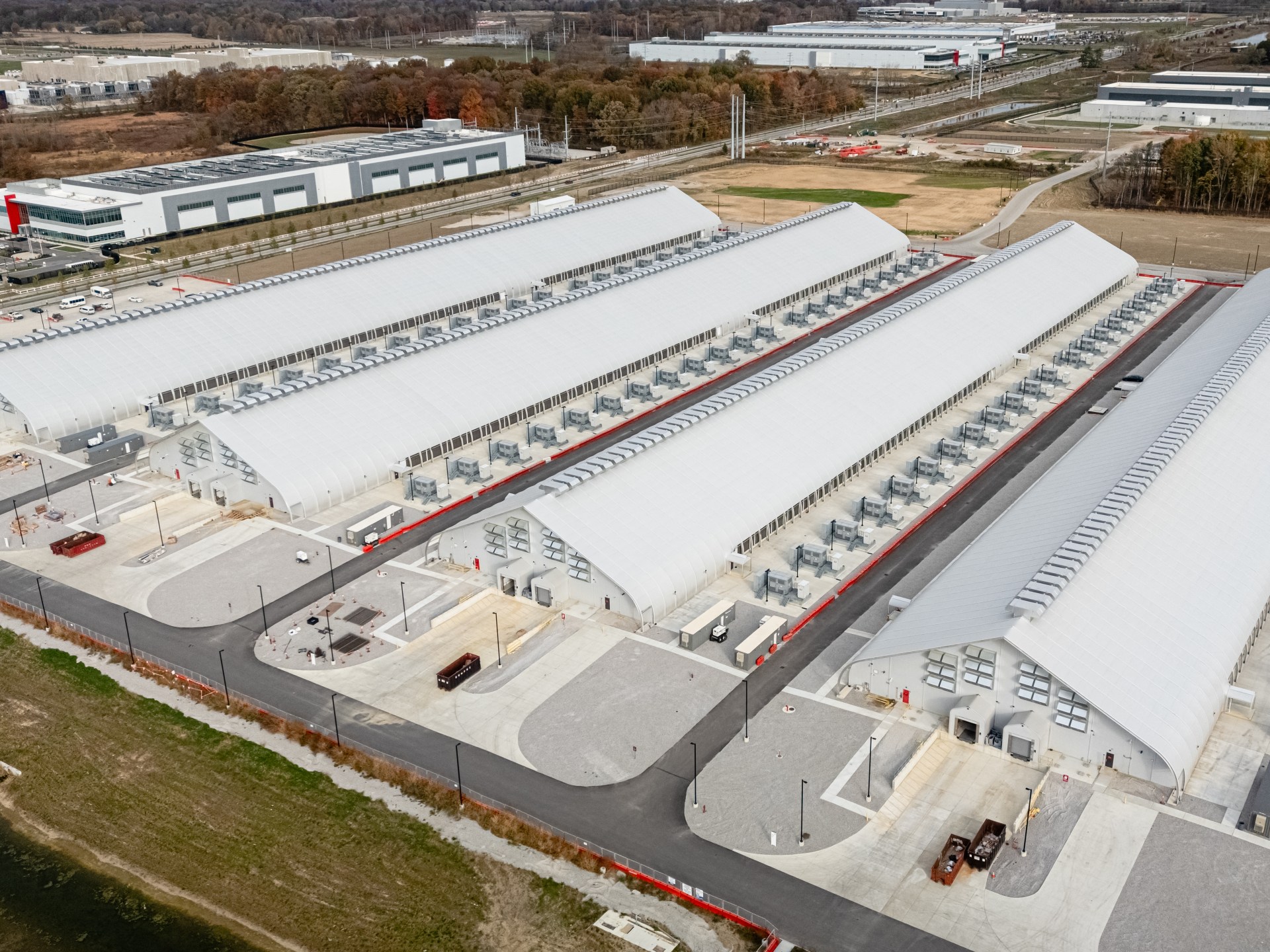
In a rare show of bipartisanship, the United States Senate has moved forward on a bill aimed at expediting the construction of new energy infrastructure and data centers nationwide. The Bipartisan American Affordability and Jobs Act, which garnered nearly unanimous support from Republicans and over a dozen Democrats, is intended to address the growing demand for electricity in the country. President Donald Trump has endorsed the legislation, calling it a "BIG WIN" for U.S. energy independence and dominance.
The bill seeks to streamline the permitting process for major energy projects, both clean and fossil fuel-based, by reducing environmental review deadlines and imposing restrictions on court challenges. It also requires owners of data centers, which have been criticized for contributing to rising electricity bills due to their power-intensive artificial intelligence operations, to pay for the necessary infrastructure.
The legislation is projected to save $19 billion on residential electricity bills through 2040 and double the number of solar and wind projects connected to the U.S. electric grid over the next decade, with data centers paying $55 billion to cover their power usage. However, environmental organizations have expressed opposition to the bill, arguing that it could lock in fossil fuel development, weaken environmental laws, and make it harder for U.S. residents to challenge projects in their communities.
The Democrats' midterm win could complicate the final passage of the legislation. Some party members argue that the bill should be shelved until new Democratic majorities in the House and Senate are sworn in early next year. Critics, including House Minority Leader Hakeem Jeffries, have warned that the bill falls short in several areas and may not adequately support the clean energy economy or combat climate change with the urgency required.