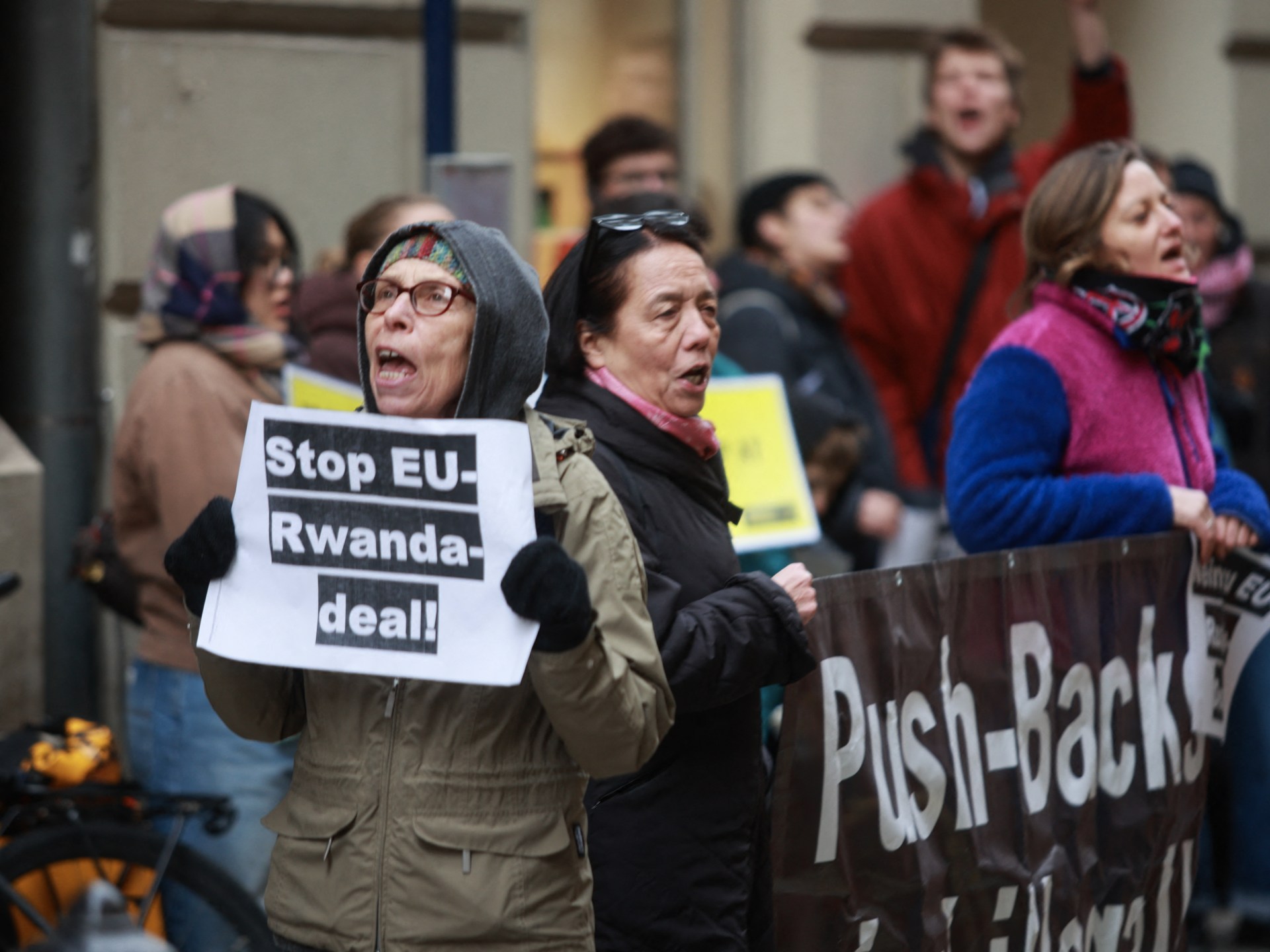
Five European nations - Austria, Denmark, Germany, Greece, and the Netherlands - have unveiled a contentious plan to relocate rejected asylum seekers to a processing center in Rwanda, provoking criticism from human rights groups. The proposed scheme, currently under negotiation with Rwanda's government, aims to deter further migration to Europe by offering migrants the choice to return home, settle in Rwanda, or relocate elsewhere where they are legally entitled to reside. The nations argue that this move will help break the business model of human traffickers, regain control of their borders, and eliminate incentives for illegal migration.
However, rights groups have expressed concern over potential risks of abuse and violations of asylum seekers' human rights in Rwanda. In a joint statement, 47 aid, trade union, and rights organizations urged the five countries to abandon the plan, echoing criticisms of a similar agreement between Britain and Rwanda from earlier years. The International Rescue Committee, Dutch Council for Refugees, and other groups assert that this strategy could jeopardize the rights of vulnerable migrants in exchange for a deterrence goal that may not be effective.
Rwanda's Interior Minister Vincent Biruta maintains that the country will provide a "second chance" to those without a right to remain in Europe, with options for voluntary return, integration into Rwandan society, or relocation to another destination. He also emphasized the establishment of an independent monitoring mechanism and cooperation with the United Nations' refugee agency to safeguard refugees' human rights.
While Germany's Interior Minister distanced the European plan from a scrapped 2022 deal with the UK due to differences in the asylum claim process, Human Rights Watch expressed concerns that the arrangement could finance and bolster a government accused of serious human rights abuses. The plan remains controversial, with critics questioning its legality and effectiveness while human rights groups continue to pressure the participating nations to reconsider their approach.