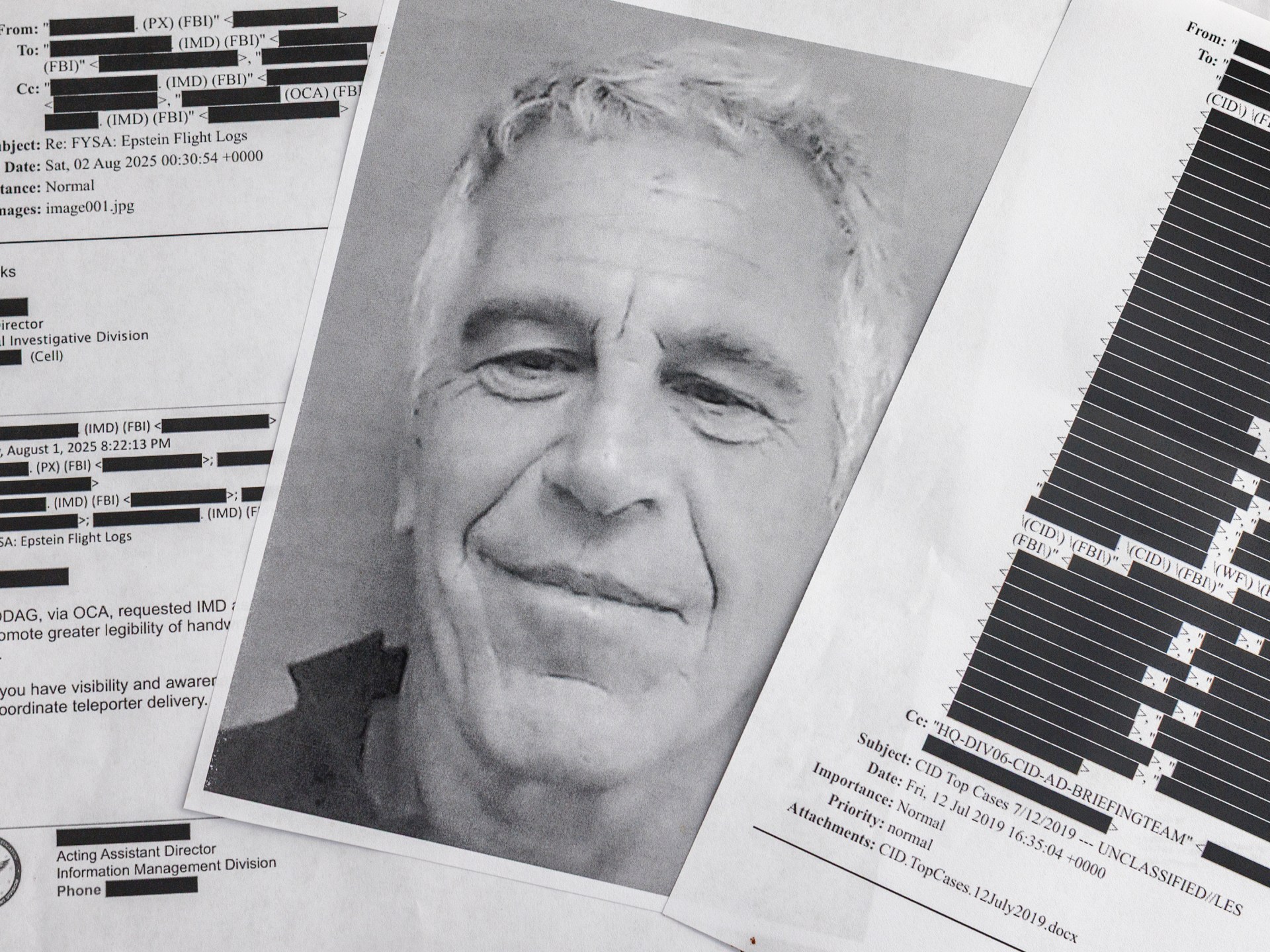
A new report by a trio of experts has challenged the official narrative surrounding the death of convicted sex offender Jeffrey Epstein, who was found dead in his jail cell in 2019. The report alleges that the injuries found on Epstein's body were more consistent with homicidal strangulation rather than suicide, as initially determined by a medical examiner in the United States. Forensic scientist Michael Freeman, forensic pathologist Anders Eriksson, and cognitive scientist Itiel Dror contend that the pattern, distribution, and multitude of injuries on Epstein's body do not align with a suicidal hanging. Instead, they suggest that Epstein may have been first assaulted and then strangled, offering an alternative perspective to the 2019 medical examiner report.
The controversial circumstances surrounding Epstein's death have long sparked conspiracy theories, given his extensive network of high-profile connections in politics, industry, academia, and the arts. His associates included former U.S. presidents Bill Clinton and Donald Trump, leading to questions about potential cover-ups or willful ignorance regarding Epstein's criminal activities. In 2008, Epstein pleaded guilty to soliciting a minor for sex as part of a plea deal that resulted in a thirteen-month prison sentence. In 2019, he was arrested on federal charges of sex trafficking and was accused of sexually exploiting and abusing dozens of underage girls.
Epstein's brother, Mark, has long questioned the medical examiner's findings regarding his death. He granted Freeman, an Oregon-based forensic scientist, access to Epstein's death records. Freeman has previously consulted on cases where families have challenged law enforcement narratives about how someone died, including in high-profile cases like the murder of George Floyd. Eriksson, a Sweden-based forensic pathologist, and Dror, a cognitive scientist who studies biases in forensic science, worked alongside Freeman. They argue that political pressure likely played a significant role in the initial investigation of Epstein's death, as he was a well-known figure at the time. The trio of experts contends that several errors and omissions were made during the initial investigation, such as prison personnel failing to take photographs before moving Epstein's body and investigators not identifying the ligature around his neck. They also claim that some avenues of investigation went unexplored, including the refusal of the prison guard who found Epstein's body to be interviewed and the medical examiner who determined the case was a suicide being denied access to the prison. The experts further dispute the medical examiner's assessment of Epstein's injuries, pointing out inconsistencies in the marks left by the ligature on his neck and the presence of bruising on his back, shoulder, and neck that were not acknowledged in the original statements. They claim these injuries are most consistent with homicidal strangulation from behind, likely using a narrow knotted fabric ligature. The experts believe either that the prison guard who found Epstein was lying about finding his body hanging or that the body was deliberately positioned to make it appear as though a suicide had occurred.