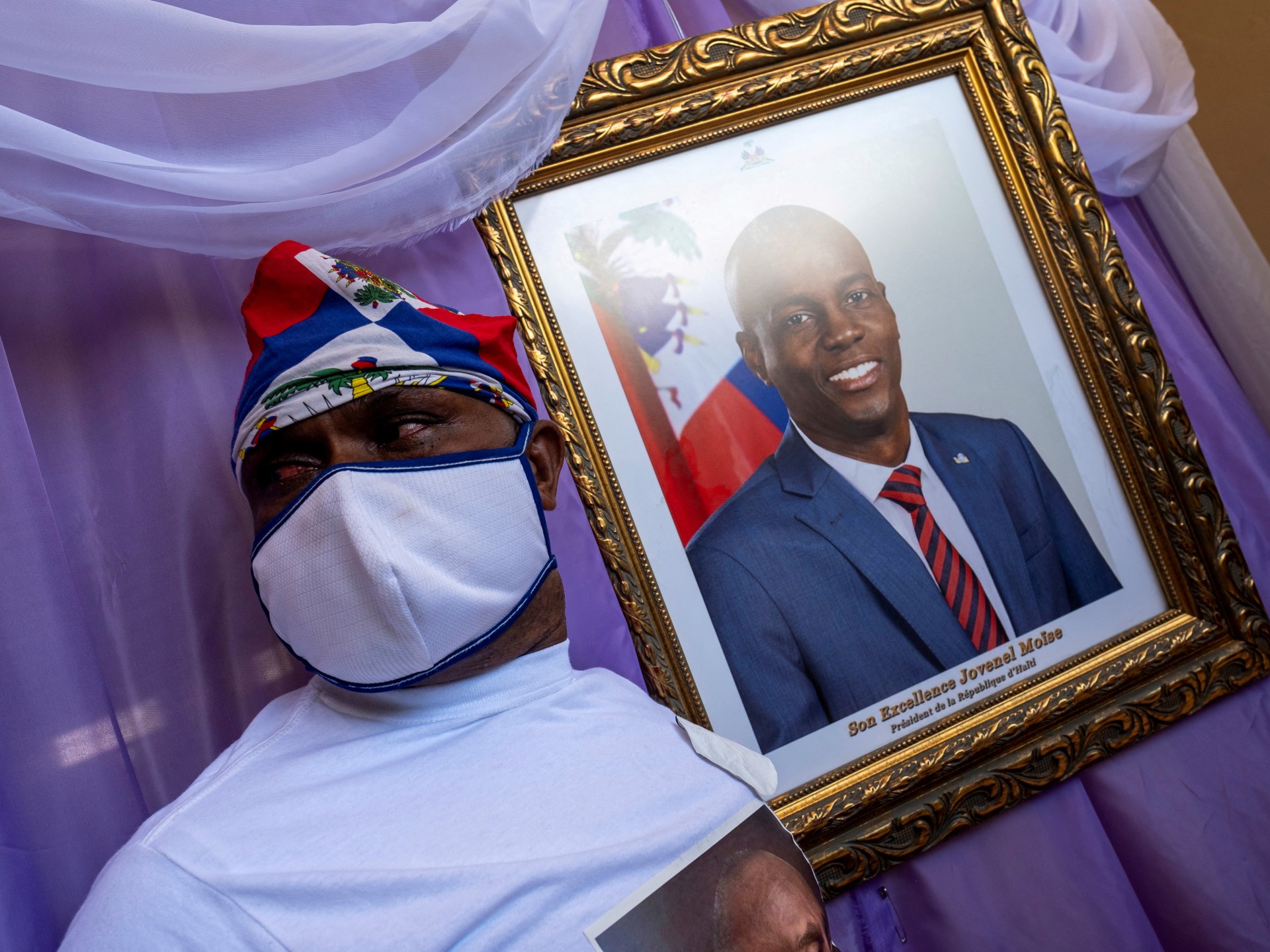
A Florida-based pastor with dual Haitian-American citizenship has been convicted on charges related to the assassination of Haitian President Jovenel Moise, following an eight-week trial in a federal court in Miami. Christian Emmanuel Sanon, 68, was found guilty of conspiring to kill the Caribbean nation's president and other related crimes. Prosecutors alleged that the scheme involved paying foreign mercenaries with funds obtained from US government programs intended for COVID-19 pandemic relief. South Florida reportedly served as a hub for planning and financing the plot to oust President Moise and install a leader of the conspirators' choosing, although Sanon testified that he was only in communication with those trying to replace Moise at one point, and the group had moved on to another candidate before the assassination. The trial saw key witness Martine Moise, the president's widow, who sustained bullet wounds during the attack, testify. She has now registered as a presidential candidate for Haiti's 2027 general election, marking the first in over a decade. Sanon remains in federal custody and faces up to life imprisonment, with sentencing scheduled for February 10. His attorney plans to file an appeal at an appropriate time. US prosecutors have charged more than 40 individuals in connection to the assassination, with more than a dozen convicted so far. Several other key figures, including Joseph Felix Badio, a former government anti-corruption official, and 17 Colombian former soldiers, still face trial. Haiti has been without a president since Moise's death, which was allegedly carried out by a squad of mostly retired Colombian soldiers impersonating US Drug Enforcement Administration agents in a night-time raid on the president's home outside Port-au-Prince. The ensuing power vacuum has led to armed gang violence, causing economic, security, and humanitarian crises that have forced nearly 1.5 million people to flee their homes, according to the United Nations.
In a significant development concerning the assassination of Haitian President Jovenel Moise, a Florida-based pastor with dual Haitian-American citizenship has been found guilty on charges related to the crime. The verdict came following an eight-week trial in a federal court in Miami. Christian Emmanuel Sanon, 68, was convicted of conspiring to kill President Moise and other related crimes. According to prosecutors, the plot involved the use of funds obtained from US government programs intended for COVID-19 pandemic relief to pay foreign mercenaries, with South Florida serving as a hub for planning and financing the operation. The trial saw key witness Martine Moise, the president's widow, testify. She has now registered as a presidential candidate for Haiti's 2027 general election. Sanon remains in federal custody and faces up to life imprisonment, with sentencing scheduled for February 10. His attorney plans to file an appeal at an appropriate time. US prosecutors have charged more than 40 individuals in connection to the assassination, with more than a dozen convicted so far. Several other key figures still face trial. The assassination took place on July 7, 2021, when President Moise was shot dead in his home outside Port-au-Prince. The ensuing power vacuum has led to armed gang violence, causing economic, security, and humanitarian crises that have forced nearly 1.5 million people to flee their homes, according to the United Nations.
A Florida pastor with dual Haitian-American citizenship has been convicted on charges related to the assassination of Haitian President Jovenel Moise, following an eight-week trial in a federal court in Miami. Christian Emmanuel Sanon, 68, was found guilty of conspiring to kill President Moise and other related crimes. The plot allegedly involved paying foreign mercenaries with funds obtained from US government programs intended for COVID-19 pandemic relief, with South Florida serving as a hub for planning and financing the operation. Sanon testified that he was only in communication with those trying to replace Moise at one point, and the group had moved on to another candidate before the assassination. The trial saw key witness Martine Moise, the president's widow, testify. She has now registered as a presidential candidate for Haiti's 2027 general election. Sanon remains in federal custody and faces up to life imprisonment, with sentencing scheduled for February 10. His attorney plans to file an appeal at an appropriate time. US prosecutors have charged more than 40 individuals in connection to the assassination, with more than a dozen convicted so far. Several other key figures still face trial. The assassination took place on July 7, 2021, when President Moise was shot dead in his home outside Port-au-Prince. The ensuing power vacuum has led to armed gang violence, causing economic, security, and humanitarian crises that have forced nearly 1.5 million people to flee their homes, according to the United Nations.