Global Strategy Shifts Across the Middle East: Israel Rejects Gaza Deal, Iran and Oman Negotiate Strait of Hormuz, and Yemen Faces Continued Conflict
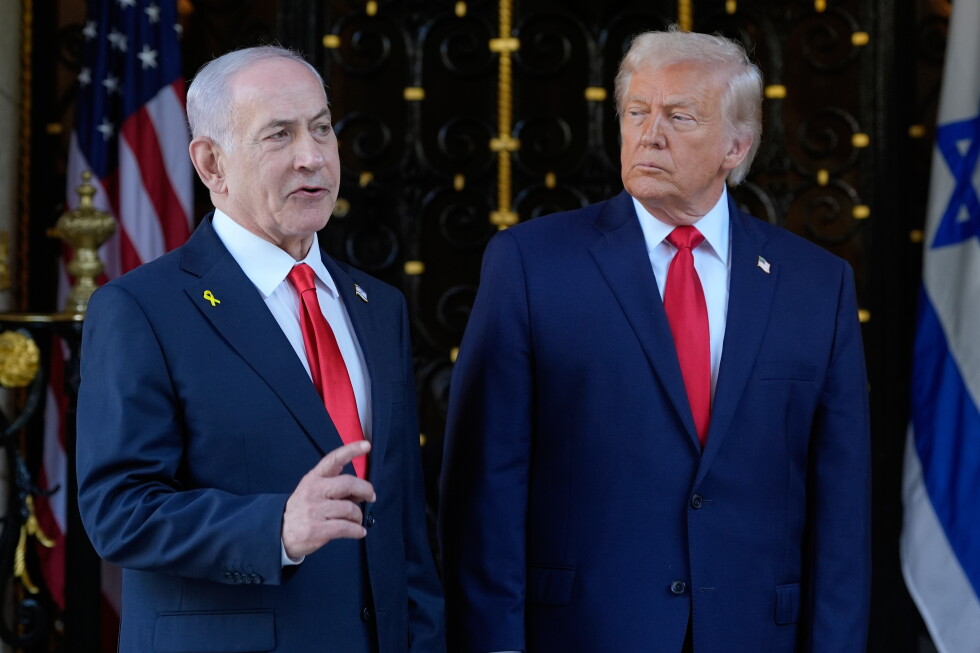
In a significant turn of events across the Middle East, Israeli Prime Minister Benjamin Netanyahu dismissed the deal on Gaza announced by U.S.
More stories
Oxford University Returns Ancestral Naga Remains to India for a Joint Memorial and Burial Ceremony
In a historic moment, the University of Oxford has returned the remains of 39 individuals from the Naga community, who were taken during British colonial rule in India. A delegation of approximately 3
Tragic Explosion in Oviedo Claims Life of Police Officer and Injures Another, Suspect at Large
A heartbreaking incident unfolded in the northern Spanish city of Oviedo yesterday morning when a police officer lost his life and another was severely injured in an explosion. The event took place as
Global Energy Superpowers' Tug-of-War: Implications for Household Energy Bills and Climate Change
A battle between the world's two energy superpowers, the US and China, is unfolding on a global scale, with significant implications for household energy bills and climate change. The soaring oil and
World Cruise Vessel 'The Odyssey' Seized in Singapore Amidst Financial Crisis
The global voyage of the luxury cruise ship, The Odyssey, has been abruptly halted after its US-based operator, Villa Vie Residences, encountered a severe financial crisis. Launched from Belfast in Oc
Honduran Court Delays Verdict in Sex-Trafficking Case Linked to Angie Pena's Disappearance
In a case reminiscent of the Jeffrey Epstein scandal, a court in Honduras has postponed a verdict on a sex-trafficking trial linked to the 2022 disappearance of Angie Pena. The delayed decision comes
Global Powers Convene for Pivotal Peace Talks on Ukraine Conflict Amid Claims of Battlefield Advancements and Territorial Flexibility
Representatives from Russia, Ukraine, and the United States are set to convene in Abu Dhabi for peace talks brokered by the U.S., with Ukrainian President Volodymyr Zelenskyy asserting that recent bat