Global Trade Tensions Escalate as Canada Announces Countermeasures Against U.S. Tariffs
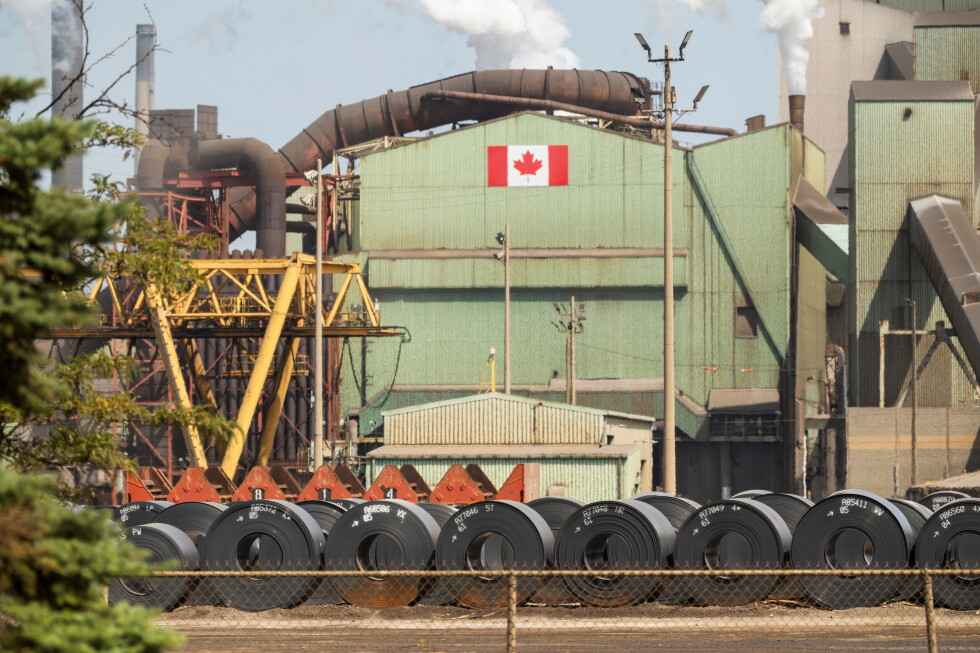
In response to a sharp deterioration in relations between the two nations, Canada is set to announce retaliatory tariffs against the United States on Tuesday.
More stories
Palestinian Boy Shot Dead by Israeli Forces in West Bank, Health Ministry Confirms
In a troubling turn of events in the occupied West Bank, a 14-year-old Palestinian boy named Moataz Daghlas lost his life after being shot by Israeli forces during an operation. The incident occurred
14-Year-Old Palestinian Boy Fatally Shot by Israeli Forces During West Bank Raid
In an escalating series of incidents, Israeli military forces have reportedly shot and killed a 14-year-old Palestinian boy named Moataz Iyad Daghlas in the village of Burqa, located near Nablus in th
Israeli Far-right Lawmaker Damages Palestinian Memorial in West Bank Incident
A controversial Israeli lawmaker, Zvi Sukkot, a member of the far-right Religious Zionism party, has faced widespread condemnation after damaging a Palestinian memorial in the occupied West Bank. The
Global Financial System Opens Door for Syria's Economic Recovery Following Lifting of US Sanctions
The United States' decision to remove Syria from its list of state sponsors of terrorism has paved the way for Syria to reconnect with the global financial system, offering a much-needed economic boos
Brazil Imposes $30 Million Fine on ByteDance for Child Data Privacy Breaches on TikTok
In a significant move against tech giants, Brazil's data protection authority has levied a fine of approximately $30 million on TikTok's parent company, ByteDance. The penalty was imposed due to alleg
Canada Imposes Reciprocal Tariffs on US Goods Worth C$28bn Following Breakdown in Trade Talks
In response to the recent imposition of tariffs by the Trump administration on Canadian goods, Canada has announced counter-tariffs on various American products worth nearly C$28 billion. These new ta