In a landmark case that could set a significant precedent in international law, the International Court of Justice (ICJ) is poised to deliver its judgment on Thursday regarding allegations of genocide against Myanmar over the 2017 Rohingya massacres. This would be the first time a state faces such a verdict at an international court for committing genocide. The case was brought forward by The Gambia, alleging that Myanmar's military campaign in Rakhine State amounted to genocide against the Rohingya population.
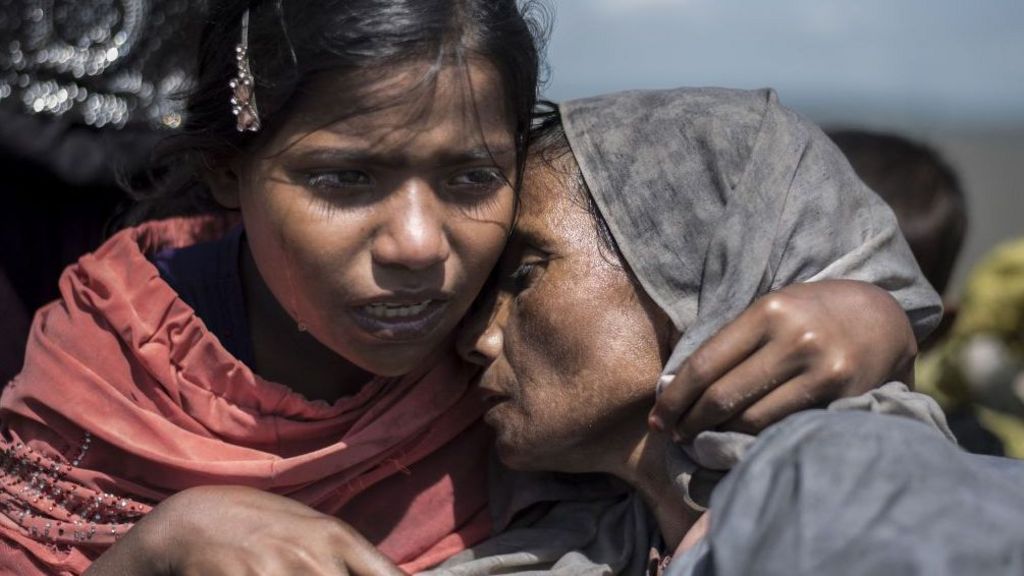
The Rohingya exodus in 2017 marked a brutal military operation characterized by widespread killing, torture, and mass rape, as well as the deliberate burning of Rohingya villages. These atrocities have been extensively documented by human rights groups and a United Nations fact-finding mission. Myanmar authorities, however, deny accusations of ethnic cleansing or genocide, claiming they were responding to terrorist actions by Rohingya militants with military "clearance operations."
The ICJ was established in 1945 to settle disputes between states and not to try international crimes. However, it was chosen to address the attacks on Rohingyas in Myanmar due to the lack of other avenues for victims to seek justice. The case has gained attention due to the involvement of Nobel laureate Aung San Suu Kyi, who initially led the legal defense of her country at The Hague, a decision that was widely criticized. Since being ousted in a coup in 2021 and placed under arrest, the defense has been handled by a new team appointed by the military.
Proving genocide is often challenging, with judges setting a high bar for such cases. Myanmar's lawyers and Aung San Suu Kyi argue that while war crimes may have been committed against the Rohingyas, this does not necessarily imply genocidal intent. However, The Gambia's legal team believes they have gathered enough evidence to meet this high bar. The world eagerly awaits the ICJ's verdict, which could significantly impact international law and the notion of state accountability for such crimes.