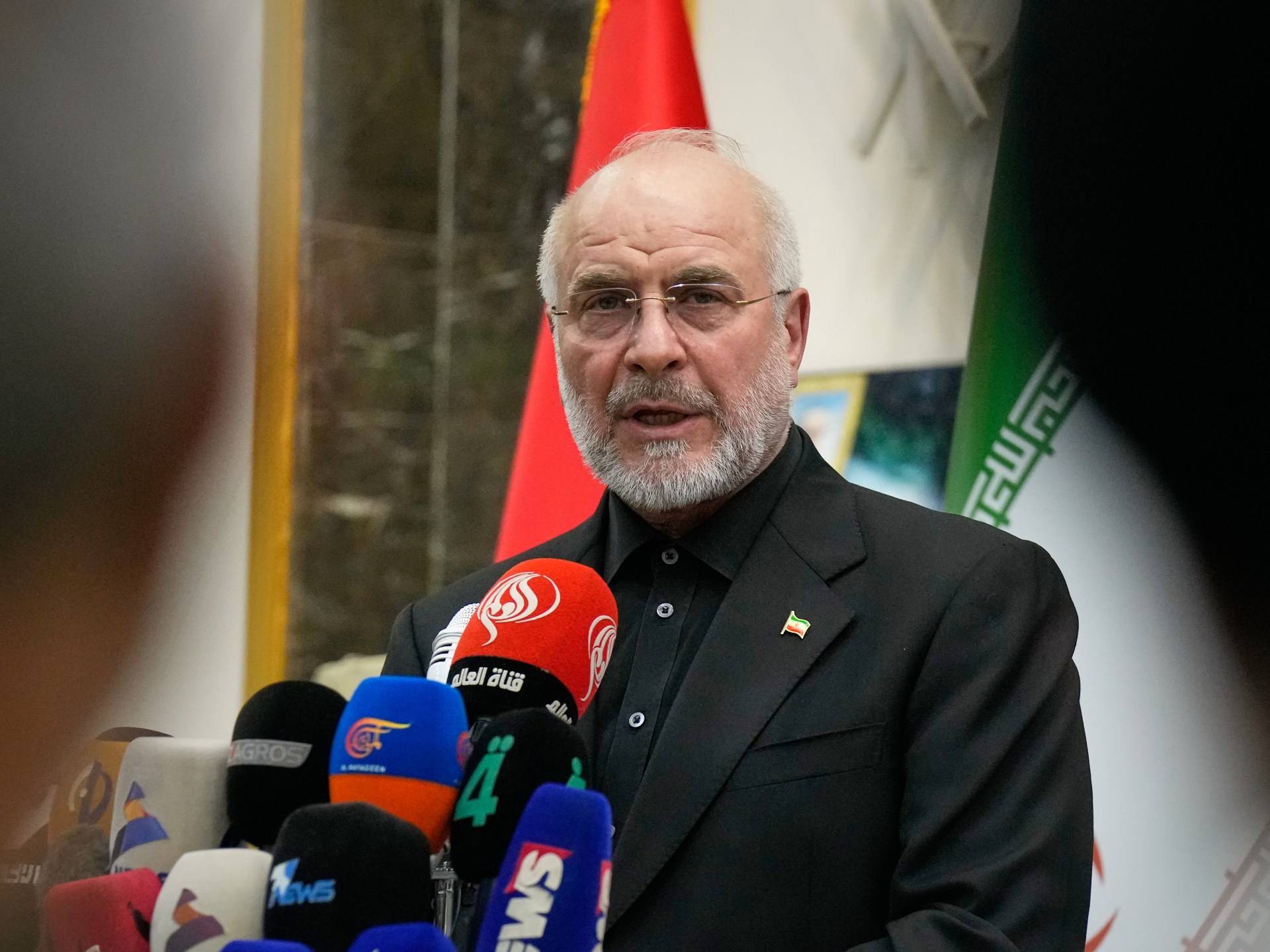
Iran's Parliament Speaker and chief negotiator, Mohammad Bagher Ghalibaf, has asserted in an exclusive interview with Al Jazeera that the Strait of Hormuz will not revert to its pre-war condition. The critical waterway is now under Iranian and Omani oversight as part of Tehran's seven-point proposal aimed at ending eight months of conflict. Ghalibaf explained that international maritime laws do not apply to the Strait, with regulations being governed by the coastal states. He revealed that Iran has presented its conditions for peace talks to the US through a Qatari mediator, waiting for an official response. The conditions include lifting naval blockades and sanctions, releasing frozen funds, halting all hostilities, and an explicit declaration of peace. Ghalibaf stated that these demands are based on the Islamabad memorandum of understanding signed in June and their implementation is essential before any negotiations with the US can commence. He emphasized that distrust towards the United States remains a significant barrier to reaching an agreement.
US officials have reportedly sought Russian President Vladimir Putin's mediation for direct negotiations with Tehran during a recent visit to Moscow. Ghalibaf cautioned against new US attacks on Iran, predicting that President Donald Trump would face additional political pressure from the incoming Congress in January. He underscored Iran's determination to move beyond a state of "no war and no peace," emphasizing the need for sustainable deterrent capabilities, including military might.
Regarding the ongoing conflict in Yemen between the Saudi-backed government forces and the Houthis, Ghalibaf advocated for non-interference. He suggested that if both parties requested Iranian assistance, Tehran would be willing to help resolve their dispute. In October, Iran had offered to facilitate talks between Saudi Arabia and Yemen's Houthi group following a series of deadly attacks on the kingdom.