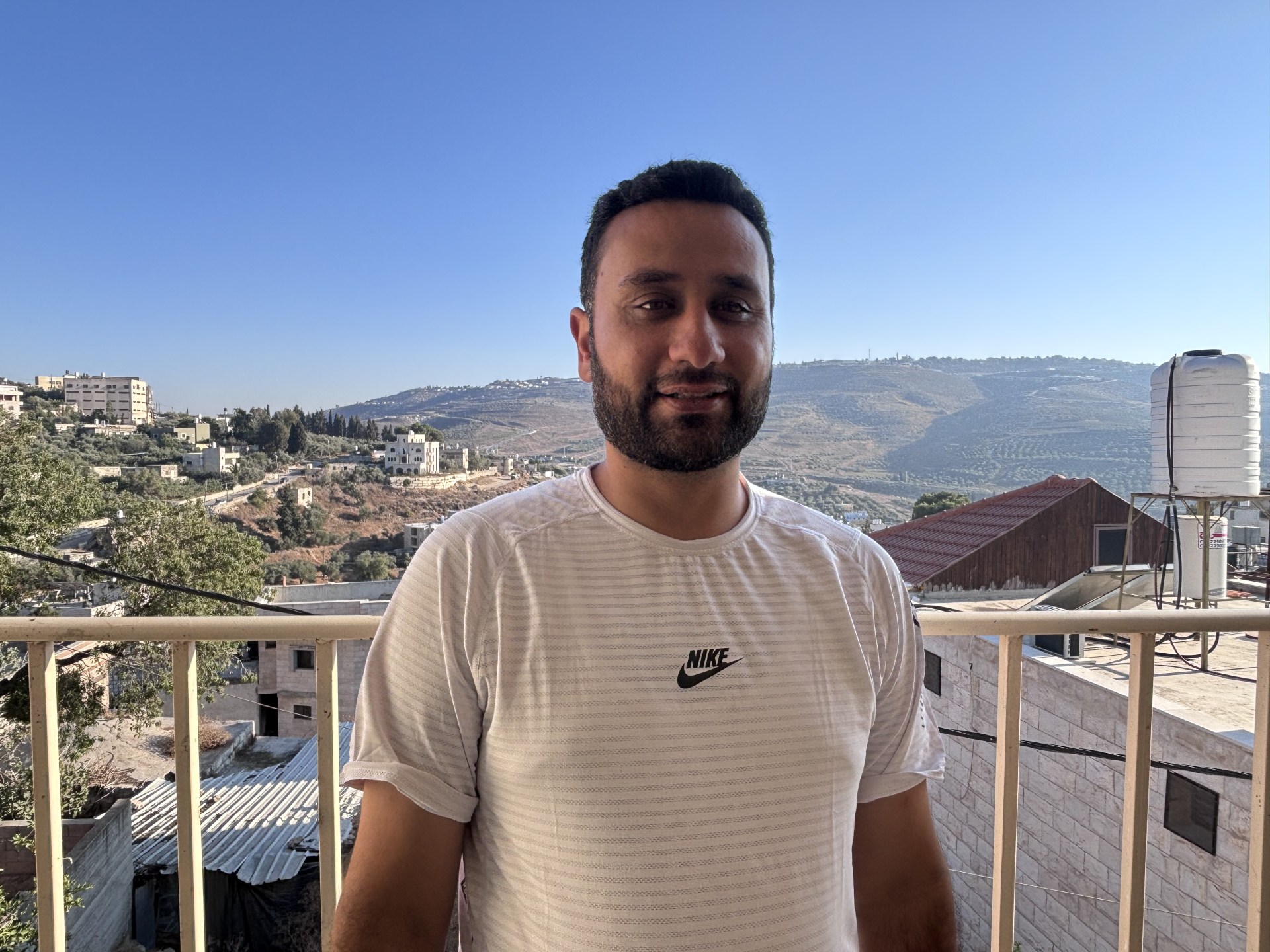
In a contentious decision, an Israeli military court has upheld a four-month administrative detention order against Palestinian land activist and farmer Ghassan Najjar. The arrest took place during a pre-dawn raid on Burin village, south of Nablus, in the occupied West Bank on October 27. Since his detention, Najjar has been held without charge or trial. The Israeli authorities have not disclosed a reason for the arrest, which aligns with the nature of administrative detention. A long-standing human rights defender, Najjar has spent nearly a decade in Israeli prisons, much of it under administrative detention, and has been subjected to a travel ban since 2011. The Institute for Middle East Understanding reported that Najjar was arrested due to his intent to harvest olives on his land and his plans to assist other Palestinian farmers with their harvests. Israeli settler attacks during the olive harvest in the occupied West Bank have surged this year, exceeding last year's figures, prompting calls from the United Nations and international voices for Israel to ensure the safety of Palestinian farmers and grant them access to their land. Amnesty International has demanded Najjar's immediate release, accusing Israel of detaining him solely due to his peaceful activism during the olive harvest season in Burin. The family's concern for Najjar's wellbeing is heightened by reports of cruel methods used by Israeli occupation forces to torture Palestinian prisoners both physically and psychologically. Amnesty International has urged states with leverage to pressure Israel to release Najjar and end their use of administrative detention, which they claim plays a significant role in legitimizing and maintaining Israel's system of apartheid and unlawful occupation.
---
SUMMARY (CONTINUED):
Ghassan Najjar, a Palestinian land activist and farmer, faces an extended period of administrative detention following the Israeli military court's upholding of his four-month detention order. His arrest occurred on October 27 during a pre-dawn raid in Burin village, south of Nablus, in the occupied West Bank. The Israeli authorities have not provided any reasons for Najjar's arrest, as administrative detention allows them to detain individuals without charge or trial. Since his detention, Najjar has been held in Ofer Prison and is set to remain there until at least February 26, with the possibility of an extension. The Palestinian human rights defender and grassroots organizer has a history of arrests, having spent almost a decade in Israeli prisons, much of it under administrative detention. He has been subjected to a travel ban since 2011.
---
SUMMARY (CONTINUED):
The olive harvest in the occupied West Bank is a significant target for pogroms by Israeli settlers. During this year's harvest, attacks have surged and already exceed last year's figures. The United Nations and international voices have long urged Israel to ensure the safety of Palestinian farmers and guarantee their access to their land. In Najjar's case, he was arrested because he intended to harvest olives on his land and planned to help other Palestinian farmers do the same. Amnesty International has demanded his immediate release, accusing Israel of detaining him solely due to his peaceful activism during the olive harvest season in Burin. The rights group claims that Najjar's arrest is part of a discriminatory justice system that legitimizes and maintains Israel's system of apartheid and unlawful occupation. Amnesty International has also called on states with leverage to pressure Israel to release Najjar and end their use of administrative detention.
---
SUMMARY (CONTINUED):
The family of Ghassan Najjar is deeply concerned about his wellbeing, as they are not allowed to visit or even see him. They are aware of the cruel methods used by Israeli occupation forces to torture Palestinian prisoners both physically and psychologically. Amnesty International has also expressed concern for Najjar's safety and wellbeing. In a statement released earlier this month, Amnesty called on states with influence over Israel to pressure the authorities into releasing Najjar and ending their use of administrative detention. According to Amnesty, Palestinian human rights defenders like Najjar are being hounded by a discriminatory justice system that plays a key role in legitimizing and maintaining Israel's system of apartheid and unlawful occupation. The family and Amnesty International hope that international pressure will lead to Najjar's release and an end to the use of administrative detention, which they claim is a fundamental violation of human rights.