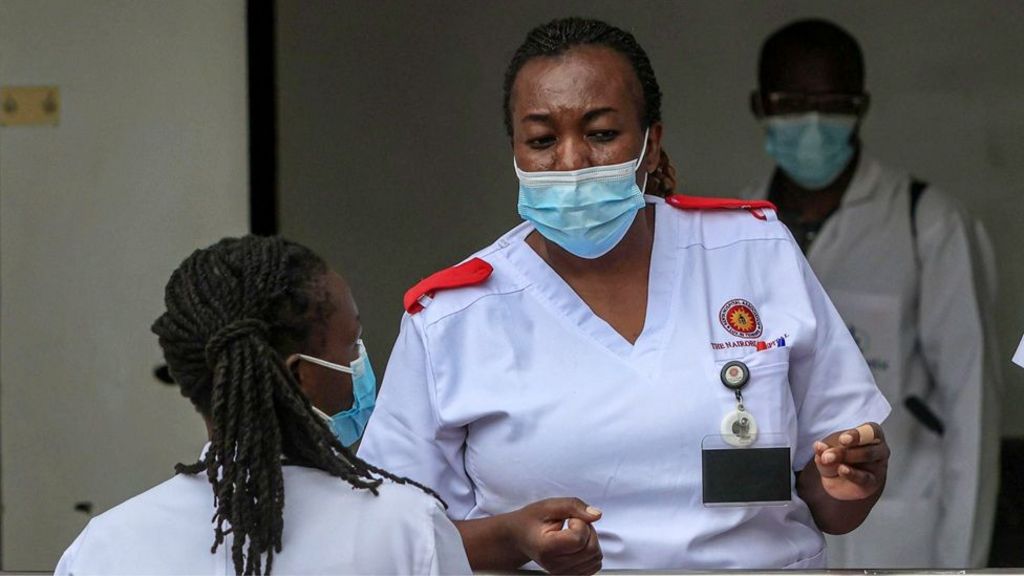
Kenya has made significant strides in its battle against the Ebola virus, discharging its last patient who had contracted the disease. This development marks a crucial milestone in Kenya's efforts to contain the outbreak, initiating a 42-day countdown towards being officially declared Ebola-free. The first case was confirmed in early October, following the death of a Kenyan businessman who had returned from the Democratic Republic of Congo (DRC), where an ongoing Ebola outbreak has claimed over 5,000 lives since May. His mother also succumbed to the virus. The Kenyan health minister reported that all identified contacts of infected patients have completed their isolation period, and no new cases have been recorded since October 20. Health officials attribute this success to stringent surveillance measures at border crossings, airports, health facilities, and communities, as well as supervised quarantine for returning Kenyans from Ebola-affected areas. The Africa Centres for Disease Control and Prevention (Africa CDC) commended Kenya's efforts, emphasizing the need for continued vigilance until the outbreak is officially declared over.
The Ebola virus is transmitted through contact with infected bodily fluids such as blood or vomit, and its incubation period ranges from two to 21 days. Despite the progress, Kenya will maintain heightened surveillance during the 42-day countdown, keeping emergency response teams on standby across the country and monitoring travellers arriving from affected countries. The WHO guidelines stipulate that an outbreak can be declared over only after 42 days have passed since the last patient tests negative or is safely buried.
Some countries had imposed travel and visa restrictions due to the outbreak, but Kenya has maintained that there is no need for such measures within its borders. In May, a Kenyan court suspended US plans to open an Ebola quarantine facility for American citizens, and the government has expressed disapproval of serving as a quarantine center for other countries. International travel has been disrupted due to restrictions introduced by some Gulf countries affecting travellers from Kenya and other African nations. However, the United Arab Emirates (UAE) has announced the lifting of its suspension on issuing new visas to Ugandan nationals, with certain exceptions.
The current outbreak in the DRC is caused by the Bundibugyo species of Ebola, which is relatively rare and does not have an approved vaccine or treatment, though trials are ongoing. As Kenya moves closer to being declared Ebola-free, it serves as a testament to effective disease containment efforts in Africa and the importance of global cooperation in managing public health crises.