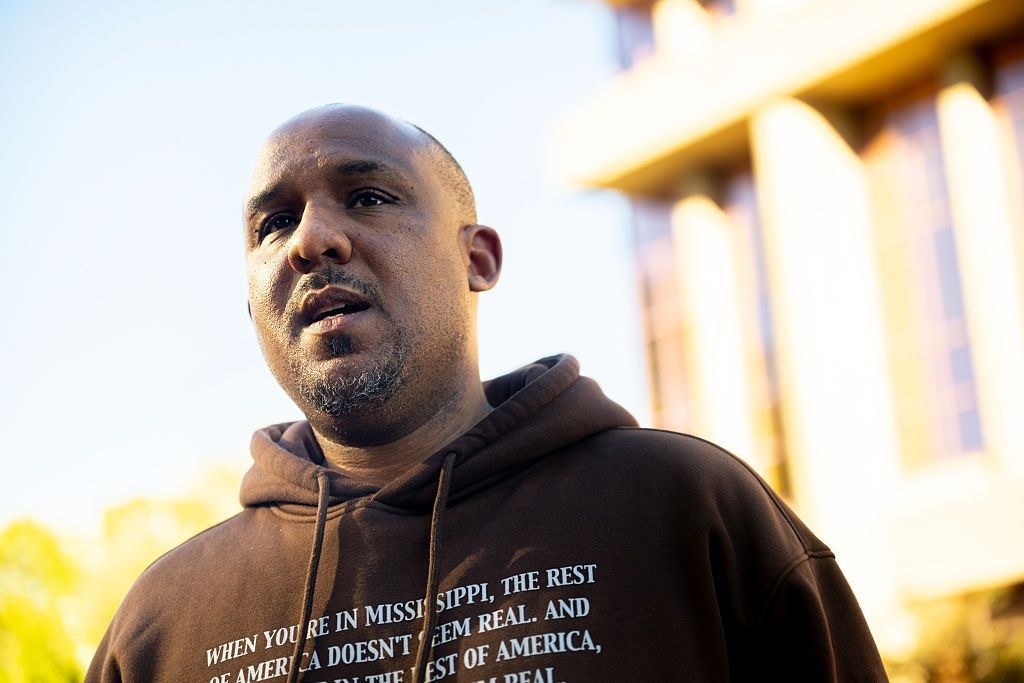
A week after the US midterm elections, the nail-biting race for Mississippi's Senate seat is nearing its conclusion, with Democrat Scott Colom holding a slender lead of approximately 2,500 votes over incumbent Cindy Hyde-Smith. If successful, Colom would become the first black senator in Mississippi since the Reconstruction era and contribute to a strengthened Democratic majority-elect in the Senate, currently standing at 55 seats, pending the outcome of Alaska's closely contested race. The tight margin between the candidates has defied expectations in a traditionally conservative state that voted overwhelmingly for President Donald Trump in 2020. Mississippi law mandates certification of results by this Friday, but thousands of postal and affidavit ballots remain uncounted. These provisional ballots were cast due to discrepancies on Election Day, such as lacking proper identification, and their resolution could potentially tip the balance in the race. A Colom victory would mark an end to a Republican winning streak in Mississippi that dates back to 1982 and add to a string of Democratic successes nationally this election cycle.
As the sun sets on Jackson State University, a historically black college, students express hope and excitement for a potential Colom win, many voting for the first time in their lives. If elected, Colom would make history as Mississippi's first black senator since Reconstruction. In Brookhaven, a town where Hyde-Smith was born and Trump won 72% of votes two years ago, party loyalty remains strong, but concerns about the cost of living persist, with few pointing fingers at the incumbent or the president. The race in Mississippi has been unexpectedly close, as Colom appears to have capitalized on national resentment against Republicans, especially in light of economic hardships allegedly caused by Trump's tariffs and the war with Iran. The Republican campaign accused Colom of being a puppet for billionaire liberal donor George Soros, while Hyde-Smith was criticized for her support of Trump's tariffs and perceived lack of engagement on the campaign trail.