Unprecedented Wildfires Ravage Western US, Prompting Emergency Declarations and Fireworks Bans
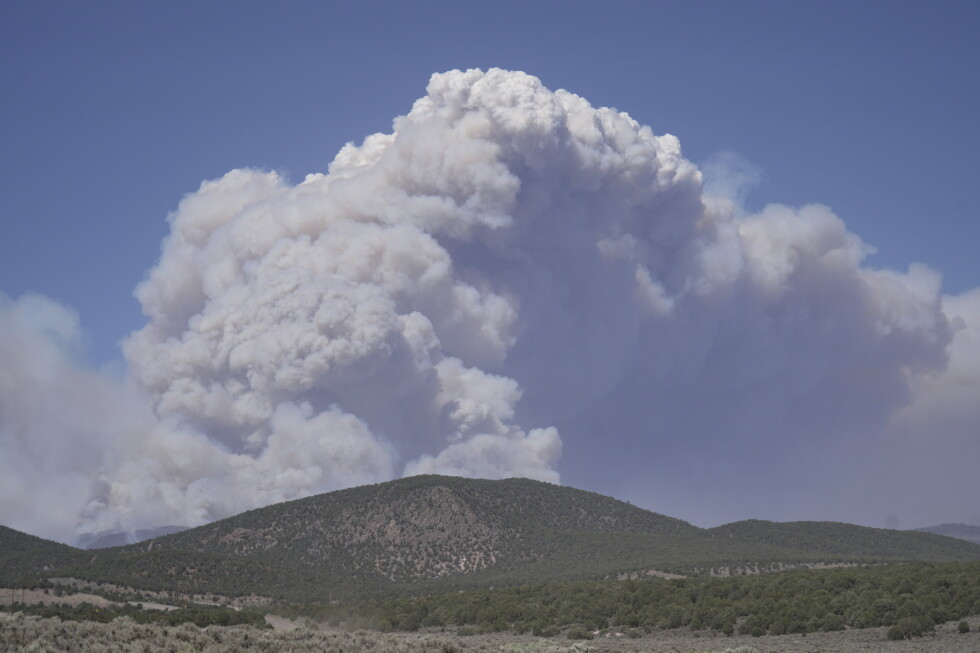
A relentless onslaught of extreme weather conditions, marked by scorching heat, low humidity, and high winds, has ignited a series of devastating wildfires across the western United States.
More stories
Severe Smog Chokes New Delhi Amid Diwali Celebrations, Exacerbating Seasonal Pollution Crisis
The Indian capital, New Delhi, has been enveloped in dense smog following Diwali celebrations, which has significantly worsened the city's already precarious air quality. The festival of lights, celeb
Nevada's Third Wildfire in Two Weeks: Containment at 27%, Thousands Displaced and Injured, Reno Braces for Potential Flare-ups
A devastating wildfire in the Sierra Nevada foothills near Reno, Nevada has reached a containment rate of 27 percent. The blaze, known as the Hawk Fire, started on Saturday and has already destroyed a
Caste Discrimination Amplifies Water Crisis in India's Drought-Stricken Region
In the scorching heat of Bundelkhand, a semi-arid region spanning Uttar Pradesh and Madhya Pradesh, the struggle for water is intensifying caste divisions. 40-year-old Mamta from Jalaun district treks
Tragic Death of French Tourist in Record-Breaking Heatwave at Death Valley, USA
A heartbreaking incident unfolded in California's Death Valley National Park this week, where a 68-year-old French tourist named Pierre Michel Formosa lost his life after becoming stranded in his vehi
Indonesia Faces Escalating Wildfire Crisis, With Schools Closed and Cloud Seeding Underway Across the Country
Amidst escalating wildfires that have engulfed over 100,000 hectares (247,000 acres) of land, Indonesian authorities are racing against time to contain the blazes, which have resulted in the closure o
Europe Endures Scorching Heatwave, Threatening Agriculture and Wildlife Amidst Drought Conditions
Europe is once again gripped by a heatwave, with extreme temperatures forecast to reach mid-30s Celsius (mid-90 degrees Fahrenheit) in Britain and France this week. The prolonged hot and dry weather h