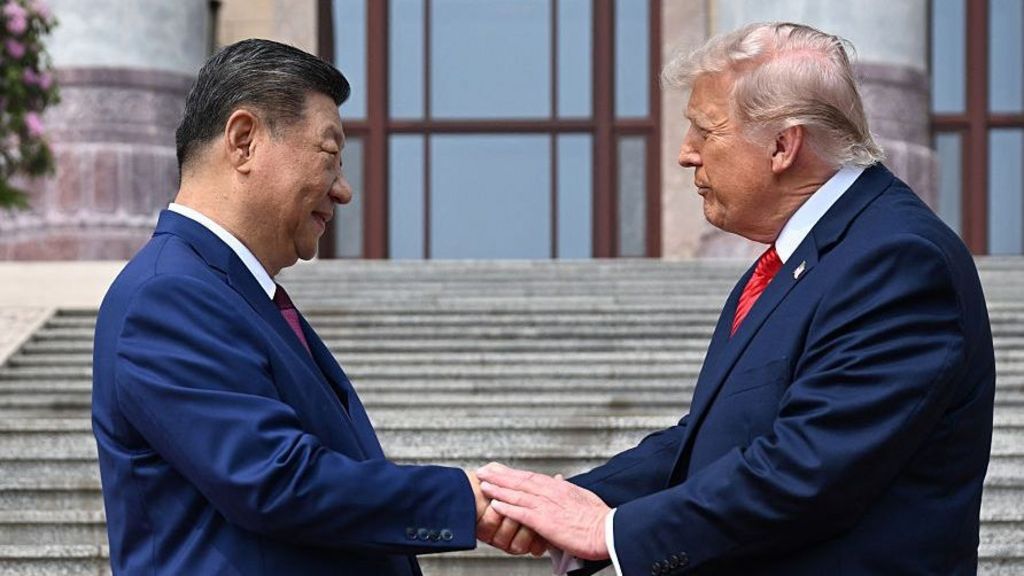
In a move aimed at curbing China's access to advanced semiconductors, the United States government has announced new interim rules that will increase scrutiny of data center operators in Singapore, Malaysia, Thailand, Indonesia, and Brazil. These restrictions not only limit the export of advanced chips but also access to their computing power, a resource heavily utilized by Chinese firms abroad for training artificial intelligence models. The new regulations will require a US government license for Chinese companies seeking to buy advanced chips from Nvidia or other American chipmakers, allowing Washington to monitor potential use by Chinese companies and prevent smuggling. This development poses a fresh challenge for Beijing, which is projected to rely on 30% of its advanced AI computing power from overseas sources by 2027. South East Asian countries, particularly those with significant investments in data centers, could be adversely affected as well, with allegations of certain firms assisting China in evading US export controls on advanced chips. Singaporean data center firm Megaspeed is among those under scrutiny, following reports of its alleged involvement in the illegal smuggling of chips to Chinese companies. The US Commerce Department considers Brazil and the four Southeast Asian nations as having a higher-than-normal risk of diverting these restricted chips to China. The new measures aim to prevent sensitive US technology from being circumvented through remote computing arrangements involving data centers in third countries. Impact on countries like Malaysia and Thailand, whose data center rollout has been driven by Chinese buyers, could be significant, according to international trade experts. However, the data center boom as a whole is unlikely to be derailed, with investment from major tech firms remaining relatively resilient. The new rules come ahead of US President Donald Trump's meeting with Chinese leader Xi Jinping in Shenzhen this week, highlighting the ongoing tension between the two nations regarding technology self-sufficiency and AI development.
SUMMARY (cont'd):
The new regulations, if implemented fully, could potentially hamper China's efforts to build powerful AI models, which are critical for its tech self-sufficiency goals. Chinese firms DeepSeek and MoonShot have reportedly closed the gap with US rivals like Anthropic and OpenAI, but the advanced chips from American chipmakers play a crucial role in this competition. The Institute for Progress estimates that top US AI models lead the best Chinese platforms by only about six and half months, despite US AI companies having significantly better compute access and financing. This development underscores the strategic importance of semiconductors in the global AI race and the ongoing geopolitical tensions surrounding technology trade.
SUMMARY (cont'd):
The Southeast Asian nations affected by these new rules have responded with varying degrees of concern and defiance. Singapore has expressed its intention to engage relevant US authorities to understand the new rules better and explore ways to facilitate trusted access for local firms. Malaysia, which welcomes data center investment but refuses to be used to circumvent export controls, is closely monitoring any potential developments regarding this measure. The Indonesian government has not yet issued a statement on the matter, while Thailand has maintained its commitment to attracting foreign investment in data centers, including from Chinese tech giants like Alibaba and Tencent. As the US-China technology rivalry continues to unfold, it remains to be seen how these new restrictions will impact the global semiconductor market and the AI ambitions of the involved nations.