WHO Reveals DRC's Ebola Outbreak Began Earlier Than Initially Declared
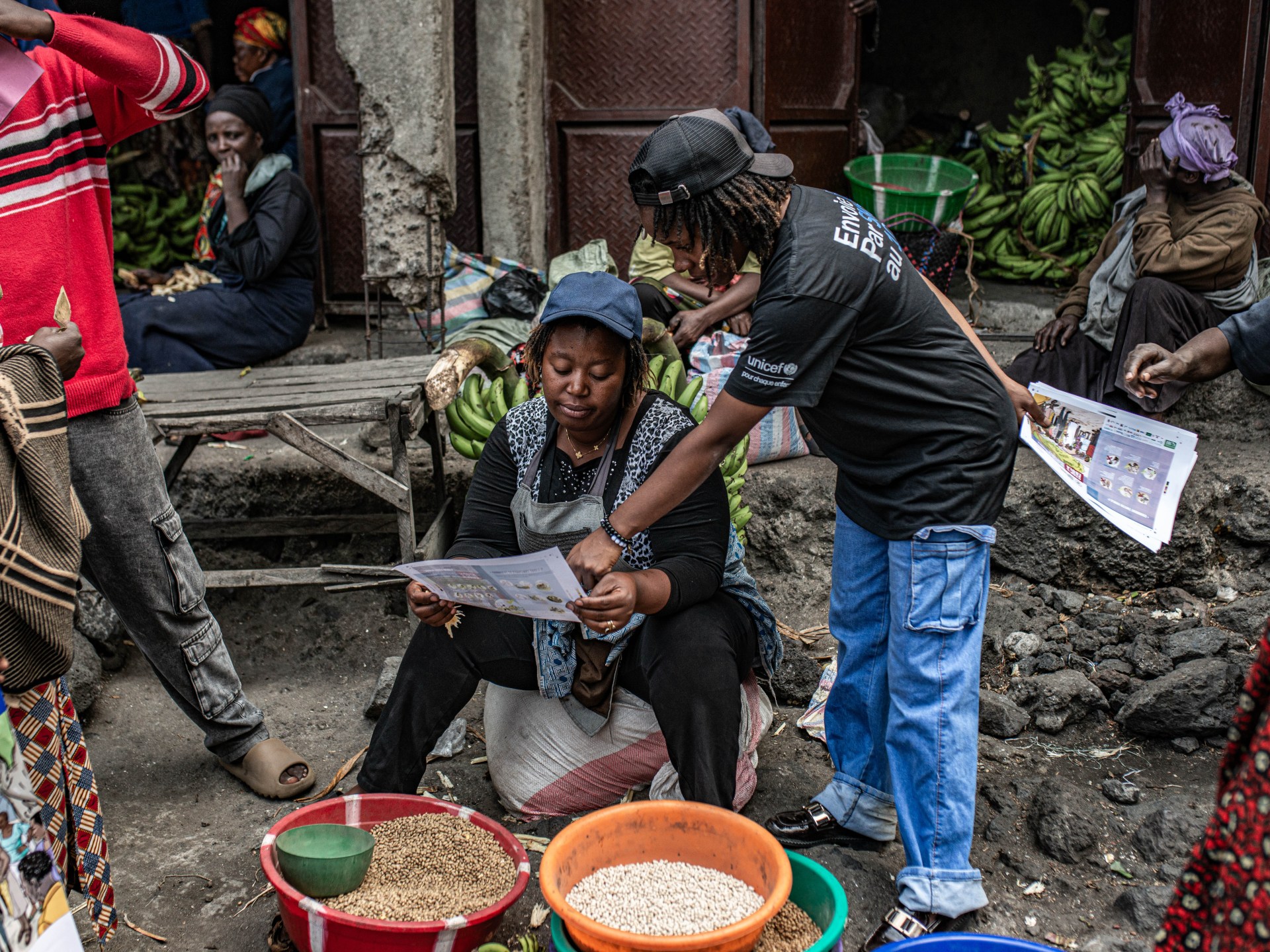
The World Health Organization (WHO) announced on Monday that the current Ebola outbreak in the Democratic Republic of Congo (DRC) actually began back in February, several months before it was…
More stories
French Court Recognizes Radiation as Factor in Flight Attendant's Cancer, Opening Door for Similar Claims
In a groundbreaking decision, a French court has officially acknowledged cosmic radiation as a contributing factor to the breast cancer diagnosis of former Air France flight attendant Sophie Lainault.
Tragedy Strikes Pakistan's Largest Public Hospital as Nursery Fire Claims 14 Newborn Lives
In a heart-wrenching incident, a fire broke out early Wednesday morning at the Pakistan Institute of Medical Sciences (PIMS) in Islamabad, Pakistan's largest public-sector hospital. The tragedy occurr
Tragedy Strikes Pakistan Hospital as Fire Claims Lives of Infants
A devastating incident has occurred at the Pakistan Institute of Medical Sciences (PIMS) Hospital in Islamabad, where a fire in the neonatal intensive care unit (NICU) has reportedly taken the lives o
Deadly Measles Outbreak Reclaims US Territory, Claiming Two Lives in Pennsylvania
In a concerning development, the United States has witnessed a resurgence of measles, with two fatalities reported in Pennsylvania. This marks the first such deaths from the previously eradicated dise
Deadly Measles Outbreak Persists Across the US: Two Lives Lost in Pennsylvania as Vaccination Rates Decline
A tragic development has unfolded in Pennsylvania, with two unvaccinated individuals losing their lives to measles - a highly contagious virus that has seen a resurgence across the United States. As o
Worsening Health of Norway's King Harald V Prompts Extended Hospital Stay and Regency by Crown Prince Haakon
King Harald V, the monarch of Norway who has reigned since 1991, finds himself in a critical health condition as he battles a bloodstream bacterial infection. The 89-year-old king is currently hospita