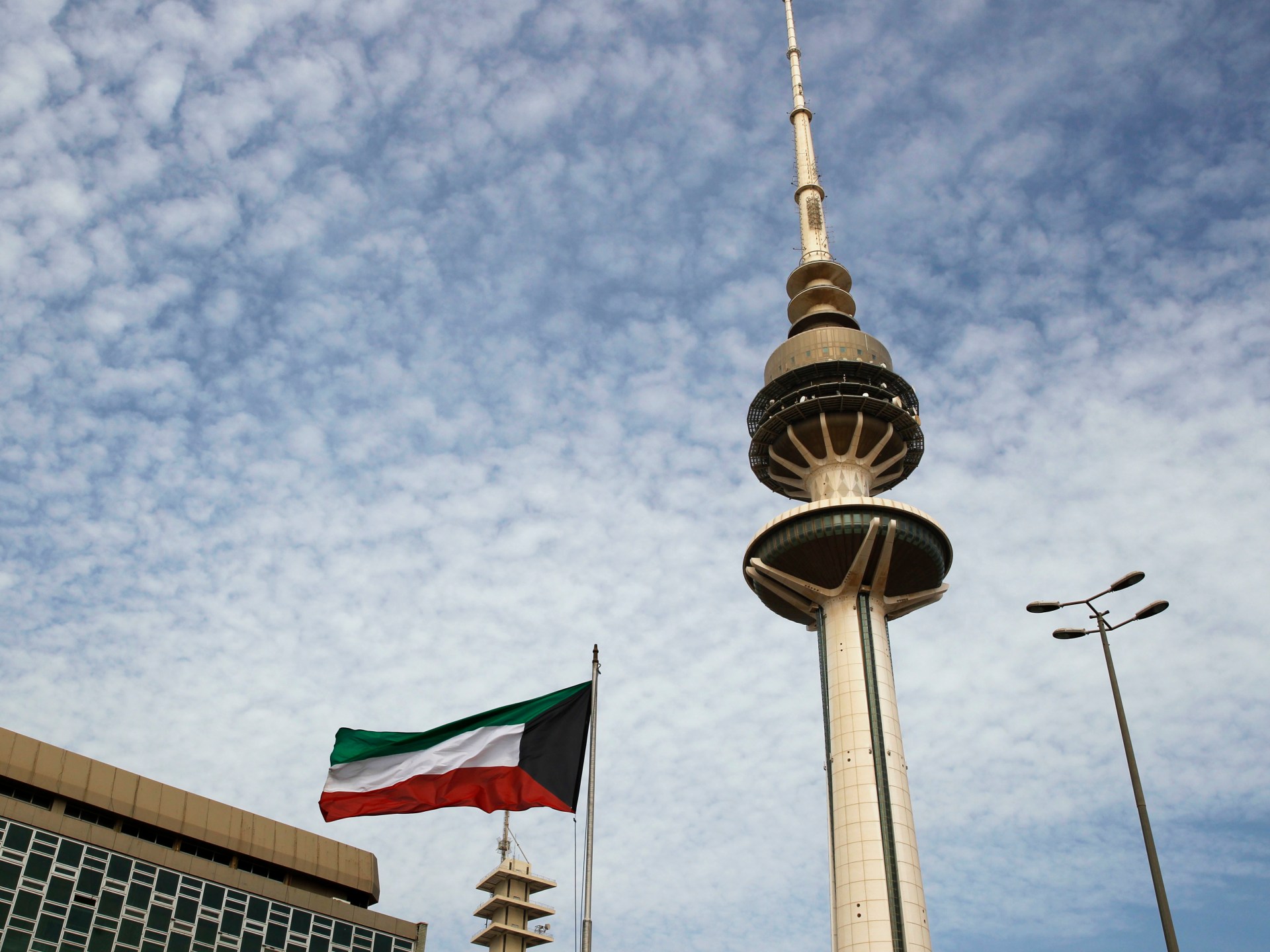
In a potential escalation of the ongoing Middle Eastern conflict, two Italian nationals working for a European defense company were killed in a drone attack on a military site in Kuwait. The incident has raised concerns about worsening relations between Iran and the European Union, with Tehran denying any involvement and accusing the US and Israel of attempting to draw Europe deeper into the conflict. Riccardo Alcaro, research coordinator at the Rome-based Istituto Affari Internazionali, suggests that if Iran is indeed responsible for the attack, it may be an attempt to degrade Kuwait's defense capabilities ahead of a potential confrontation with the US. Furthermore, state-aligned circles in Tehran have implicated Ukraine in the incident and redirected attention towards Europe's role in the war. This narrative follows an attack by Ukraine on Russian vessels in Libya, which has prompted anger and allegations of dragging the war into the Middle East theatre. The Italian Foreign Minister has confirmed that military installations were targeted in Kuwait, with the deaths of "technicians" caused by intercepted drone shrapnel. Iran's response to the incident has been ambiguous, with its Ministry of Foreign Affairs rejecting responsibility and suggesting that the incident may be a pre-planned recipe for war.
In a second narrative emerging from Tehran, Iran implicates Ukraine in the attack and redirects attention towards Europe’s role in the conflict. This comes after an attack by Ukraine on two Russian vessels in Libya, which has caused widespread anger and allegations of dragging the war into the Middle East theatre. Foad Izadi, a Tehran-based conservative political commentator, believes that Ukraine was responsible for a false flag operation and accuses European leaders of having the blood of the Iranian people on their hands for supporting US aircraft and operations.
The deaths could potentially become a sensitive issue in Europe if public opinion associates such incidents with the unpopular war launched by the United States and Israel. Countries whose companies operate as contractors at military bases in Kuwait, which has suffered a series of Iranian attacks in recent weeks, will also have to review security protocols for personnel working at sensitive sites. Weapon systems, such as the radar that the two Italian nationals were servicing, are highly complex and require continuous technical support, which can only be provided by specialized personnel. This exposes their personnel to these kinds of risks.
Relations between Iran and the EU have deteriorated in recent years over a range of issues, including Iran's contentious nuclear program and regional influence. The bloc has imposed many sanctions on Iran and considers the Islamic Revolutionary Guard Corps (IRGC), a major faction in the Iranian political and military establishment, a "terrorist" organization. Izadi does not expect relations to improve over the coming years but believes that the lingering conflict will only hurt European consumers who are now contending with considerably higher gas and other energy prices for winter.