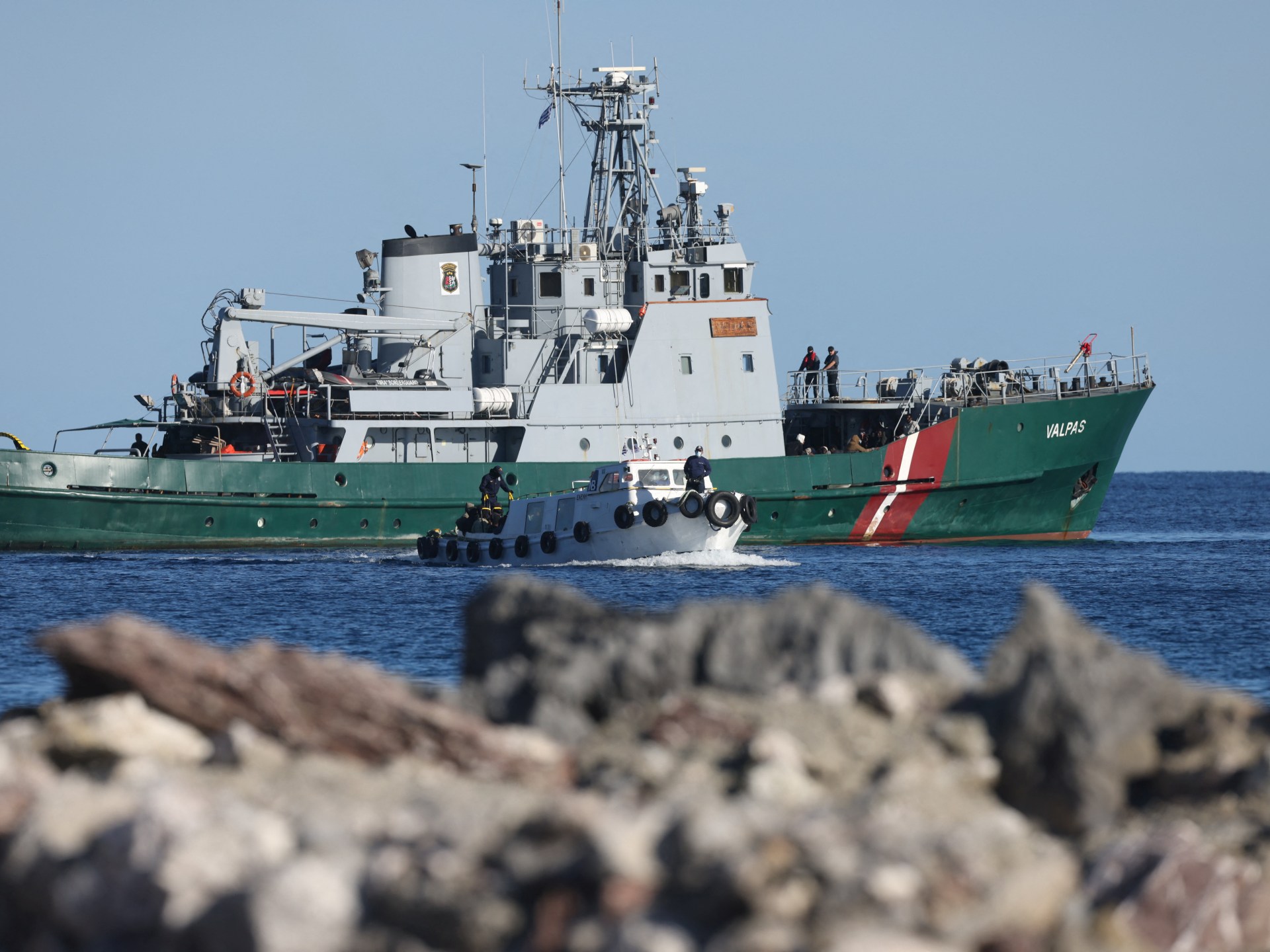
In a grim reminder of the ongoing migration crisis, approximately 1,000 migrants and refugees have successfully reached the Greek islands of Crete and Gavdos over a 48-hour period, according to coastguard reports. The Greek authorities, in collaboration with the European border agency Frontex, carried out numerous rescue operations between the early hours of Friday and Saturday afternoon. All these migrants are believed to have embarked from Libya. In a tragic turn of events, two bodies were recovered on Gavdos on Saturday. It is unclear at this point how they perished, but local media suggests that their boat may have struck rocks upon arrival. Forty-one other individuals were rescued during the same operation, with four requiring hospitalization for medical treatment. The coastguard also reported six rescue operations since Friday evening, during which 391 migrants and refugees were brought to safety. As darkness fell on Saturday evening, more arrivals were still being reported, with three boats carrying over 150 people found south of Crete. In another operation on Saturday, 102 migrants, including sixteen women and five minors, were transferred to the port of Heraklion, Crete's main city. The treacherous sea crossing from Libya to Greece's southern shores has emerged as one of the deadliest migration routes in the world. Since its Missing Migrants Project began in 2014, the International Organization for Migration (IOM) has recorded tens of thousands of migrant deaths and disappearances in the Mediterranean Sea. So far this year, 2,164 people have been recorded dead or missing in the Mediterranean, following 2,185 in 2025. Despite a decrease in recent years due to increased sea and border security measures as well as deportations, Greece remains a popular first point of arrival for migrants from African and Asian countries. However, recent surges in arrivals from North Africa have opened up a new southern route to Gavdos and Crete. Earlier this month, 22 bodies were discovered in two boats sailing from Libya to southern Greece.
In the latest chapter of the ongoing Mediterranean migration crisis, over a thousand migrants and refugees have reached the Greek islands of Crete and Gavdos in less than 48 hours. The Greek coastguard, alongside the European border agency Frontex, has been actively involved in rescuing these individuals from boats believed to have set sail from Libya. In a heartbreaking turn of events, two bodies were found on Gavdos Island on Saturday, though the circumstances surrounding their deaths remain unclear at this time. Forty-one others were rescued during the same operation, with four requiring hospitalization for medical treatment. The coastguard also reported six separate rescue operations since Friday evening, resulting in 391 individuals being brought to safety. As the sun sets on Saturday, more arrivals continue to be reported. In a similar operation on Saturday, 102 migrants, including sixteen women and five minors, were transferred to Heraklion, Crete's main city. This perilous sea journey from Libya has become one of the most frequently used and deadliest migration routes globally. Since its inception in 2014, the International Organization for Migration (IOM) has documented tens of thousands of migrant deaths and disappearances in the Mediterranean Sea. In 2026 alone, 2,164 people have been recorded as having perished or gone missing. Despite a decrease in recent years due to enhanced sea and border security measures and deportations, Greece remains a common destination for migrants from African and Asian countries. However, surges in arrivals from North Africa have recently emerged, creating a new southern route to Gavdos and Crete.
The ongoing Mediterranean migration crisis claimed two lives this weekend as over a thousand migrants and refugees reached the Greek islands of Crete and Gavdos. The Greek coastguard and the European border agency Frontex have been actively involved in the rescue efforts, saving hundreds of individuals from boats departing from Libya between Friday morning and Saturday afternoon. Two bodies were discovered on Gavdos Island on Saturday, with the circumstances surrounding their deaths still under investigation. Forty-one other individuals were rescued during the same operation, four of whom required hospitalization for medical treatment. Since Friday evening, six rescue operations have been conducted, resulting in 391 migrants and refugees being brought to safety. As the sun sets on Saturday, more arrivals continue to be reported. In a separate operation on Saturday, 102 migrants, including sixteen women and five minors, were transferred to Heraklion, Crete's main city. The treacherous sea crossing from Libya to Greece's southern shores has become one of the deadliest migration routes in the world. Since its Missing Migrants Project began in 2014, the International Organization for Migration (IOM) has recorded tens of thousands of migrant deaths and disappearances in the Mediterranean Sea. In 2026 alone, 2,164 people have been documented as having perished or vanished. Despite a decrease in recent years due to increased sea and border security measures and deportations, Greece continues to be a primary destination for migrants from African and Asian countries. However, the recent surge in arrivals from North Africa has created a new southern route to Gavdos and Crete.