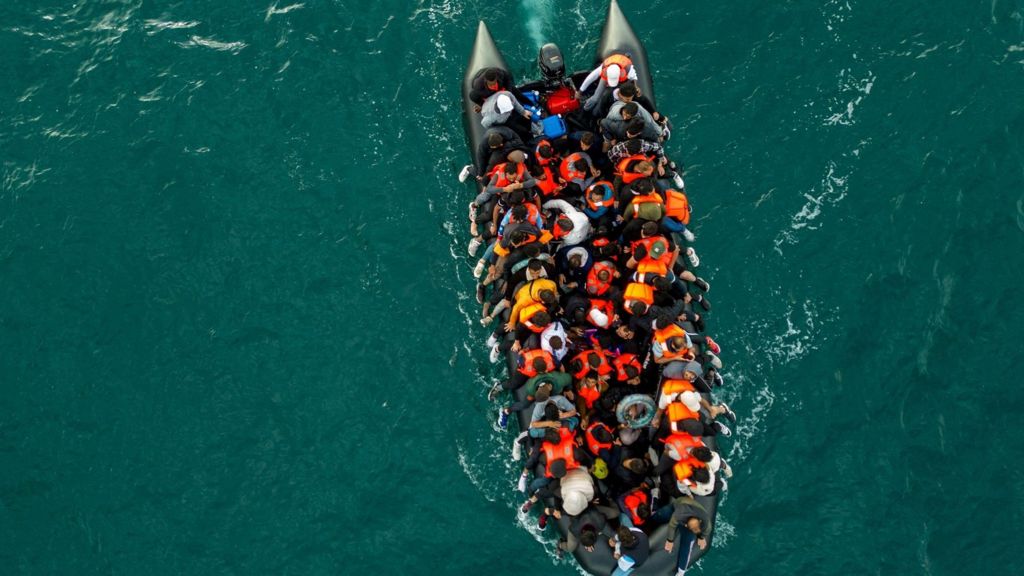
Five European Union (EU) member states - Germany, Denmark, Austria, Greece, and the Netherlands - have announced plans to open a migrant integration centre in Rwanda next year. This move is part of a broader strategy aimed at increasing deportations for failed asylum seekers within their borders. The centre, referred to as a "return hub," will be ready to accept transfers in 2027, according to statements from the Dutch and Danish governments. The scheme will cater to migrants residing illegally in these nations who are subject to deportation. Notably, the Netherlands has indicated that it will provide an alternative for deportees if they cannot be returned to their countries of origin. Once in Rwanda, individuals can choose to integrate into Rwandan society or return to their home countries. The deal is in line with EU and international law but faces criticism from human rights bodies for potential violations of migrant rights. This initiative follows a recent EU reform that allows for the creation of centers outside the bloc.
The five nations aim to alleviate pressure on European asylum systems and halt traffickers organizing perilous Mediterranean voyages. Initially, the hub is expected to run as a pilot, accommodating approximately 100 individuals, with each participating nation possibly sending around 20 migrants. The United Nations' International Organisation for Migration (IOM) could potentially play an ancillary role. With elections approaching in several EU nations, administrations are under pressure to demonstrate their ability to control migration.
Critics of the plan argue that choosing Rwanda raises concerns due to its history of repression, arbitrary detention, and ill-treatment in detention. Human rights organizations claim that funding this deportation program would finance a government responsible for serious human rights abuses at home and abroad, potentially causing harm to those being deported. The independent EU Agency for Fundamental Rights emphasizes the importance of third countries hosting return hubs respecting fundamental rights, including ensuring individuals are not sent to places where they face serious risk of persecution.
October 2026 saw a decrease of around 29% in irregular border crossings into the EU compared to the previous year, according to the European Border and Coast Guard Agency. However, there was a significant rise in arrivals on the Western African route to the Canary Islands during the same period, contributing to an increase in overall crossings compared to September 2026.