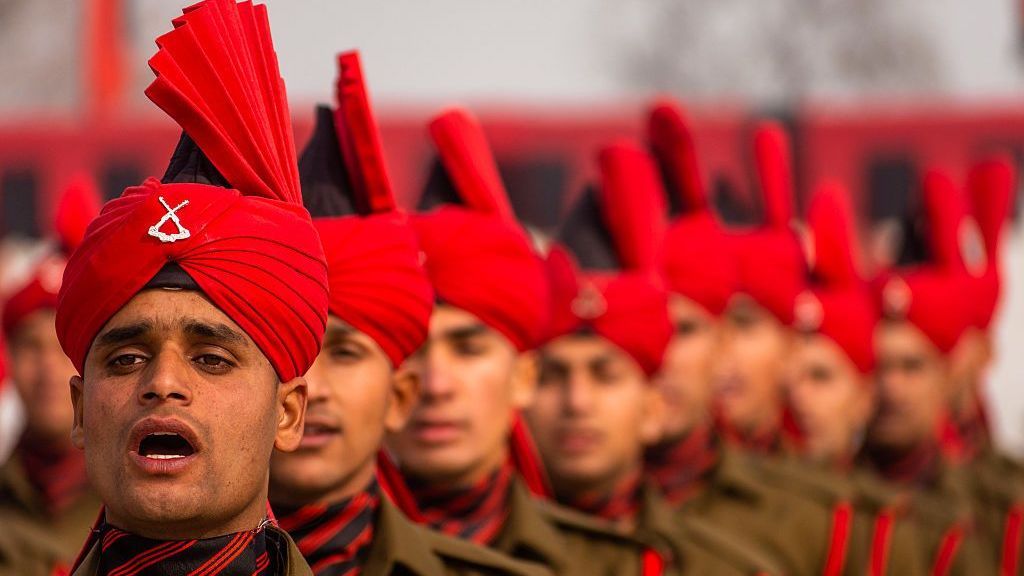
India's military recruitment policy is undergoing a significant change as the government offers an extension to the four-year stint of young soldiers recruited under the Agnipath scheme, first introduced in 2022. This decision comes as the first batch of recruits prepares to complete their initial term. The offer, announced by Chief of Defence Staff General NS Raja Subramani on November 4th, extends the service period for those who did not secure permanent positions by another two years at higher pay. These individuals will then have a second opportunity to join the regular forces if they meet the selection criteria.
The extension follows feedback from the armed forces and is expected to apply to more than 300,000 Agniveers currently serving across the army, navy, and air force. However, it remains unclear whether future batches will also be covered. The move has been met with hope by recruitment trainers, who believe it may reverse a decline in interest in joining the armed forces.
The original policy, which was fiercely debated since its introduction, aimed to lower long-term salary and pension costs, reduce the average age of the armed forces, and create a more technologically adaptable fighting force. However, critics question whether a four-year contract can replace the coveted, long-term career in the armed forces that many young Indians have traditionally pursued. The extension is seen as an attempt to address these concerns and improve recruits' skills, particularly in handling specialized equipment.
The decision also comes at a time when the Indian armed forces are facing personnel shortages. According to reports, the army alone faced a shortfall of nearly 180,000 soldiers last year and was considering increasing recruitment. The debate over Agnipath extends beyond its effects on recruits after four years, with critics questioning whether that is enough time to turn them into experienced soldiers, particularly for technical roles requiring specialized skills.
This revision in the policy could potentially address these concerns and provide a more secure career path for young Indians who join the armed forces under the Agnipath scheme. However, the long-term impact of this change on the Indian military remains to be seen.