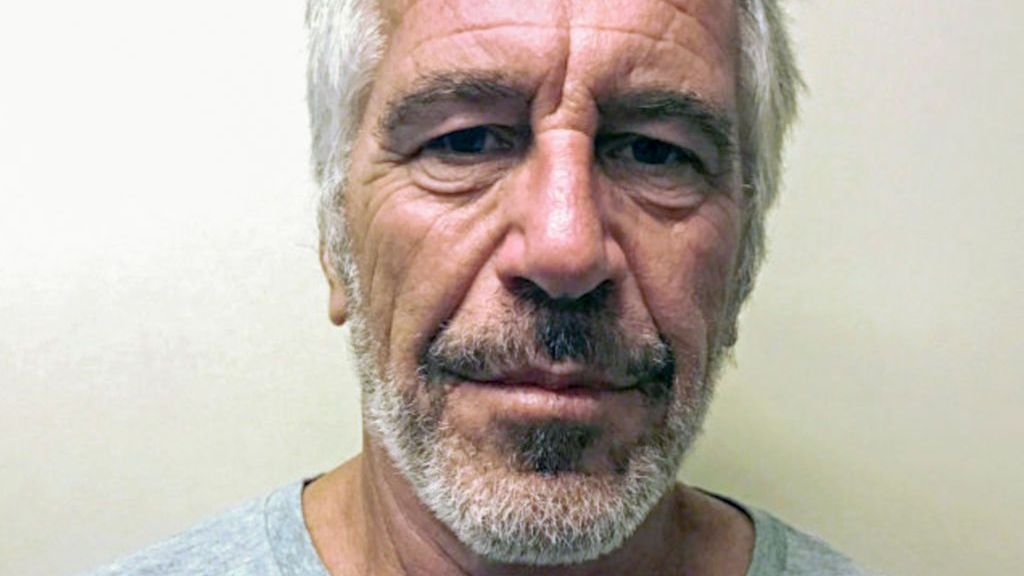
A forensic expert, Professor Michael Freeman, has put forth an alternate theory regarding the death of convicted sex offender Jeffrey Epstein in prison, suggesting that his injuries are consistent with homicide rather than suicide. Speaking to BBC Newsnight on Monday, Freeman detailed his analysis of autopsy photos and medical examiner's files, which he believes indicate signs of strangulation using a ligature. According to the expert, Epstein was found dead in the Metropolitan Correctional Center in New York City on August 10, 2019, while awaiting trial on sex trafficking charges. The medical examiner who carried out the autopsy initially concluded that Epstein's injuries were consistent with suicide and there was no evidence of defensive wounds. However, Freeman disagrees, citing a deep haemorrhage to Epstein's left shoulder and other injuries that appear to be consistent with being struck in the face as indicative of an assault. The expert also points out what he believes are fingernail marks above the ligature mark on Epstein's neck, which would be consistent with strangulation from behind. Freeman stresses that his research has not been peer-reviewed and that he did not see the body himself, but rather based his conclusions on the files and photographs provided by Epstein's brother.
In a new development, a forensic expert has suggested that convicted sex offender Jeffrey Epstein's death in prison may have been the result of homicide rather than suicide. Speaking to BBC Newsnight on Monday, Professor Michael Freeman said that he believes Epstein was strangled, most likely from behind, based on his analysis of autopsy photos and medical examiner's files. Epstein was found dead in prison on August 10, 2019, while awaiting trial on sex trafficking charges. The initial conclusion by the medical examiner who carried out the autopsy was that Epstein's injuries were consistent with suicide and there was no evidence of defensive wounds. However, Freeman disagrees, citing a deep haemorrhage to Epstein's left shoulder and other injuries as indicative of an assault. He also points out what he believes are fingernail marks above the ligature mark on Epstein's neck, which would be consistent with strangulation from behind. Freeman stresses that his research has not been peer-reviewed and that he did not see the body himself, but rather based his conclusions on the files and photographs provided by Epstein's brother.
A forensic expert has put forth a controversial theory suggesting that convicted sex offender Jeffrey Epstein may have been murdered in prison, rather than committing suicide as initially reported. Speaking to BBC Newsnight on Monday, Professor Michael Freeman said he believes Epstein's injuries are consistent with strangulation using a ligature. The expert based his conclusions on the autopsy photos and medical examiner's files that were provided to him by Epstein's brother. Epstein was found dead in prison on August 10, 2019, while awaiting trial on sex trafficking charges. The medical examiner who carried out the autopsy concluded that Epstein's injuries were consistent with suicide and there was no evidence of defensive wounds. However, Freeman disagrees, citing a deep haemorrhage to Epstein's left shoulder and other injuries as indicative of an assault. He also points out what he believes are fingernail marks above the ligature mark on Epstein's neck, which would be consistent with strangulation from behind. Freeman stresses that his research has not been peer-reviewed and that he did not see the body himself. The expert's interpretation of the evidence raises questions about Epstein's death, but it remains to be seen whether further investigations will support his theory.