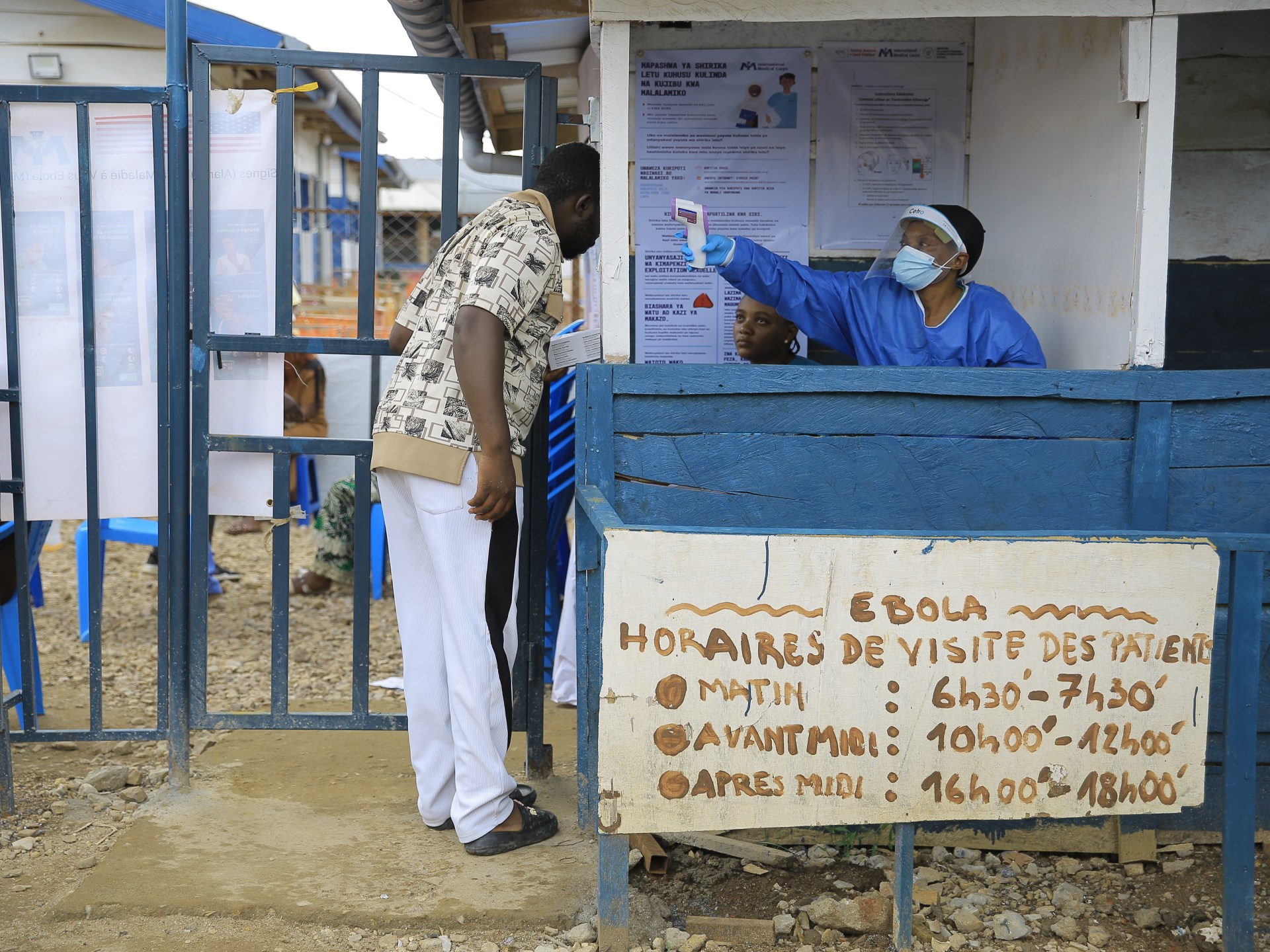
In a troubling development, the Democratic Republic of the Congo (DRC) has reported over 11,000 confirmed cases of Ebola, according to government data, resulting in at least 5,387 deaths. This alarming figure was revealed on Tuesday as health authorities grapple with containing the largest and deadliest Ebola outbreak in the DRC's history. The outbreak is attributed to the rare Bundibugyo strain of the Ebola virus, making it the second-largest and second-deadliest Ebola outbreak ever recorded, surpassed only by the 2014-2016 West African epidemic. This current outbreak has affected eight out of DRC's 26 provinces, with many deaths occurring outside treatment centres due to delayed detection, conflict, and strained health services. The Bundibugyo strain, which claims about half of the lives it infects, does not have a specific vaccine or treatment available yet. In a hopeful sign, the World Health Organization (WHO) has recently approved clinical trials for two new Ebola vaccines, with results expected in early 2027. The outbreak has now spread across East, Central, and West Africa, marking its widest geographic reach on the continent to date.
The ongoing Ebola outbreak in the DRC poses a significant challenge due to the complex factors contributing to its rapid spread. The remote locations and conflict zones where many cases are reported make it difficult for health workers to reach affected areas and implement containment measures effectively. Additionally, the Bundibugyo strain of the virus is particularly virulent, making it harder to control.
The WHO has expressed concern over the geographic spread of the outbreak, as cases have now been reported in multiple African regions. This widening scope increases the risk of further transmission and complicates efforts to contain the disease. The organization has emphasized the importance of strengthening health systems and improving response times to prevent future outbreaks.
The international community is called upon to support DRC's healthcare system and respond to this crisis effectively. The development of new vaccines and treatments for the Bundibugyo strain is crucial in mitigating the impact of the ongoing Ebola outbreak and preventing future epidemics. Collaborative efforts between global health organizations, governments, and local communities are necessary to ensure a comprehensive response and ultimately defeat this deadly virus.