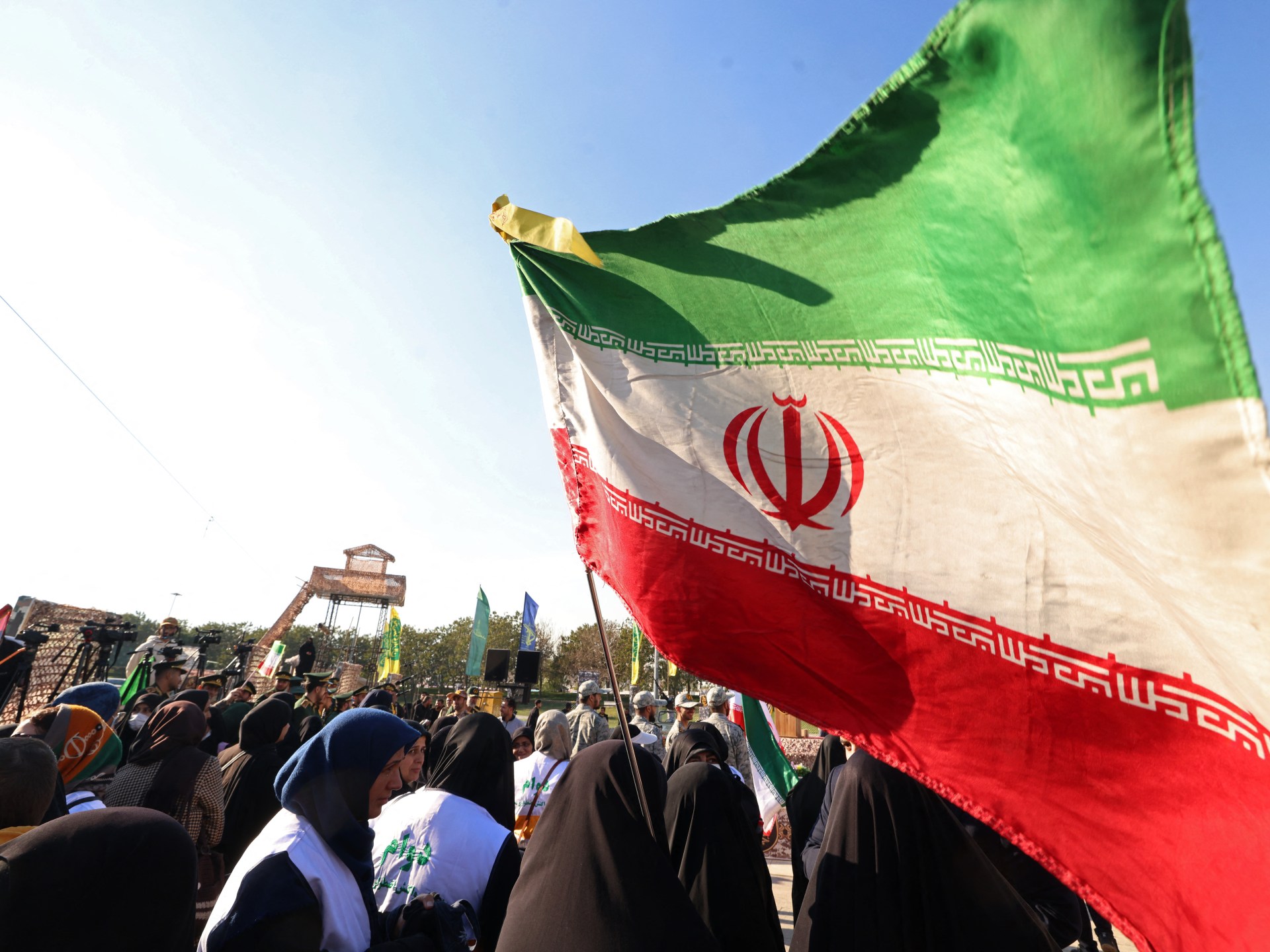
Iran's security chief, Mohsen Rezaei, has stated that Tehran is awaiting a substantive response from the United States regarding its seven conditions for potential peace talks. This statement comes amidst growing speculation about a diplomatic breakthrough in the US and Israel's ongoing conflict with Iran, following President Donald Trump's comments on positive momentum towards resolving the conflict. Rezaei dismissed rumors of ongoing negotiations or meetings in Qatar, suggesting that Washington is using the prospect of talks to alleviate economic pressure and lower oil prices. The Strait of Hormuz, a crucial global maritime corridor that Iran has closed, will remain shut until the US meets Tehran's seven conditions, according to Rezaei. These conditions include lifting sanctions, ending the conflict on all fronts, particularly Israel's attacks on Lebanon, and removing the US naval blockade. Foreign Minister Abbas Araghchi has suggested that the Strait of Hormuz could reopen within two days if these demands are met. Araghchi emphasized that the conflict with Iran will not be resolved through military means or intensified sanctions, but rather through diplomacy and addressing Iran's demands. The ongoing war, now in its ninth month, has caused significant disruptions to global markets and oil and gas supplies, leading to price increases worldwide. Diplomatic discussions regarding the Iran crisis and its subsequent effects on security and economy were held in Paris among Sheikh Mohammed, Saudi foreign minister, and top European diplomats, following his meeting with Trump. US Secretary of State Marco Rubio stated that Washington is open to diplomacy, echoing Trump's stance that further military strikes are unnecessary if objectives can be achieved through economic means. Meanwhile, attacks on vessels in the Strait of Hormuz continue, with Iran's Islamic Revolutionary Guard Corps (IRGC) claiming responsibility for three oil tankers catching fire after striking naval mines while transiting an unauthorized route in the strait's eastern region.
SUMMARY CONTINUED:
The UK Maritime Trade Operations (UKMTO) agency reported incidents involving two tankers in the region, with one tanker allegedly struck by an unknown projectile northeast of Oman's Lima village. This is not the first instance of attacks on ships in and around the Strait of Hormuz; maritime monitoring firms have reported at least 37 such attacks in November alone, making it the highest monthly total for ship attacks since the start of the war. The ongoing tension in the region has significant implications for global oil supplies and prices, with the Strait of Hormuz serving as a crucial passageway for a large portion of the world's crude oil.
SUMMARY CONTINUED:
In the face of these developments, diplomatic efforts are being made to find a resolution to the conflict. The French Foreign Ministry confirmed that discussions regarding the Iran crisis and its consequences on security and economy were held in Paris among key international players. US Secretary of State Marco Rubio expressed Washington's openness to diplomacy, while reiterating Trump's position that further military actions might not be necessary if economic sanctions prove effective in achieving similar objectives. However, the Iranian government has made it clear that its seven conditions must be met before any talks can take place or the Strait of Hormuz is reopened. The international community will continue to watch closely as these developments unfold.