The International Court of Justice (ICJ), the United Nations' highest court, is poised to deliver a groundbreaking verdict on allegations that Myanmar has committed genocide against its Rohingya minority. The ruling, scheduled for 10am (09:00 GMT) on Thursday at The Hague's Peace Palace, could potentially mark the first instance of a state being held responsible for genocide by the ICJ. The hearing will last up to 90 minutes and, if found guilty, Myanmar faces orders to prosecute those responsible, make reparations, and ensure the Rohingya's safe return.
The case was brought forth in November 2019 by The Gambia, a Muslim-majority West African nation, with the backing of the Organisation of Islamic Cooperation. The Gambia accuses Myanmar of state responsibility for genocide, resulting from a 2017 military offensive that displaced over 730,000 Rohingya, predominantly Muslims, into Bangladesh. Survivors have reported mass killings, rape, and village burnings, while the UN fact-finding mission concluded that the campaign included "genocidal acts."
Myanmar denies the genocide charges, claiming its forces responded legitimately to armed group attacks. It argues there is no direct evidence of an intent to destroy the Rohingya. Under the 1948 Genocide Convention, proof of specific intent to destroy, in whole or in part, a national, ethnic, racial, or religious group is required for genocide to be established. To date, the ICJ has not held a state responsible for committing genocide.
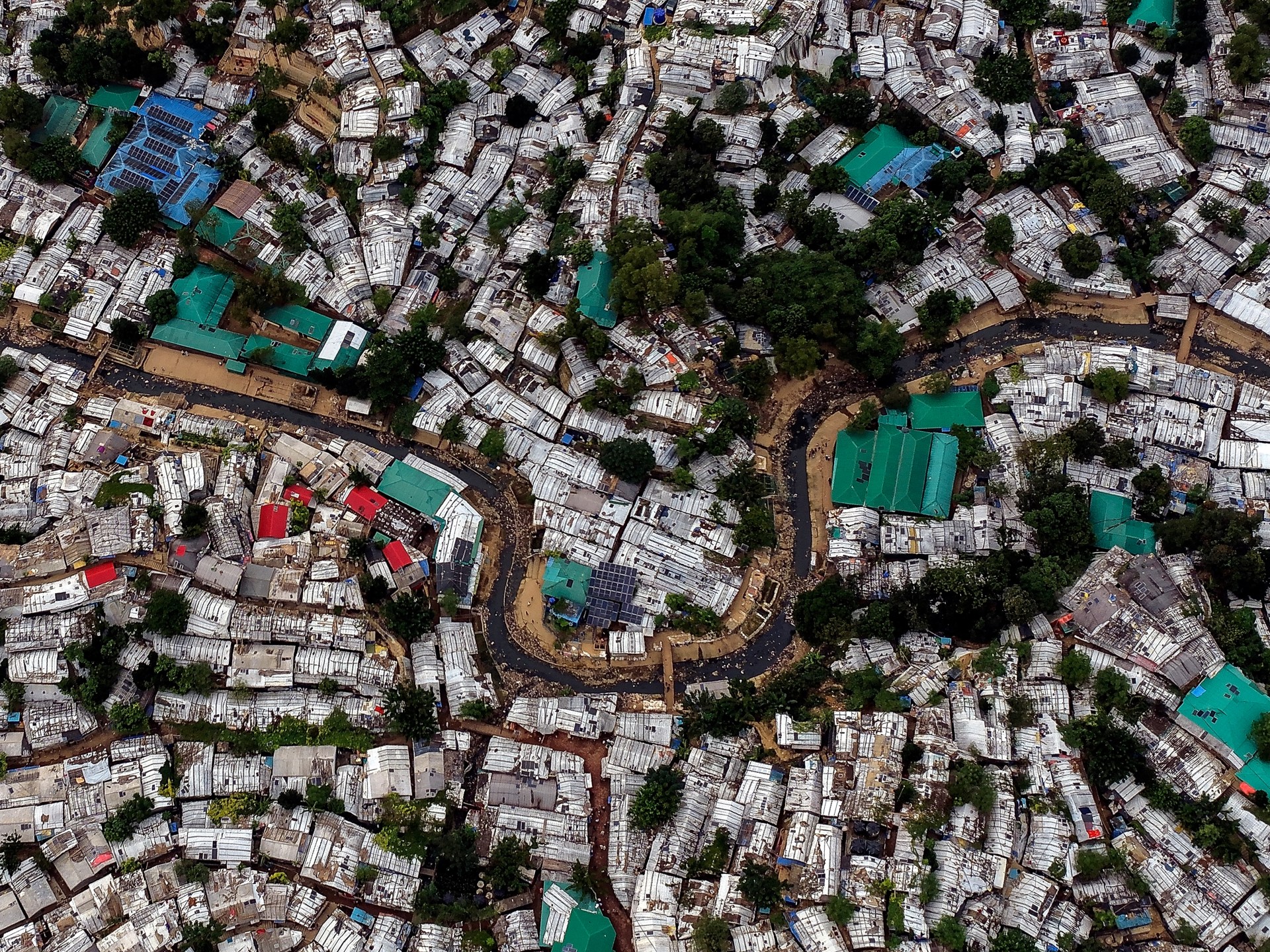
The judgment could have far-reaching implications, potentially influencing other cases such as South Africa's accusation against Israel regarding alleged genocide in Gaza. The ICJ resolves disputes between states and can find Myanmar responsible but cannot try individuals, a task reserved for the International Criminal Court. If Myanmar disregards the ruling, The Gambia may appeal to the UN Security Council for action. Approximately 1.2 million Rohingya currently reside in the Cox's Bazar refugee settlement in Bangladesh, while roughly 550,000 remain in Myanmar under restrictions on movement, healthcare, and livelihoods.