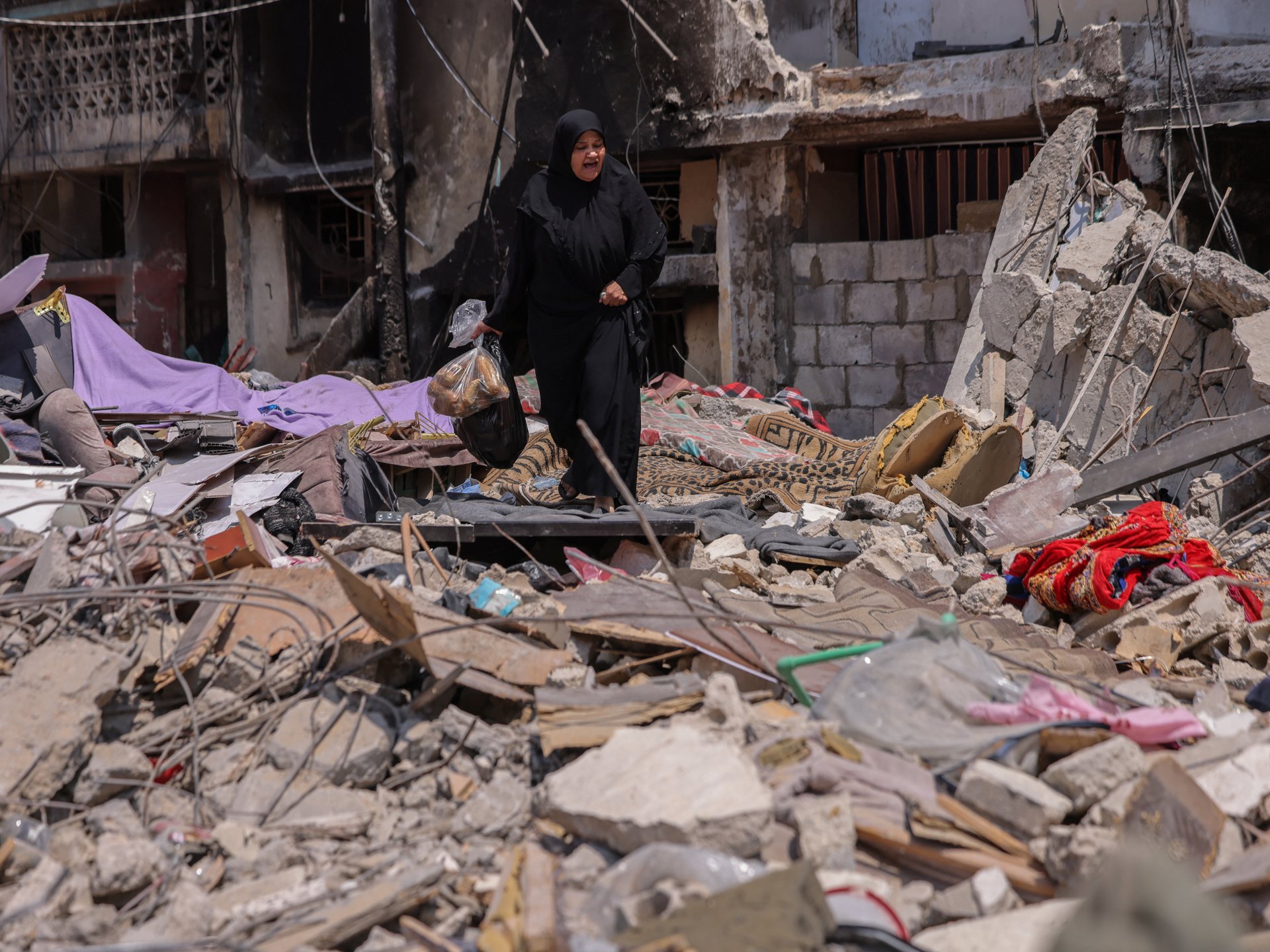
The United Nations has issued a grave warning about a looming hunger crisis in Lebanon, with more than one million people currently facing acute food shortages. This situation is a result of two consecutive conflicts and a devastating economic downturn that has affected nearly a quarter of the nation's population. The Food and Agriculture Organization of the United Nations, the World Food Programme (WFP), and Lebanon's Ministry of Agriculture have jointly warned that this number could rise to 1.15 million by mid-2023.
The dire economic situation in Lebanon has led to limited employment opportunities, depleted savings, and high levels of debt. The cost of essential items, including food and fuel, continues to strain household budgets, pushing many families to the brink. Some households are still managing to cope by saving, borrowing, or cutting expenses, but for others, these options are running out. Without urgent action, the situation could escalate further, with families facing dire consequences when they have nothing left to fall back on.
Lebanon's Agriculture Minister, Nizar Hani, has called for a coordinated national response that addresses immediate food needs, protects livelihoods, and restores productive capacity. The costs of two wars between Israel and the Lebanese armed group Hezbollah since October 2023 are estimated to be around $27 billion. While a United States-brokered agreement was signed in June to end the fighting, Israeli forces still occupy territory in Lebanon, and Lebanon's army has not yet disarmed Hezbollah, which is not a party to the agreement. The conflict erupted as Lebanon grappled with its worst-ever economic crisis, which began in 2019. Despite seeking aid from the International Monetary Fund, Beirut has yet to implement the reforms required to release the funds.