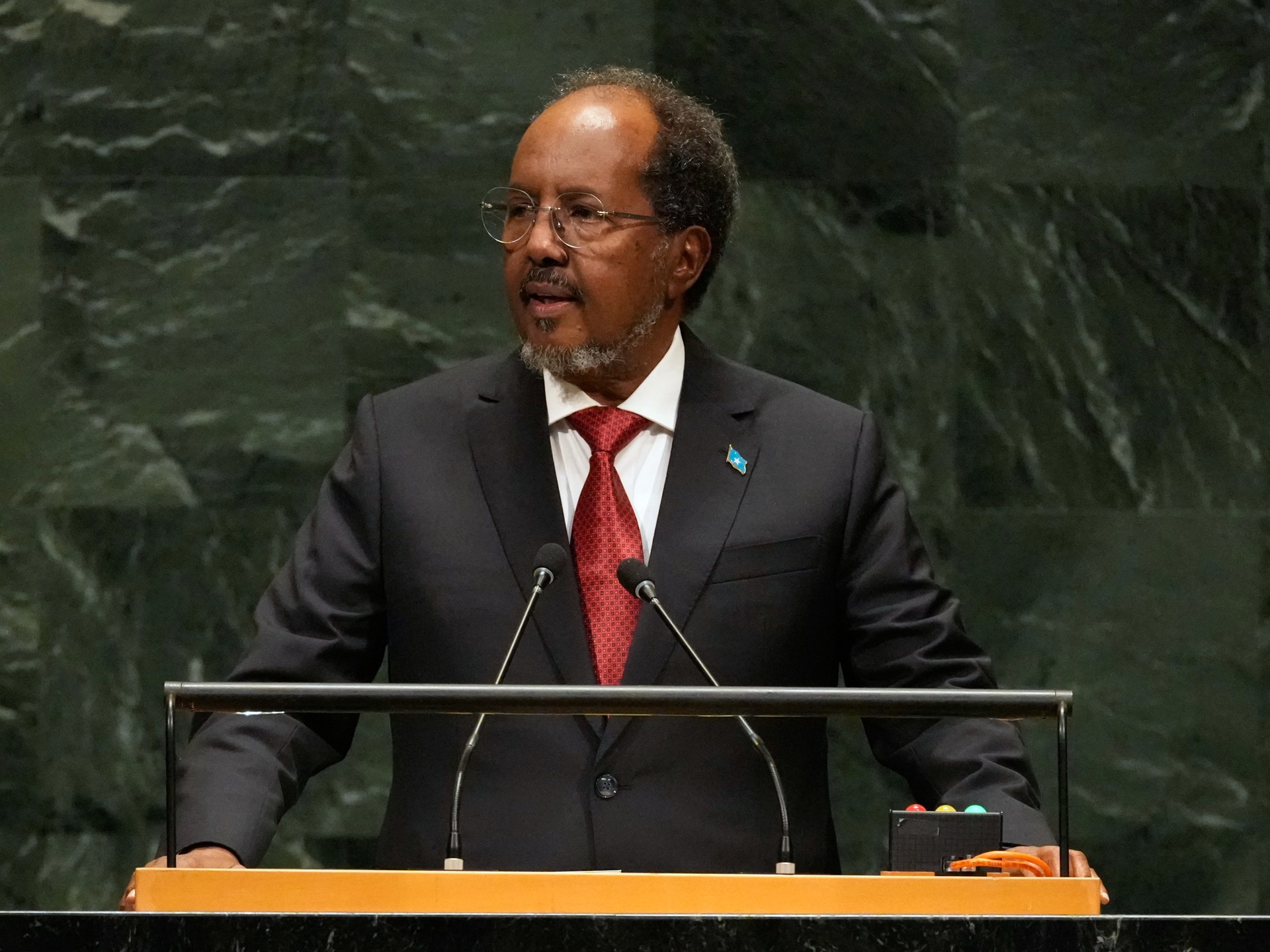
Somalia has ordered the expulsion of the United Arab Emirates (UAE) ambassador within 72 hours in response to alleged violations of its sovereignty. The Somali government accused Abu Dhabi of interfering in its internal affairs, amounting to an "open invasion". Information Minister Abdifatah Kasim Mohamud announced the measures on Thursday, urging all Somalis to defend their country against this perceived aggression. The minister did not provide specific reasons for the expulsion, but earlier this year, President Hassan Sheikh Mohamud accused the UAE of providing economic and political support to regional Somali governments opposed to the federal government. According to reports, Abu Dhabi has signed agreements with regional administrations regarding ports without the Federal Government's consent. The UAE is also reported to have established military bases and forces outside Somalia's national command while its army battles the al-Shabab armed group, and has allegedly provided political and financial support that has fueled disputes within the country. The UAE has denied meddling in Somalia's affairs, but this is the strongest measure Mogadishu has taken against Abu Dhabi since it annulled all agreements earlier this year. The UAE has historically used its wealth to expand its influence across the Horn of Africa, leveraging a mix of economic, military, and diplomatic clout to assert regional power.
---
SUMMARY (CONTINUED):
In January, Somalia cancelled all agreements with the UAE, including port deals and defence and security cooperation, citing "harmful actions" that undermine the country's unity and sovereignty. The UAE has trained hundreds of Somali troops from 2014 to 2018 and still pays salaries and provides logistics for around 3,400 Somali military police and special forces troops in and around the capital, according to senior Somali sources. This expulsion marks a significant escalation in the tension between the two countries. The UAE has not yet responded to the expulsion order.
---
SUMMARY (CONTINUED):
The UAE's alleged actions in Somalia are not without controversy. Critics argue that the UAE's interference in Somalia's internal affairs threatens the stability and sovereignty of the country. Supporters of the UAE claim that its investments in ports and other commercial ventures have helped stimulate economic growth in Somalia. The expulsion of the UAE ambassador is a clear indication of the escalating tension between the two countries and raises questions about the future of their relationship. As the situation unfolds, it remains to be seen how both parties will navigate this complex geopolitical landscape.