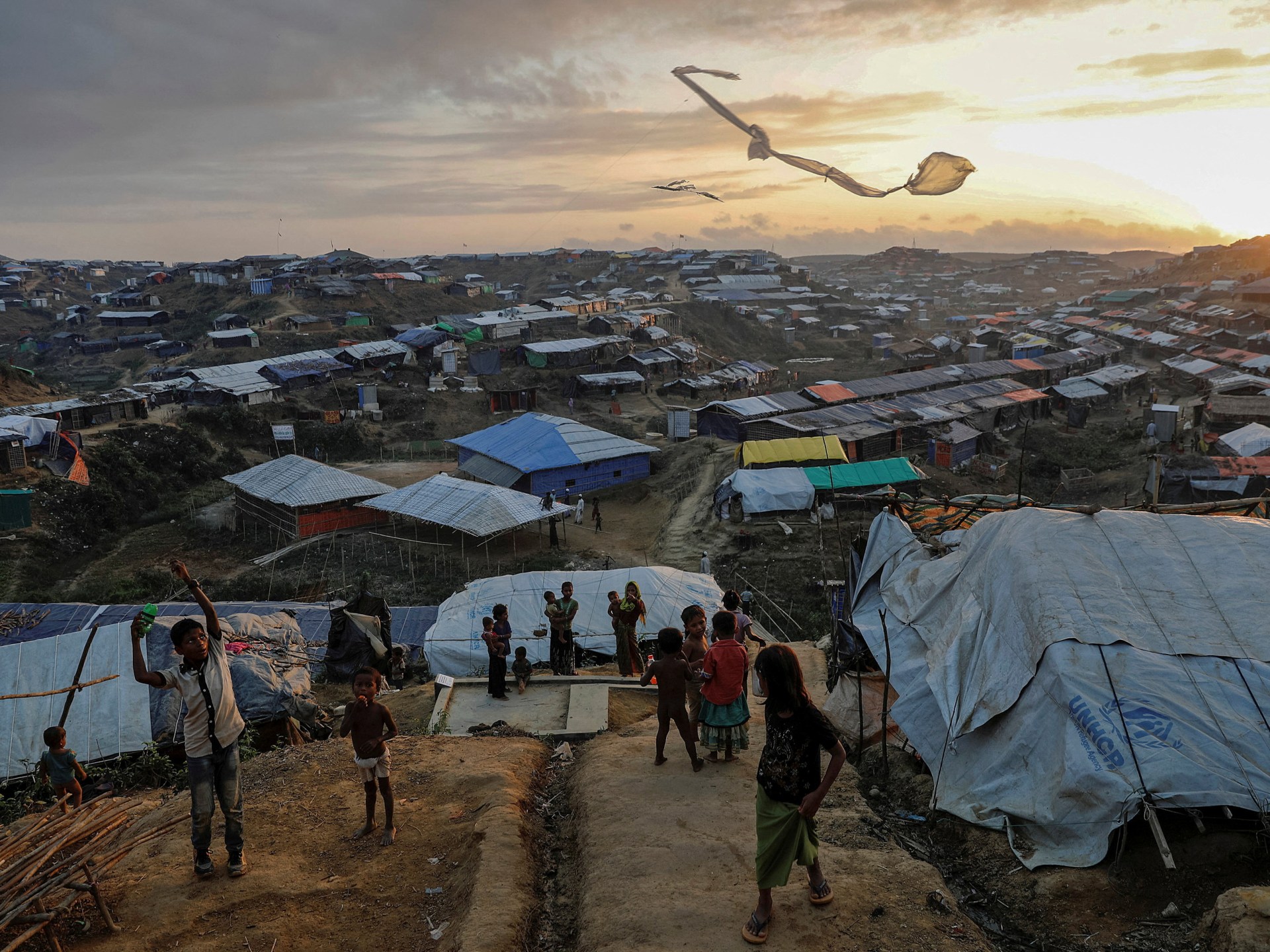
In a landmark decision expected to set a precedent for future cases, the International Court of Justice (ICJ) in The Hague is set to rule on allegations that Myanmar has committed genocide against its Rohingya Muslim minority. This ruling will mark the court's first judgement on the merits of a genocide case in over a decade and could influence ongoing legal proceedings involving South Africa and Israel. The West African nation of The Gambia, acting on behalf of the 57-member Organisation of Islamic Cooperation (OIC), has accused Myanmar of attempting to destroy the Rohingya people during a 2017 military crackdown that forced hundreds of thousands to flee to Bangladesh. The alleged atrocities include killings, mass rapes, and the destruction of hundreds of villages, according to UN investigators. Myanmar, however, claims it was responding to attacks by Rohingya armed groups. The ruling is expected to address whether Myanmar, as a state, committed genocide against the Rohingya, thereby breaching the 1948 Genocide Convention. It's crucial to note that the ICJ judges will not rule on the criminal guilt of individual soldiers or commanders, but rather on the actions of the state. The judgement could have significant implications for the Rohingya community, who have been denied citizenship and live in crowded refugee camps in Bangladesh, largely dependent on international aid.
SUMMARY (CONTINUED):
The alleged genocide against the Rohingya is not a recent development; it has been a longstanding issue that escalated with the 2017 military operation. In 1982, Myanmar excluded the Rohingya from its 135 recognized ethnic groups, labeling them as immigrant Bengalis despite many families having lived in Myanmar for generations. This exclusion has led to nearly all Rohingya being denied citizenship, making them the world's largest stateless group. Since fighting resumed in 2023, the Arakan Army, an ethnic Rakhine armed group, has taken most of Rakhine State. Both forces have been accused by the UN of committing widespread and systematic abuses against the Rohingya, leading to over 155,000 refugees fleeing to Bangladesh since early 2024, increasing the refugee population there to about 1.2 million.
SUMMARY (CONTINUED):
The ICJ's decision will be closely watched as it could potentially set a significant legal precedent in international law. A finding of genocide would formally recognize the harm inflicted upon the Rohingya and could lead to further action against Myanmar. However, it is important to remember that this is a complex issue with deep historical roots and ongoing humanitarian concerns for the Rohingya people. The ruling will serve as a testament to the international community's commitment to upholding the principles of the 1948 Genocide Convention and protecting vulnerable minorities from such atrocities.