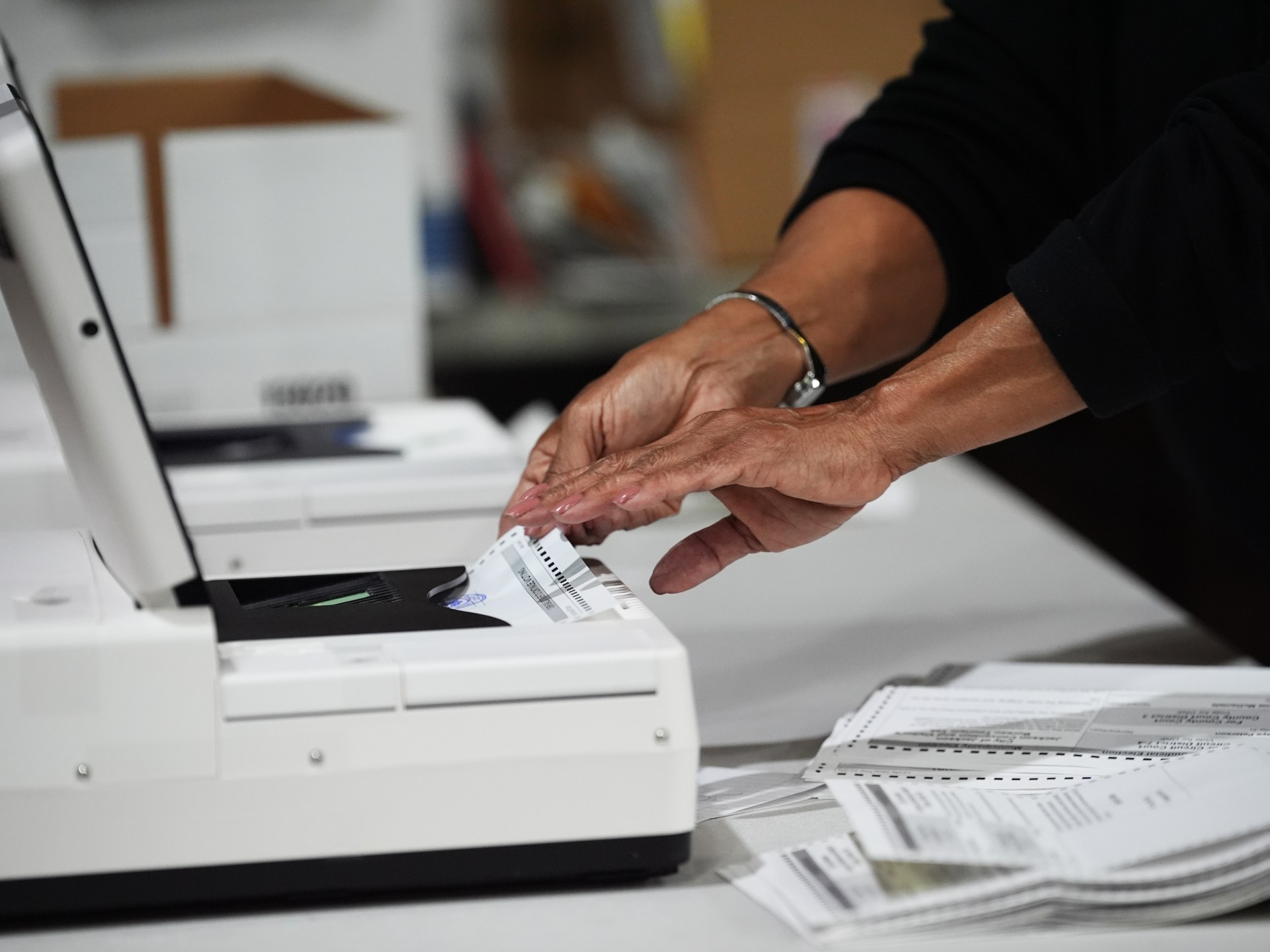
One week after the midterm elections in the United States, several key races remain undecided, potentially altering the balance of power in both chambers of Congress. As of Tuesday, Democrats have won 54 seats in the Senate and 255 seats in the House of Representatives, but these numbers could change as votes continue to be counted in various states.
In Mississippi's US Senate race, Democrat Scott Colom leads Republican incumbent Cindy Hyde-Smith by approximately 2,600 votes, with mail-in absentee ballots and provisional ballots still being counted. The state has until December 3 to certify its results, and it is unclear exactly how many ballots are left to count.
In Alaska's US Senate race, Democrat Mary Peltola leads Republican Senator Dan Sullivan by about 2,500 votes, with an estimated 76 percent of the vote counted. Absentee ballots continue to be counted, and ranked-choice voting could affect the timeline for certification.
In several uncalled House races across North Carolina, California, South Carolina, Minnesota, and Tennessee, the margin between the leading candidates is less than one percentage point among votes counted. Recounts may be requested in some states if the margin is close enough, but deadlines for requesting recounts vary by state.
As the counting of votes continues, the final composition of the US Congress remains uncertain. The results of these key races will have significant implications for legislative priorities and political dynamics in the coming years. According to reports, Democrats hope that these remaining races will further expand their majorities in both chambers of Congress.