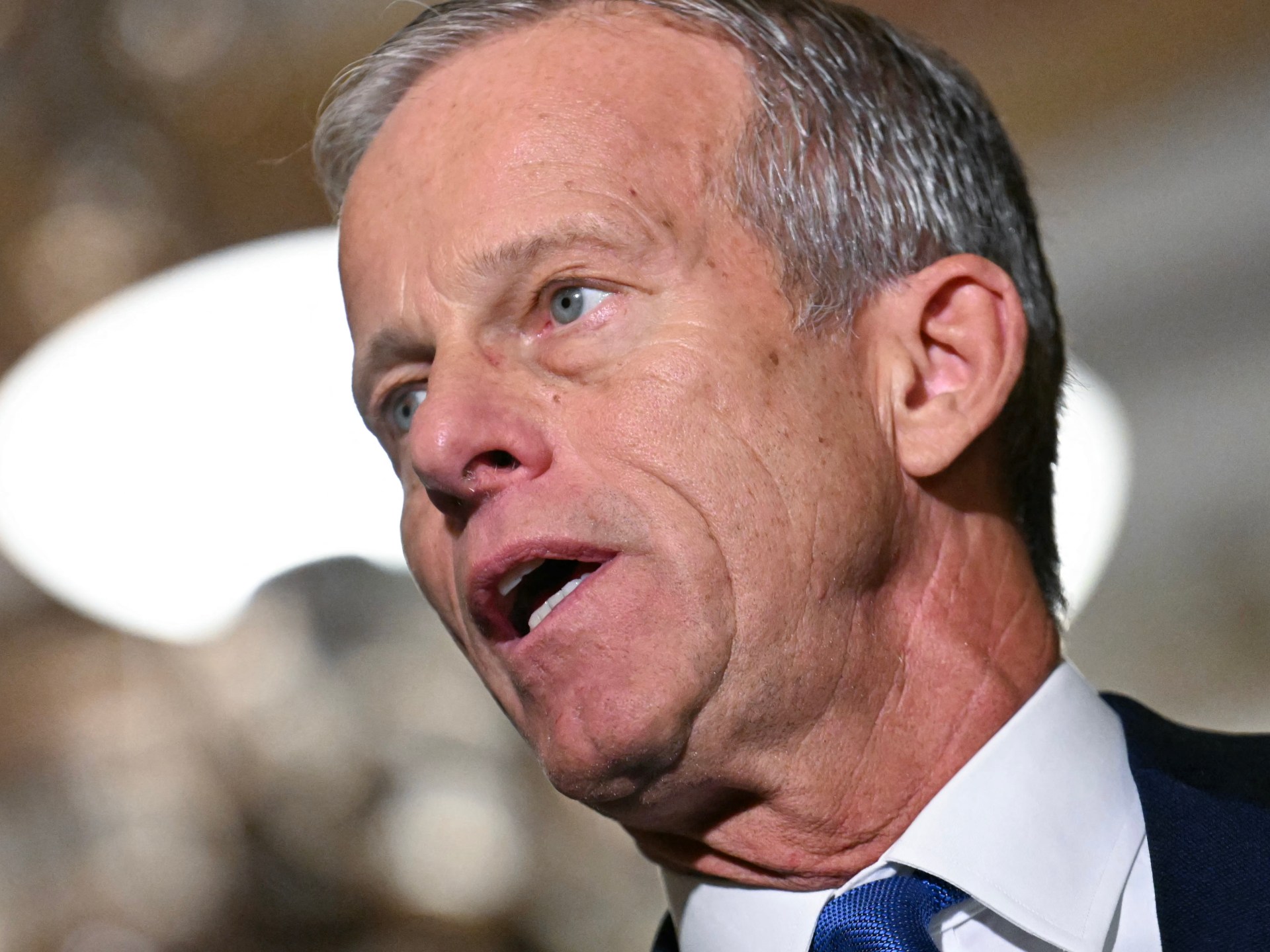
In a closed-door meeting at the US Capitol on Tuesday, South Dakota Senator John Thune was re-elected to lead the United States Senate's Republican faction. This decision was made despite some GOP lawmakers advocating for a delay in the leadership vote to evaluate the party's disappointing midterm election results. Thune ran unopposed in this election, as no other Republicans contested his bid for the position. The re-election of Thune comes as Republicans prepare to lose their majority in Congress, and he will now lead the party during the final years of Donald Trump's presidency. Some Republican senators, such as Josh Hawley of Missouri, had hoped for a challenger if the vote were delayed, expressing concerns about rushing into the same leadership without careful consideration of what went wrong in the election. Despite losing at least seven Senate seats in the midterms, Thune's re-election has been met with widespread support among Republican senators, including Jim Lankford of Oklahoma, who praised Thune for his efforts to seek out differing viewpoints before making major decisions.
In a separate development, Congressman Jim Jordan was elected as the US House minority leader, marking his first foray into Republican leadership. Under Thune's tenure, the Republican Party will face challenges in working with a Democratic-controlled Congress to advance any legislation and contend with a White House that plans to double down on its most controversial policies. Thune has emphasized issues such as rising global energy prices and Israel's right to self-defense in recent months, criticizing policies that pressure the Israeli military's operations and expressing support for the president's strategic opinions on Israel's leadership.
In a closed-door meeting at the US Capitol on Tuesday, John Thune was re-elected as the leader of the United States Senate's Republican faction. This decision was made despite some GOP lawmakers calling for a delay in the leadership vote to analyze the party's disappointing midterm election results. Thune ran unopposed in this election and will now lead the Republican Party during the final years of Donald Trump's presidency as they prepare to lose their majority in Congress. Some Republican senators, such as Josh Hawley of Missouri, had hoped for a challenger if the vote were delayed, expressing concerns about rushing into the same leadership without careful consideration of what went wrong in the election. Despite losing at least seven Senate seats in the midterms, Thune's re-election has been met with widespread support among Republican senators, including Jim Lankford of Oklahoma, who praised Thune for his efforts to seek out differing viewpoints before making major decisions.
In a separate development, Congressman Jim Jordan was elected as the US House minority leader, marking his first foray into Republican leadership. Under Thune's tenure, the Republican Party will face challenges in working with a Democratic-controlled Congress to advance any legislation and contend with a White House that plans to double down on its most controversial policies. Thune has emphasized issues such as rising global energy prices and Israel's right to self-defense in recent months, criticizing policies that pressure the Israeli military's operations and expressing support for the president's strategic opinions on Israel's leadership.
In a closed-door meeting at the US Capitol on Tuesday, South Dakota Senator John Thune was reappointed as the leader of the United States Senate's Republican faction. This decision was made despite some GOP lawmakers calling for a delay in the leadership vote to analyze the party's disappointing midterm election results. Thune ran unopposed in this election and will now lead the Republican Party during the final years of Donald Trump's presidency as they prepare to lose their majority in Congress. Some Republican senators, such as Josh Hawley of Missouri, had hoped for a challenger if the vote were delayed, expressing concerns about rushing into the same leadership without careful consideration of what went wrong in the election. Despite losing at least seven Senate seats in the midterms, Thune's reappointment has been met with widespread support among Republican senators, including Jim Lankford of Oklahoma, who praised Thune for his efforts to seek out differing viewpoints before making major decisions.
In a separate development, Congressman Jim Jordan was elected as the US House minority leader, marking his first foray into Republican leadership. Under Thune's tenure, the Republican Party will face challenges in working with a Democratic-controlled Congress to advance any legislation and contend with a White House that plans to double down on its most controversial policies. Thune has emphasized issues such as rising global energy prices and Israel's right to self-defense in recent months, criticizing policies that pressure the Israeli military's operations and expressing support for the president's strategic opinions on Israel's leadership.