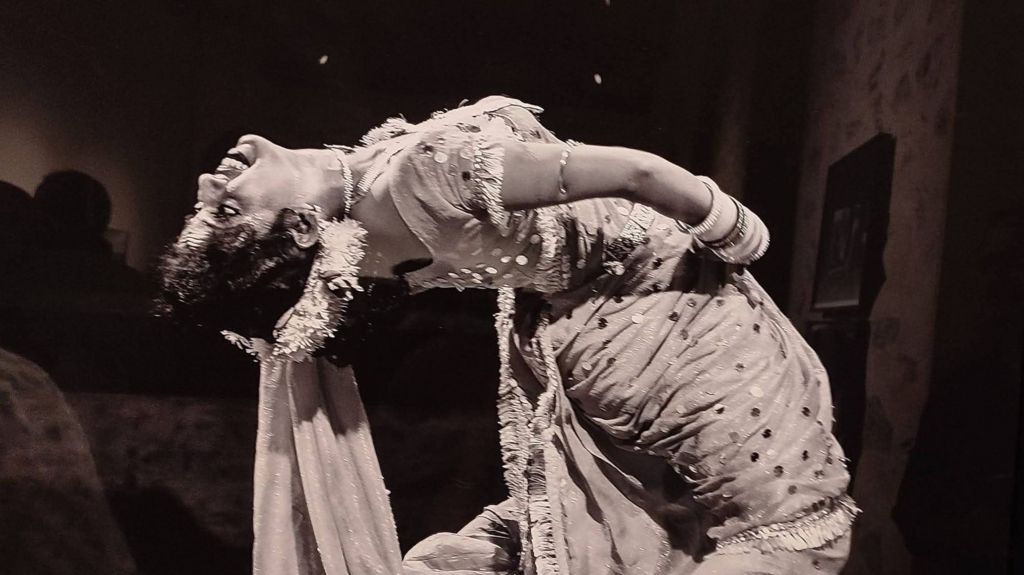
In a testament to her enduring legacy, the life of Vithabai Narayangaonkar, a renowned dancer and singer in Maharashtra's folk theatre, is being spotlighted through a new Bollywood film titled Eetha. Born during a Tamasha performance in 1935, Vithabai rose to become the Tamasha Samradnyi, or empress of Tamasha, captivating audiences with her performances for decades starting from the 1960s. The film, set for release on December 4 and starring Shraddha Kapoor, is based on Yogiraj Bagul's Marathi book about Vithabai's life. Tamasha, a lively blend of music, dance, comedy, and drama rooted in devotional poetry, evolved into an art form that held Maharashtra spellbound. Central to it is Lavani, a tradition that combines music and dance with bawdy or politically incisive lyrics set to the rhythms of the dholki drum.
The film, directed by Laxman Utekar, evokes the heyday of Tamasha, with Kapoor learning to dance in traditional anklets weighing 4kg each. Vithabai's life was marked by resilience and determination, as she continued performing even while giving birth to her seventh child on stage. Despite facing discrimination as a member of an oppressed caste, Vithabai used her artistry to challenge societal norms, speaking openly about caste and the indignities faced by Tamasha artists. However, some critics have raised concerns over the film's decision to rename its protagonist and downplay certain aspects of Vithabai's history.
Vithabai's career flourished during Tamasha's golden age, when productions grew more elaborate, drawing on mythology, history, and contemporary life. Her fame extended beyond Maharashtra, with performances for soldiers in the North-East Frontier Agency during India's war with China in 1962. Despite offers from leading filmmakers and roles in Marathi cinema, Vithabai refused to leave theatre, prioritizing her troupe over personal fame. In doing so, she embodied a deep connection with her audiences that transcended the stage, as demonstrated by their generosity during a Diwali performance in Mumbai in 1971. Despite facing financial hardships later in life, Vithabai's spirit and artistry continue to inspire generations of performers today.