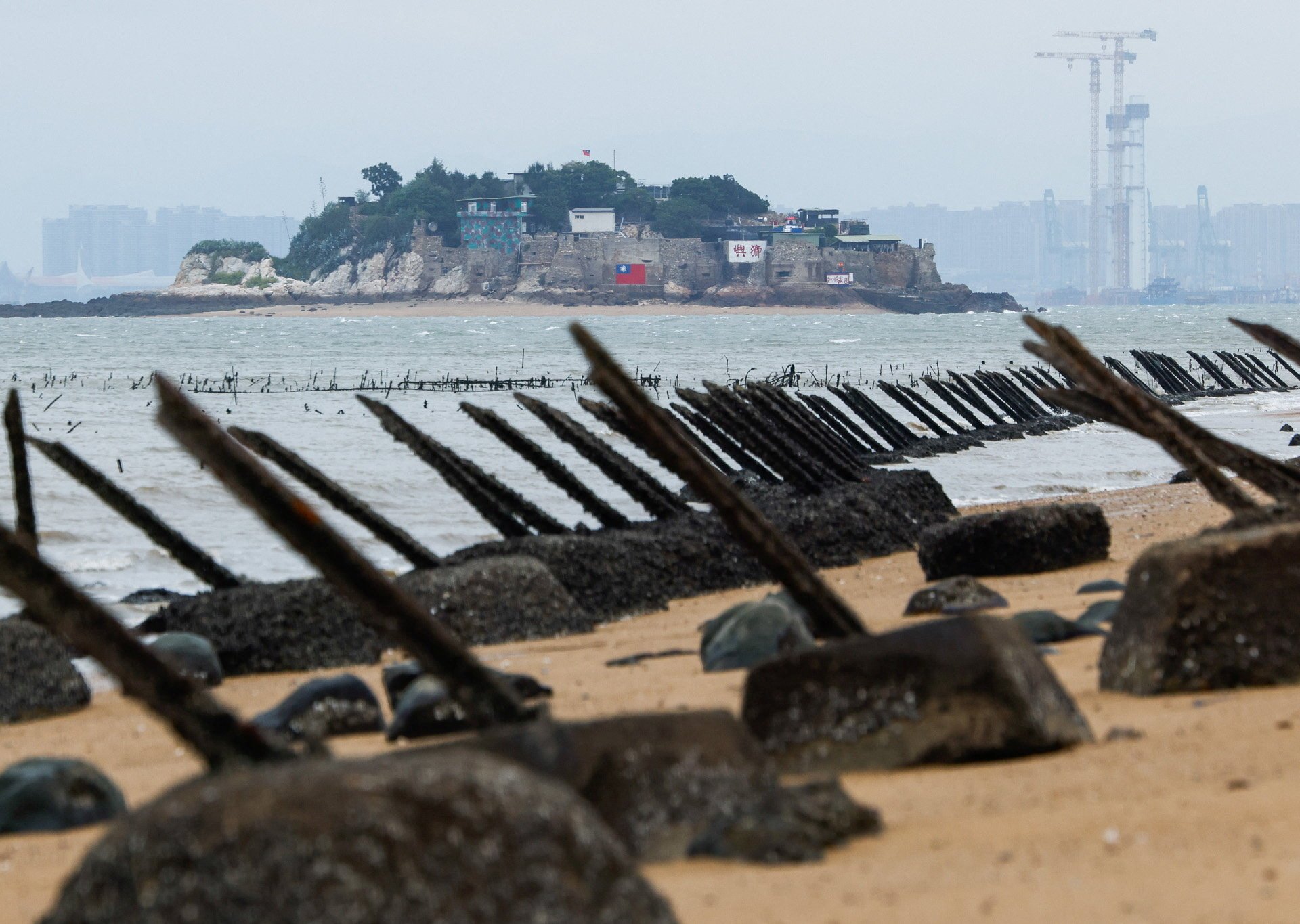
Following significant election victories by the Democratic Progressive Party (DPP) in local elections held on Saturday, China has reaffirmed its commitment to "reunification" with Taiwan. The Taiwan Affairs Office stated that political changes within the island would not hinder the progress of exchanges across the Taiwan Strait. According to the office's statement, it is believed that mainstream public opinion in Taiwan supports peace, development, and cooperation between the two sides. However, China has warned that it will continue to suppress separatist forces in Taiwan, oppose external interference, and advance national reunification. Tensions between the two regions remain high as China claims sovereignty over Taiwan, a self-governing island that rejects Beijing's claims. In response, Taiwan's government urged Beijing to take a pragmatic approach to the election results and engage in dialogue with its democratically elected government. The DPP's strong showing in the elections, including winning Taichung, Taiwan's second-most populous city, may indicate support for the party ahead of Taiwan's presidential election in 2028. However, China has been conducting military exercises around Taiwan and has refused to engage in dialogue with Taiwanese President William Lai Ching-te, who maintains that only Taiwan's people can decide their future.
SUMMARY (CONTINUED):
China's response to the election results comes amid increased tensions between the two regions. The Chinese military was reportedly active around Taiwan in the days leading up to the elections, with the Taiwanese Defence Ministry tracking 33 Chinese military aircraft, eight naval vessels, and four official ships near the island between Friday morning and Saturday morning. The Chinese military activities were described as a "joint combat readiness patrol" by the ministry. The elections were largely focused on domestic issues rather than relations with China. However, the results may offer an indication of support for the major parties ahead of Taiwan's presidential election in 2028, although history has repeatedly shown it can be the reverse.
SUMMARY (CONTINUED):
Taiwanese President William Lai Ching-te, who also chairs the DPP, maintains that only Taiwan's people can decide their future. The DPP's victory in Saturday's elections has raised concerns in Beijing, which considers the party to be pro-independence. The KMT, which is considered more Beijing-friendly, retained control of Taipei, where its incumbent mayor defeated the DPP's Puma Shen, a legislator who has been placed on a Chinese police wanted list over alleged separatist activities. The elections were peaceful, and there were no reports of violence or significant disruptions. However, the outcome may have significant implications for relations between China and Taiwan in the coming years.