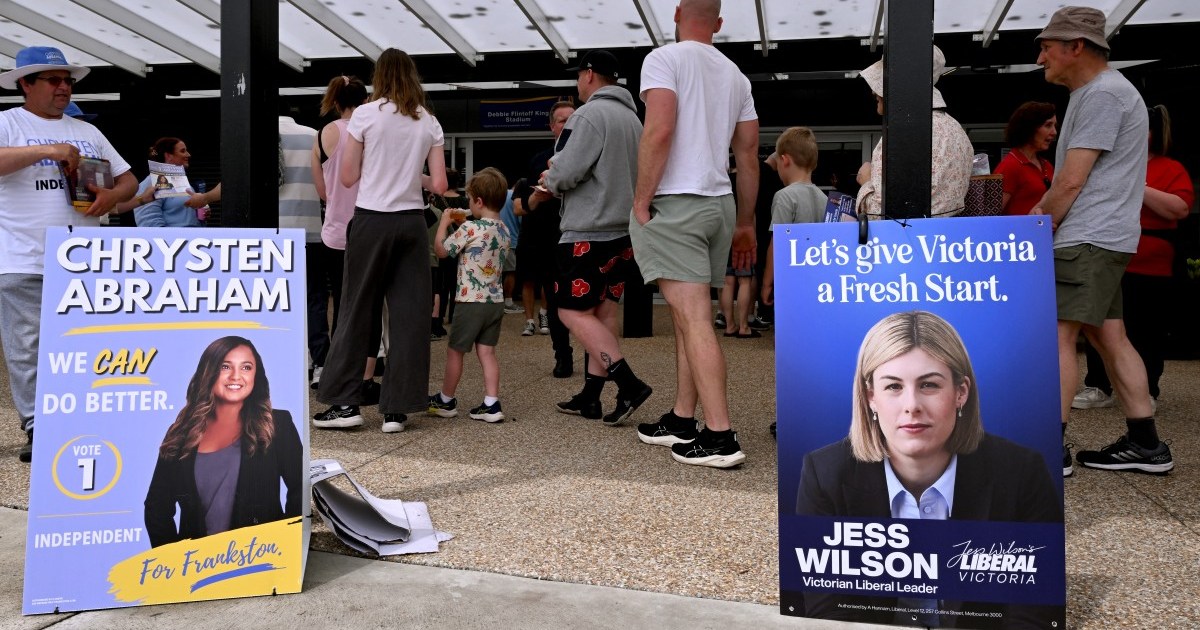
In a seismic shift for Australian politics, the conservative Liberal-National coalition has seized control of Victoria's state government, ending a 12-year reign by the Labor Party. Preliminary results show that the coalition is poised to secure at least 49 seats in the lower house, granting them an outright majority in the 88-member parliament. The Greens have managed to secure six seats while Labor has only three, with another 30 seats still undecided. Outgoing Premier Ben Carroll conceded defeat after losing his seat of Niddrie in Melbourne, accepting responsibility for the election result that marks the end of Labor's rule in one of its traditional strongholds.
The Liberal leader, Jess Wilson, is on track to become Victoria's youngest premier and the first woman to hold the position. During her campaign, she focused on tackling crime, improving infrastructure, reducing state debt, and partially privatizing Melbourne's sewerage network. She acknowledged the challenges facing her incoming government, warning that rebuilding Victoria would be a long-term endeavor. The coalition last won an election in Victoria in 2010 but was ousted by Labor four years later.
The defeat is a significant blow to Prime Minister Anthony Albanese and his federal Labor government, which secured a second term in May 2025. Recent polls suggest that Albanese's approval rating has plummeted to its lowest level since he took office. The election was preceded by months of political turmoil within the state government, including allegations of criminal activity and corruption involving major infrastructure projects, which led to a royal commission being launched.
The far-right, anti-immigration One Nation party also saw a surge in support, particularly outside Melbourne. Preliminary figures suggest that One Nation attracted 32.3 percent of first-preference votes in regional Victoria compared to 15.7 percent in metropolitan areas, although they have yet to secure a lower-house seat. The outcome of the election for the 40-member upper house could determine One Nation's influence over the incoming government's legislative agenda. Counting continues, with the final composition of the state parliament yet to be determined.