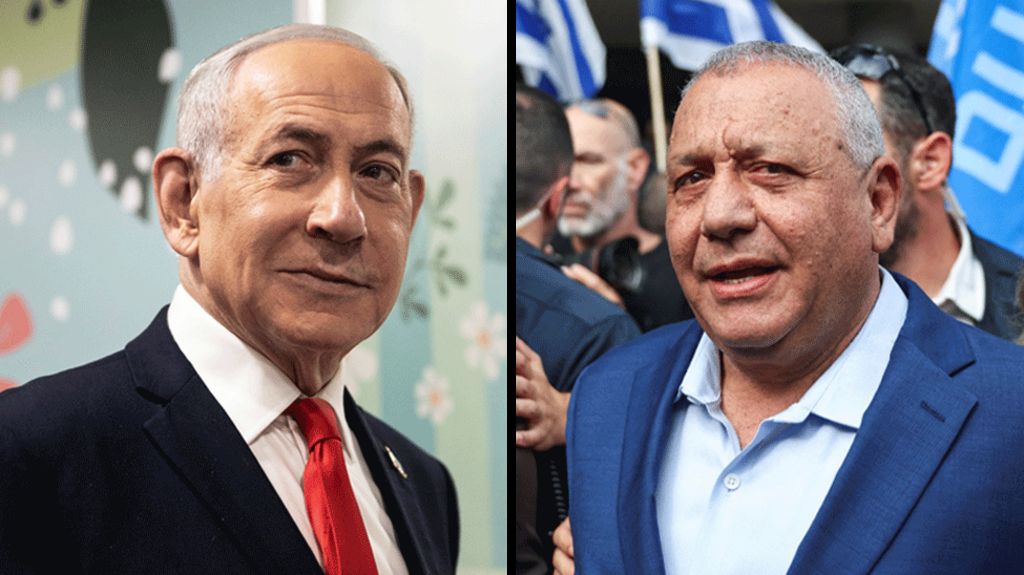
Israeli Prime Minister Benjamin Netanyahu has proposed a national unity government that would see former army chief Gadi Eisenkot serving as the initial prime minister in a rotating capacity. In a social media post on Saturday, Netanyahu extended an invitation to negotiations with Eisenkot, who was tasked by President Isaac Herzog earlier this month with forming a government within 28 days. The proposal comes after accusations from Eisenkot that Netanyahu's right-wing Likud party has been stalling coalition talks leading up to the December 6 deadline.
Netanyahu's proposal follows elections in October, where Eisenkot's centrist Yashar party and three other Jewish opposition parties won 48 seats, while Netanyahu's bloc garnered 53. Both fell short of a majority in the 120-seat Knesset. Herzog consulted with all parties before giving Eisenkot the first opportunity to form a government. Two Arab-led alliances, United Arab List and Joint List, won an unprecedented 19 seats following a surge in turnout among Arab voters, positioning them as potential kingmakers. However, all but one of the Jewish parties pledged not to work with them to form a government before the polls.
Eisenkot has made progress towards achieving the majority he needs, having agreed on coalition deals with Yisrael Beiteinu party and The Democrats. His fourth member, Beyachad party, led by former Israel Prime Minister Naftali Bennett, has expressed support for a unity government involving Likud, with Eisenkot serving as the initial prime minister. Netanyahu's proposal aims to address an "existential danger" that he believes requires a government with the capacity to respond effectively. Eisenkot has welcomed the proposal and stated that negotiations will focus on the detailed plan he sent to Netanyahu last Sunday, expressing disappointment at the lack of response thus far from Likud.