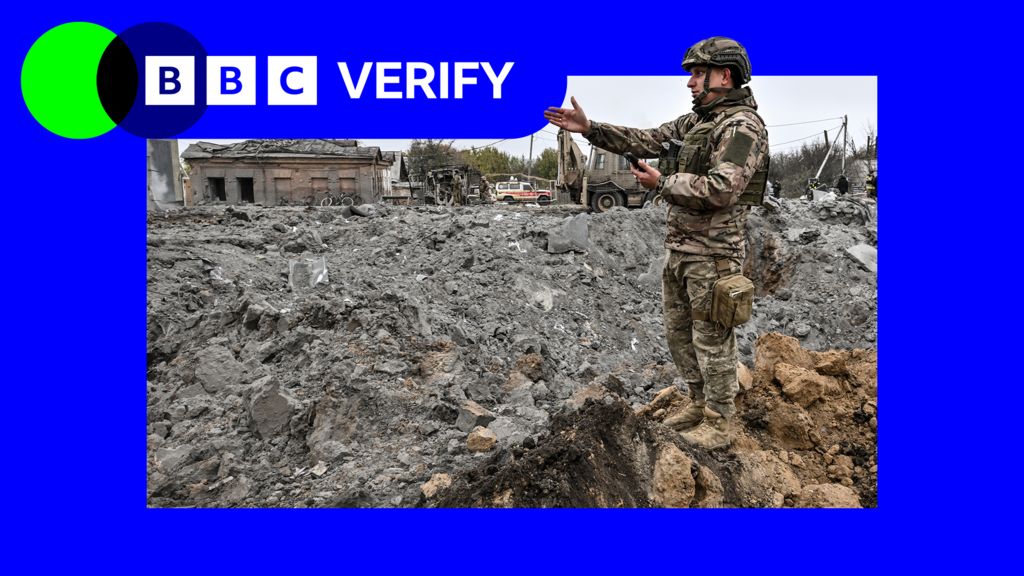
Ukrainian authorities have levied accusations against Russia for deliberately targeting rescue and recovery operations following a devastating double strike on a humanitarian aid center in Komyshuvakha, a village near the front line. On November 2nd, two attacks occurred at the site, with the second reportedly involving the use of a 3,000kg aerial bomb, which struck a shelter where residents had sought refuge. The State Emergency Service of Ukraine (DSNS) reports that several rescue workers and vehicles were injured during these strikes, and the death toll has risen to at least 72 people, making it one of the deadliest single incidents since Russia's full-scale invasion in February 2022. Oleksiy, an intelligence officer investigating the incident for Ukraine's SBU security service, alleges that rescue vehicles were clearly marked and that Russian forces are intentionally destroying humanitarian equipment, as well as systematically targeting the village's infrastructure and civilians. In response to these claims, the Russian Ministry of Defence has yet to provide comment on the specific attacks in Komyshuvakha but released a general statement on November 2nd stating they had targeted energy and transport infrastructure across the country. The village is located near a key route used for troop movements, supplies, and evacuations, although there are no military or industrial facilities present. Funerals have been held nearly every day since the attack for the victims, which include aid workers, civilians seeking assistance, and soldiers who arrived to assist with rescue efforts.
Investigations are ongoing following accusations by Ukrainian authorities that Russia deliberately targeted humanitarian rescue and recovery operations in Komyshuvakha, a village near the front line. On November 2nd, two attacks occurred at a humanitarian aid center in the village, with the second involving the use of a 3,000kg aerial bomb that struck a shelter where residents had sought refuge. The State Emergency Service of Ukraine (DSNS) reports multiple strikes during the rescue efforts, resulting in injuries to several workers and damage to vehicles. As a result of these attacks, at least 72 people have died, making it one of the deadliest single incidents since Russia's full-scale invasion in February 2022. Oleksiy, an intelligence officer investigating the incident for Ukraine's SBU security service, alleges that rescue vehicles were clearly marked and that Russian forces are intentionally destroying humanitarian equipment and systematically targeting the village's infrastructure and civilians. The Russian Ministry of Defence has yet to provide comment on the specific attacks in Komyshuvakha but released a general statement on November 2nd stating they had targeted energy and transport infrastructure across the country.
International law experts are debating potential war crimes committed by Russian forces following accusations that they knowingly attacked rescue workers and civilians in Komyshuvakha, a village near the front line. On November 2nd, two attacks occurred at a humanitarian aid center in the village, resulting in at least 72 deaths and injuries to several rescue workers and vehicles. Oleksiy, an intelligence officer investigating the incident for Ukraine's SBU security service, alleges that Russian forces are intentionally destroying humanitarian equipment and systematically targeting civilians. If true, these actions could be considered war crimes under international law. Ben Saul, professor of international law at the University of Sydney, stated that the attacks appear to be either a deliberate attack on civilians or civilian objects, which is a war crime, or an indiscriminate attack, also a war crime. The Russian Ministry of Defence has yet to comment specifically on these allegations but released a general statement on November 2nd stating they had targeted energy and transport infrastructure across the country. Funerals have been held nearly every day since the attack for the victims, which include aid workers, civilians seeking assistance, and soldiers who arrived to assist with rescue efforts.