In a troubling turn of events, the internationally recognized government of Yemen has stepped up military operations against Houthi rebels, resulting in numerous casualties and heightened tensions across the war-torn country. The United Nations (UN) has expressed grave concerns over a looming hunger crisis in government-held areas, where approximately 1.8 million people now face emergency levels of food insecurity.
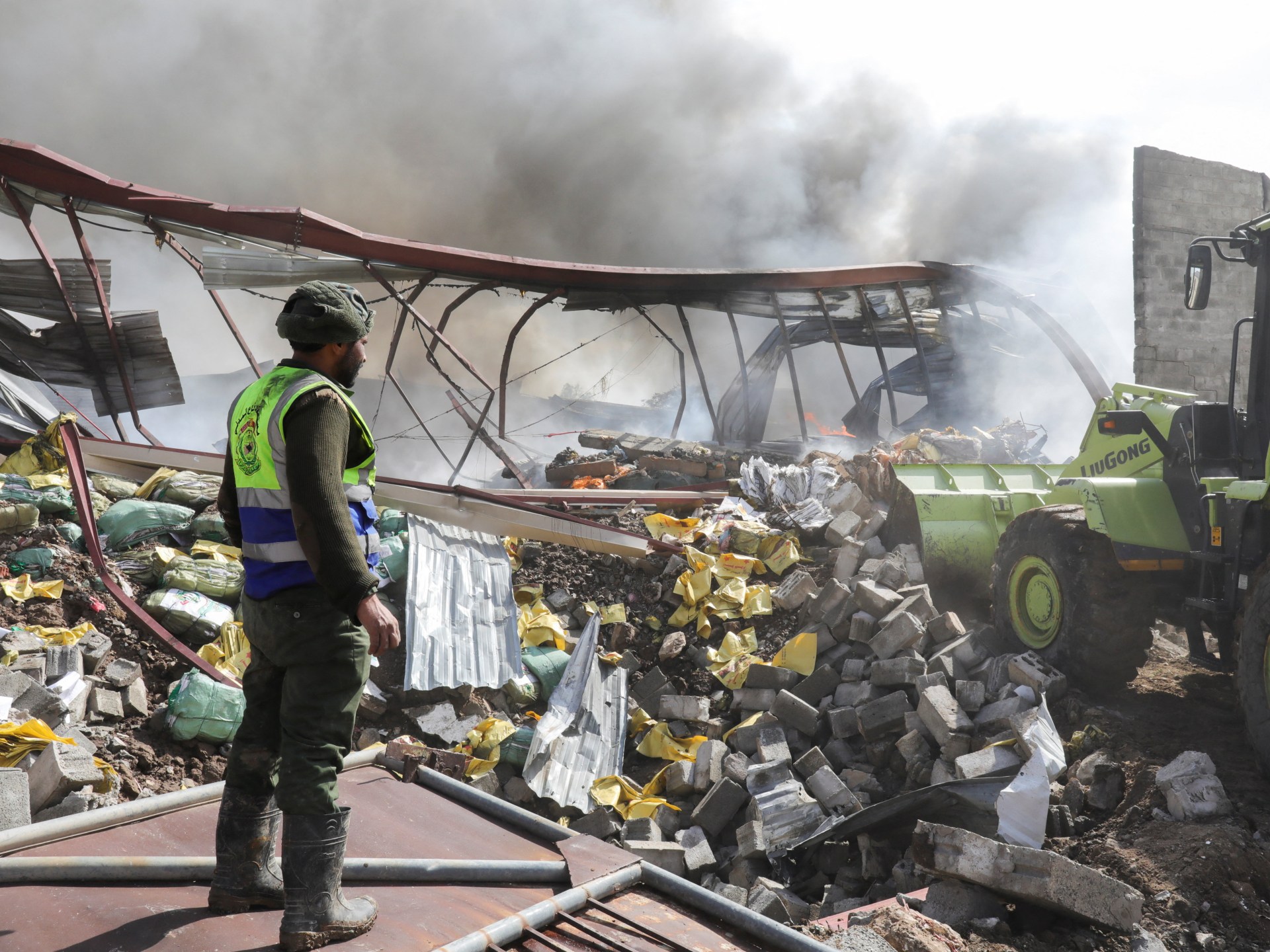
On Saturday, Yemeni government forces, supported by the Saudi-led coalition, launched multiple air strikes on Houthi-controlled territories, causing significant damage and claiming at least 121 lives. Attacks were reported in more than six governorates, including Sanaa, where a gas station was hit in Tahrir district, injuring 13 people, three of them critically. The Houthis reported another air attack that killed a man and his wife in their home. Additional targets included a fuel station in Bani Matar, the southern city of Taiz, and the strategic city of Mocha along the Red Sea coastline.
The intensified offensive comes amidst escalating violence in Yemen over the past few months. Colonel Majed al-Nuzaili, military spokesman for the government forces, claimed that 121 Houthis were killed or wounded during 726 attacks carried out by government forces within a 24-hour period. Fighting is ongoing in several provinces, including Ma’rib, al-Jawf, Taiz, Lahij, Shabwah, Midi, and al-Dhale. Houthi-affiliated media reported that an air strike by the Saudi-led coalition killed 11 civilians, mostly children, in al-Turbah, Taiz governorate. However, these casualty figures could not be independently verified, and coalition forces did not comment on the matter.
The renewed violence has exacerbated an already dire humanitarian crisis in Yemen, with thousands displaced and prices of essentials skyrocketing. Aid groups have warned that the crisis is worsening, particularly in government-held areas, due to dramatic aid cuts by donors like the United States and other Western countries over the past year. The World Food Programme and the Food and Agriculture Organization have stated that Yemen is among nations facing the gravest risk of food insecurity, with hunger likely to worsen over the next six months.
The ongoing violence has also made it increasingly difficult for aid workers to access and monitor Houthi-held areas, as the Houthis continue to hold 73 UN staff members. The siege-like conditions surrounding the city of Taiz have further complicated humanitarian efforts. A UN assessment earlier in February found that more than half the population across Yemen -18.3 million people – are in crisis or worse. The intensified conflict and looming hunger crisis demand urgent attention from the international community to prevent a catastrophic humanitarian disaster in Yemen.