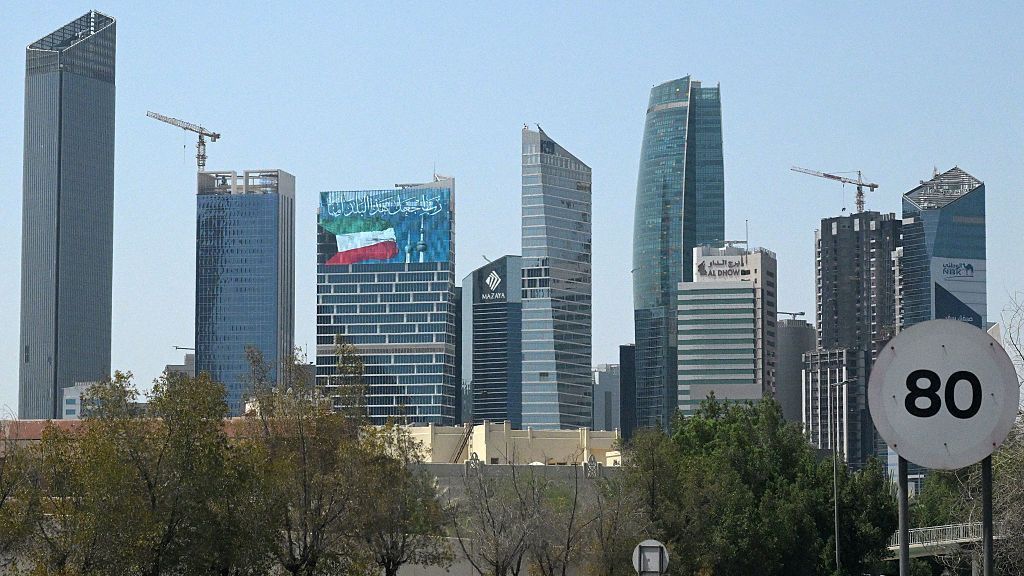
In a significant development, Kuwait and Bahrain have reported repelling Iranian air attacks overnight, marking the first such incident in over two months. The attacks come after the United States launched strikes against an Iranian island, Qeshm, in the Gulf of Hormuz. According to US military officials, these actions were in response to perceived Iranian aggression targeting US personnel and assets. The escalation has raised concerns about a potential major escalation in the nine-month-old conflict that began with US and Israeli attacks on Iran in late February.
The recent series of attacks have directly threatened the security and stability of regional states, including Kuwait, Bahrain, and the United Arab Emirates. The Iranian army has alleged that it targeted the Ali Al Salem Airbase in Kuwait, which hosts US forces, but Kuwaiti authorities did not report any damage. Meanwhile, Bahrain reported intercepting and destroying several Iranian aerial attacks on its territory. Qatar, which has been mediating in stalled indirect talks between Iran and the US, condemned these attacks as a dangerous escalation that could complicate efforts aimed at containing tensions.
The Strait of Hormuz, through which a fifth of global oil and gas shipments usually pass, has become a hotspot for conflict. In a separate development, the Abu Dhabi National Oil Company (Adnoc) reported a search-and-rescue operation for a missing sailor following an attack on one of its vessels in the Strait of Hormuz. Iran has been accused of attacking dozens of commercial vessels in and around the strait, leading to at least 25 seafarer deaths since the start of the conflict.
The US and Iran have reached preliminary agreements to end the conflict and reopen the Strait of Hormuz, but these agreements have collapsed due to continued Iranian attacks on shipping and US reinstatement of its blockade. The current situation in the Gulf highlights the complex web of geopolitical tensions and potential for further escalation in the region.