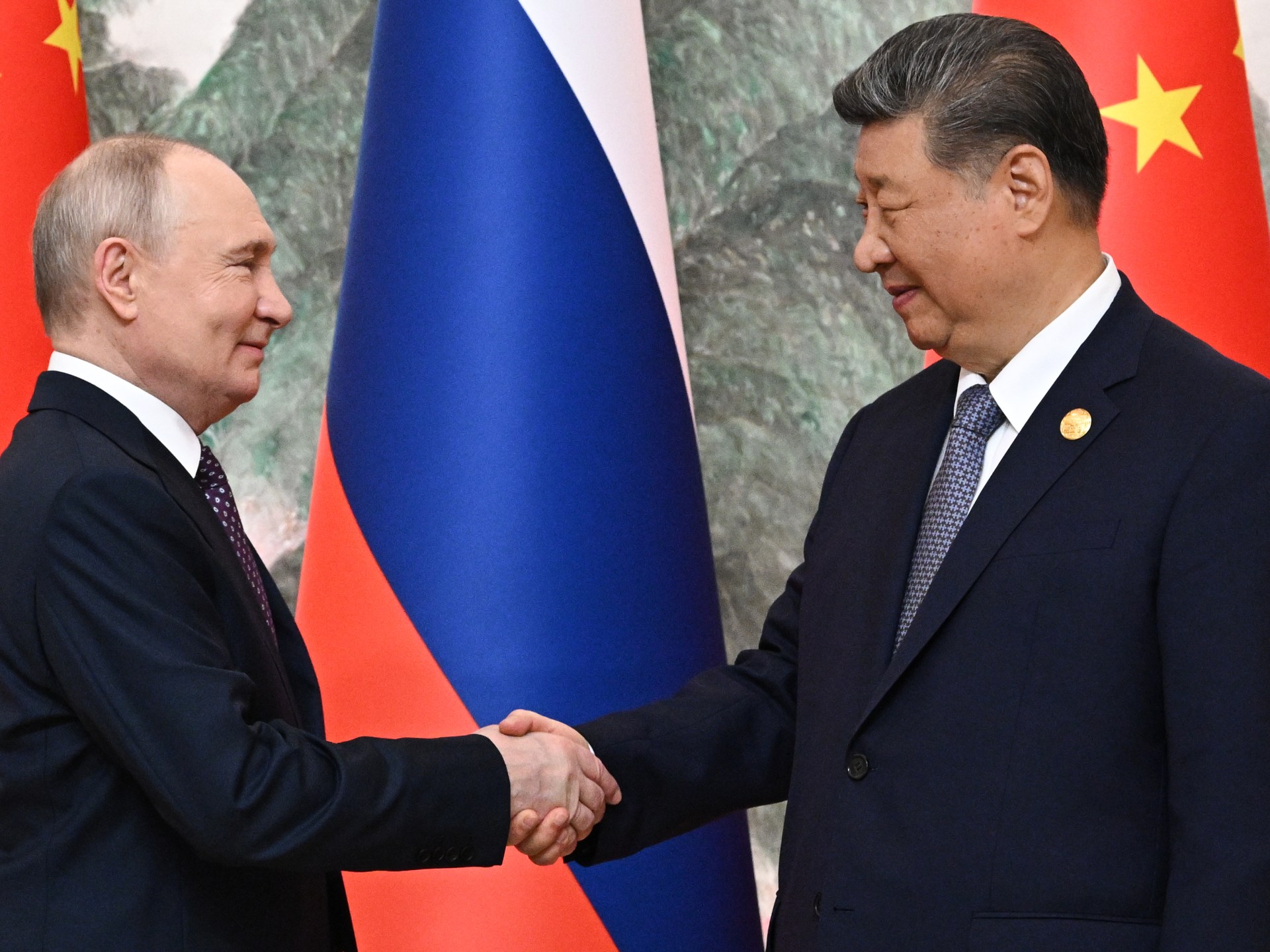
During a meeting on the sidelines of the Asia-Pacific Economic Cooperation (APEC) summit in Shenzhen, Chinese President Xi Jinping and Russian President Vladimir Putin discussed the need for Beijing and Moscow to lead the transition towards a multipolar world. Xi emphasized the importance of fostering a more fair and equitable global order, while Putin critiqued Western powers, particularly Europe, for their alleged decline. The Russian leader contended that traditional methods of economic dominance have lost effectiveness and are no longer intimidating.
The discussions between Xi and Putin occurred against the backdrop of ongoing Western sanctions imposed on Russia due to its conflict with Ukraine. Both leaders expressed a desire to maintain close ties amidst global uncertainty, with China remaining Russia's primary trading partner and supplying essential energy resources. According to reports, Putin criticized European countries for imposing sanctions on Russia.
At the APEC summit, Putin was treated as a guest of honor, signifying his growing influence in the Asia-Pacific region. However, professor Robert Kelly cautioned that finding common ground among the leaders of China, the US, and Russia could prove challenging due to their differing expectations and objectives. One potential area for cooperation is nuclear arms control, with Kelly suggesting that a trilateral agreement could help alleviate tensions and reduce the risk of an arms race.
APEC, established in 1989, consists of 21 member countries accounting for over half of global GDP and representing approximately 2.7 billion people. This year's summit will address various issues, including artificial intelligence (AI) and trade, two areas where the US and China hold significant influence. A key concern for APEC members and the wider world is the ongoing trade truce between Washington and Beijing, with discussions centering on whether it will be extended beyond January.