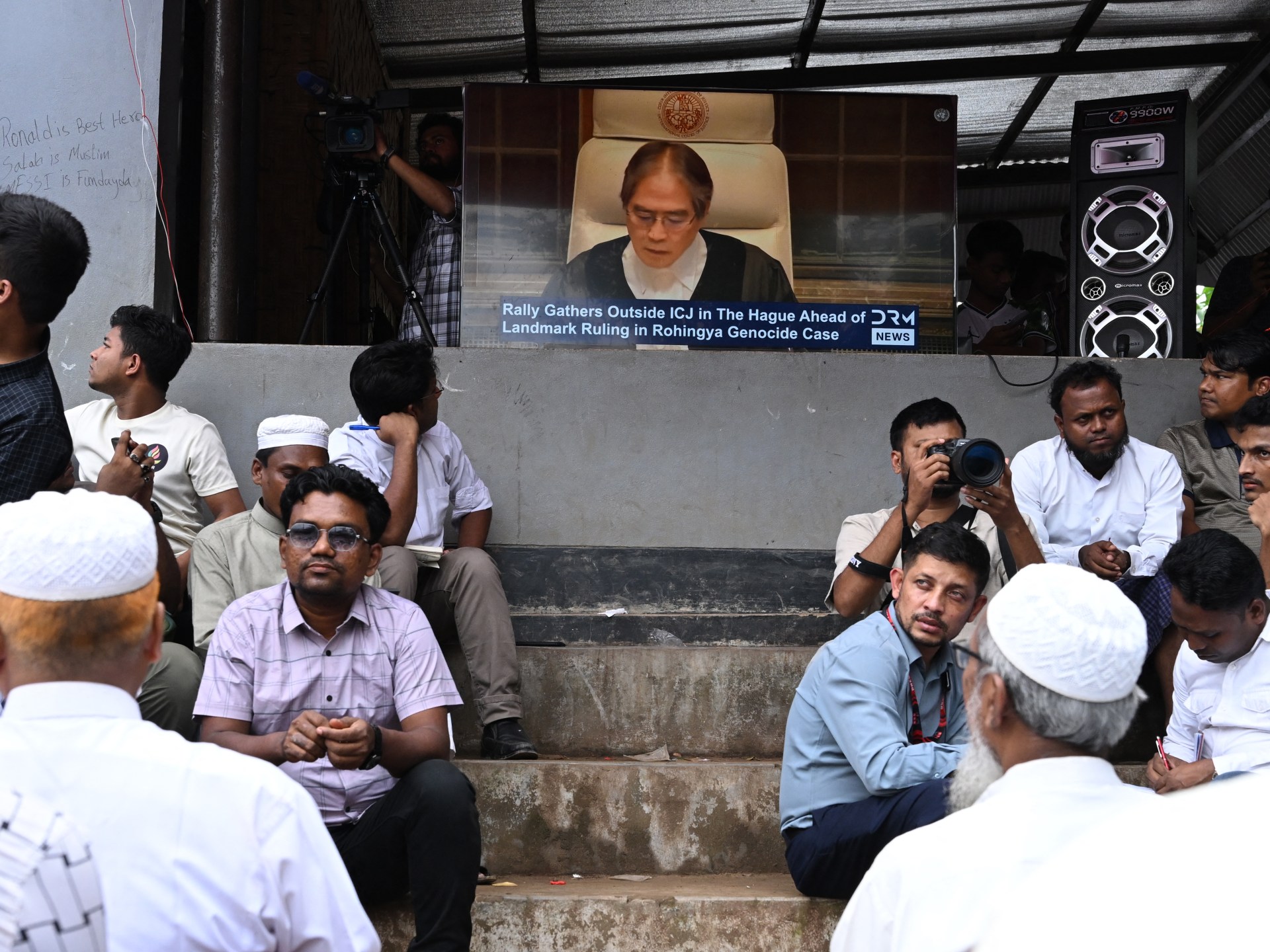
The International Court of Justice (ICJ) in The Hague has rendered a historic verdict on Thursday, finding Myanmar responsible for committing genocide against the predominantly Muslim Rohingya minority in 2017. This is the first time a state has been held accountable for such crimes under the ICJ. The case was filed by Gambia in 2019 and has been closely monitored by various governments, legal bodies, rights groups, and Rohingya communities for its implications under the 1948 Genocide Convention.
The National Unity Government, which includes remnants of former leader Aung San Suu Kyi’s National League for Democracy party, has expressed respect for the ICJ's authority and judgement. They pledged to consider the court's findings and orders, reaffirming their commitment to accountability and preventing further atrocities.
The Gambia, which initiated the case against Myanmar in November 2019 with the support of the Organisation of Islamic Cooperation (OIC), welcomed the ruling with "profound satisfaction." The Gambian government emphasized the shared responsibility among all states party to the 1948 Genocide Convention to prevent and punish genocide, urging Myanmar to comply with the judgement promptly.
Antonio Guterres, United Nations Secretary-General, described the ruling as a "demonstration of international justice," reaffirming that impunity for such heinous acts must not be tolerated. Volker Turk, UN High Commissioner for Human Rights, stated that the judgement clearly establishes Myanmar's responsibility for one of the most egregious crimes known to humanity.
The OIC commended the ICJ’s judgement, stating it offers "redress for victims and upholds the principle of no impunity." The United Kingdom announced the expulsion of Myanmar's defense attache and summoned the country's charge d'affaires in response to the ruling. Ed Miliband, UK Foreign Secretary, called for an urgent UN Security Council session to discuss the verdict, with further measures expected to ensure accountability.
Yanghee Lee, a prominent human rights activist, described the day as "emotional" for Rohingya people, while Nay San Lwin and Wai Wai Nu, Rohingya activists, emphasized that justice for the Rohingya means the restoration of their citizenship, recognition of their identity, and their safe and dignified return home.
The human rights group Amnesty International hailed the ruling as a "historic and authoritative recognition of the atrocities committed against the Rohingya" and a rare moment of justice for survivors, victims, and their families. Maria Elena Vignoli, an advocate for the Rohingya, welcomed the court's decision as a "long-awaited recognition of the suffering the Rohingya have endured from Myanmar’s military."