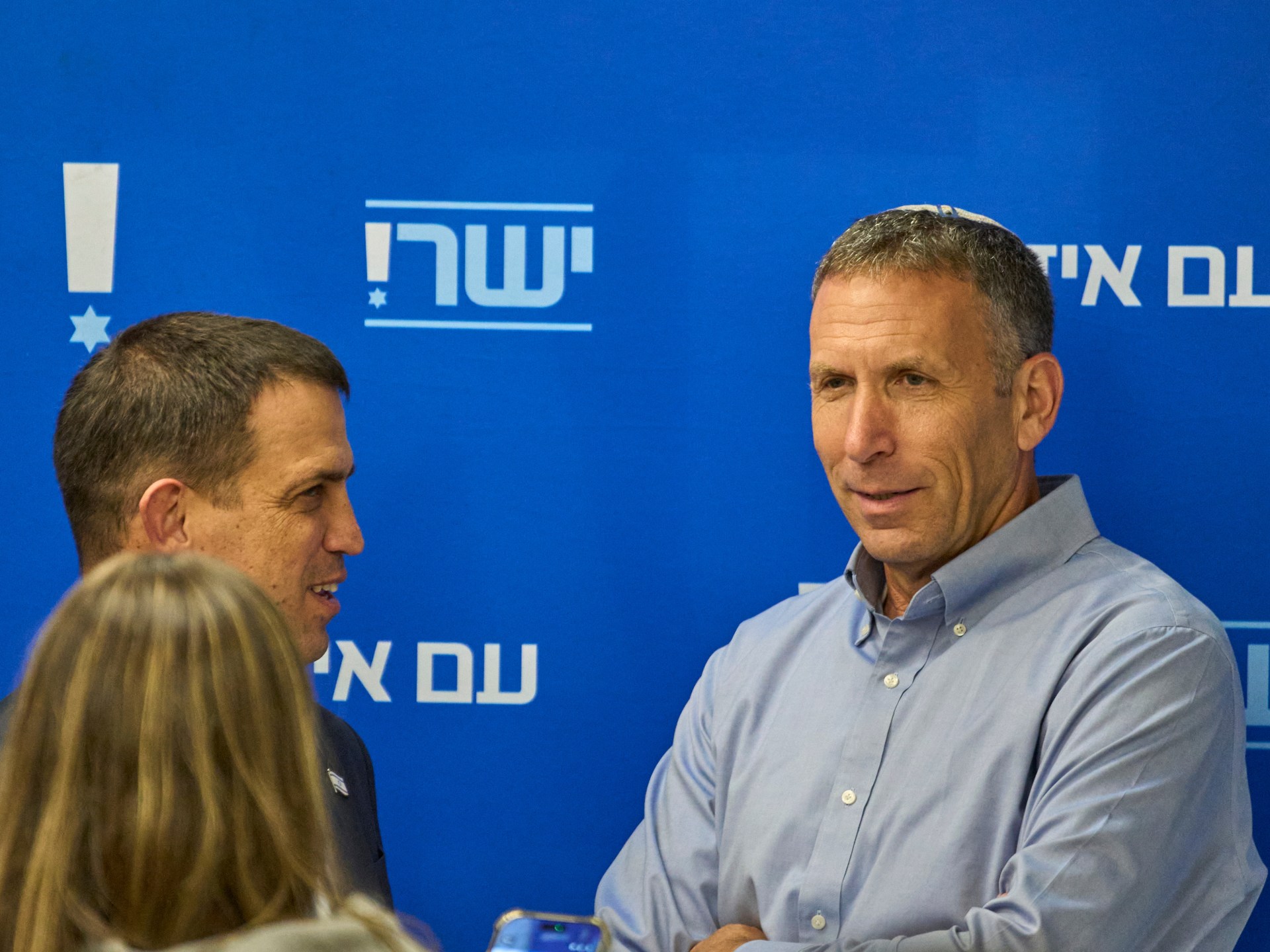
In a significant development for the political landscape of Israel, Matan Kahana, an ally of Gadi Eisenkot, has been elected as the new parliament speaker. The election marks a step towards potentially reversing domestic policies from the outgoing government led by Benjamin Netanyahu. Kahana secured 66 votes in the 120-member chamber on Tuesday, while Ofir Katz, Netanyahu's Likud party candidate, received 52 votes after a heated debate that lasted for seven hours. As the parliament speaker, Kahana is expected to initiate processes to undo much of Netanyahu's domestic agenda, particularly contentious reforms concerning the judiciary.
The elections took place weeks after the October 27 parliamentary elections, in which neither Eisenkot nor Netanyahu secured a majority in the Knesset. Since then, the two blocs have been engaged in a series of exchanges. Eisenkot's wide-ranging bloc secured 48 seats, while Netanyahu's finished with 53. Two Arab-majority slates won an unprecedented 19 seats, fueled by anger over Netanyahu's hard-right government. On Tuesday, these lists voted for Eisenkot's candidate Kahana as parliament speaker, with one Arab Knesset member absent.
With Kahana at the helm and if Eisenkot retains the backing of the Arab-Israeli parties, he has an opportunity to deal significant blows to Netanyahu’s legislative agenda even before a possible government is formed. Eisenkot has expressed his intent to rescind sweeping reforms that were advanced by Netanyahu, which aimed to reduce the independence of the judiciary. He also plans to quickly set up a state commission of inquiry to investigate security failures that led to Hamas’s attack.
Netanyahu, Israel's longest-serving prime minister, has refused an independent probe into these matters, instead proposing one whose members would be chosen by politicians. This move is seen as a potential point of contention between the two parties moving forward. Kahana, who is now a member of Eisenkot's Yashar party, served as minister for religious services in a short-lived non-Netanyahu government in 2021 and 2022, during which he clashed with ultra-Orthodox Jews by seeking to reduce the power of the Chief Rabbinate. Kahana himself is an observant Jew, part of Eisenkot's efforts to form a broad coalition that ranges from secular liberals to religious conservatives. As parliament speaker, Kahana succeeds Amir Ohana, a Netanyahu ally who has held the position since 2022.