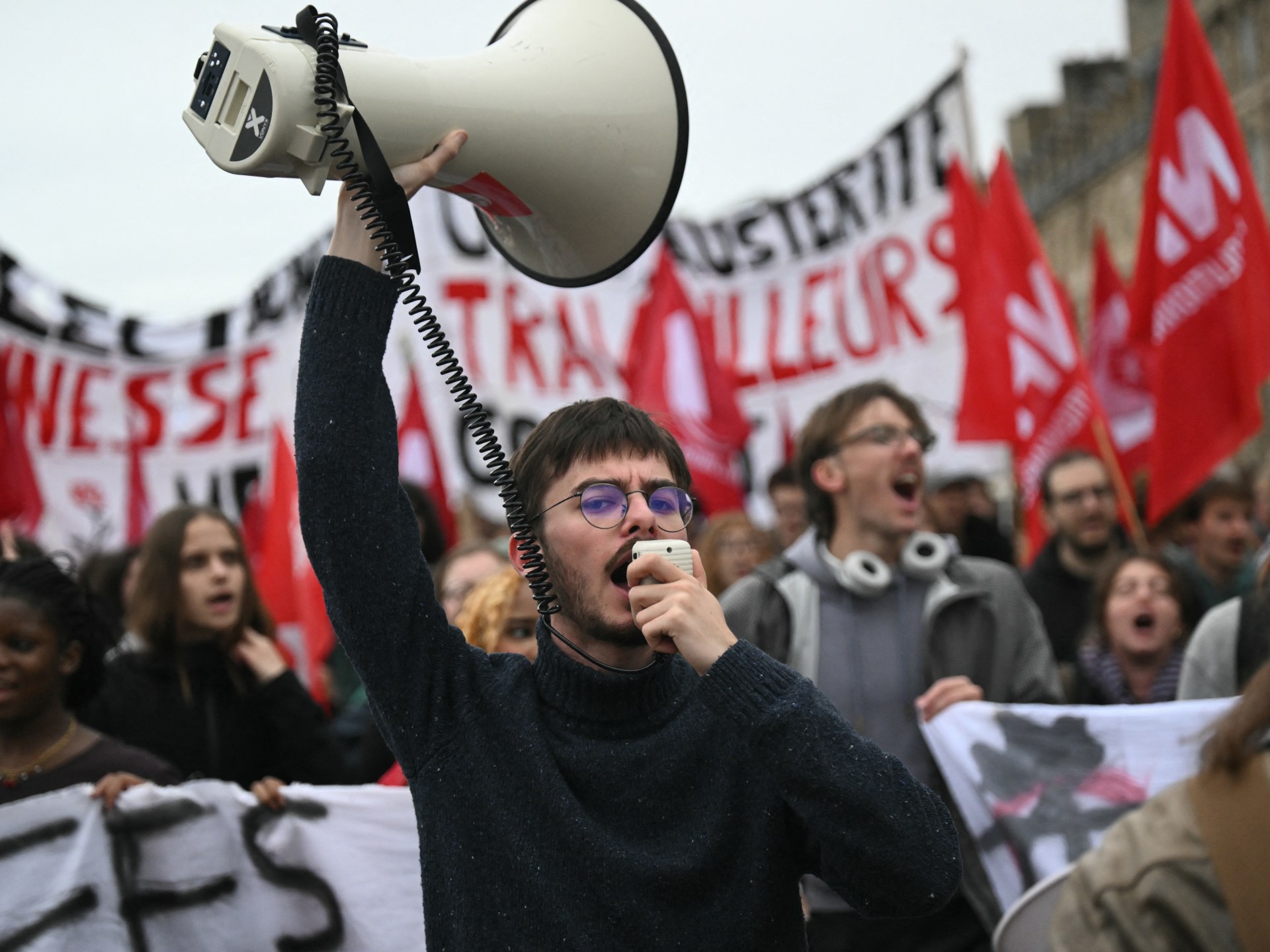
In a show of dissent against the rising cost of living, more than 500,000 people took to the streets across France on Tuesday, according to trade unions. The Interior Ministry reported a lower turnout of 146,000 protesters, with 28,000 in Paris alone. These demonstrations were led by public sector workers demanding pay raises and were the third such call for united action since September.
The protests stem from failed negotiations between union representatives and Prime Minister Sebastien Lecornu on Friday. The unions argue that the proposed measures do not adequately address the urgency of the pay situation, leaving public servants with a loss of purchasing power of 16 percent since 2017. In response to the increased minimum wage for private-sector workers last week, unions are pushing for across-the-board pay rises.
The French government, financially constrained by a ballooning debt and attempting to push through a budget with cost-cutting measures, has ruled out any general pay rise for the fourth consecutive year in its draft budget. Protesters demand that the government unfreeze the pay scale point used to calculate their basic salary. However, the government insists on fiscal responsibility given France's financial situation.
The protests have been ongoing for over a month and have expanded beyond education reforms to include issues like high fuel prices, wages, and social housing. Similar protests calling for higher wages, lower costs of living, and better public services have also spread across Europe.