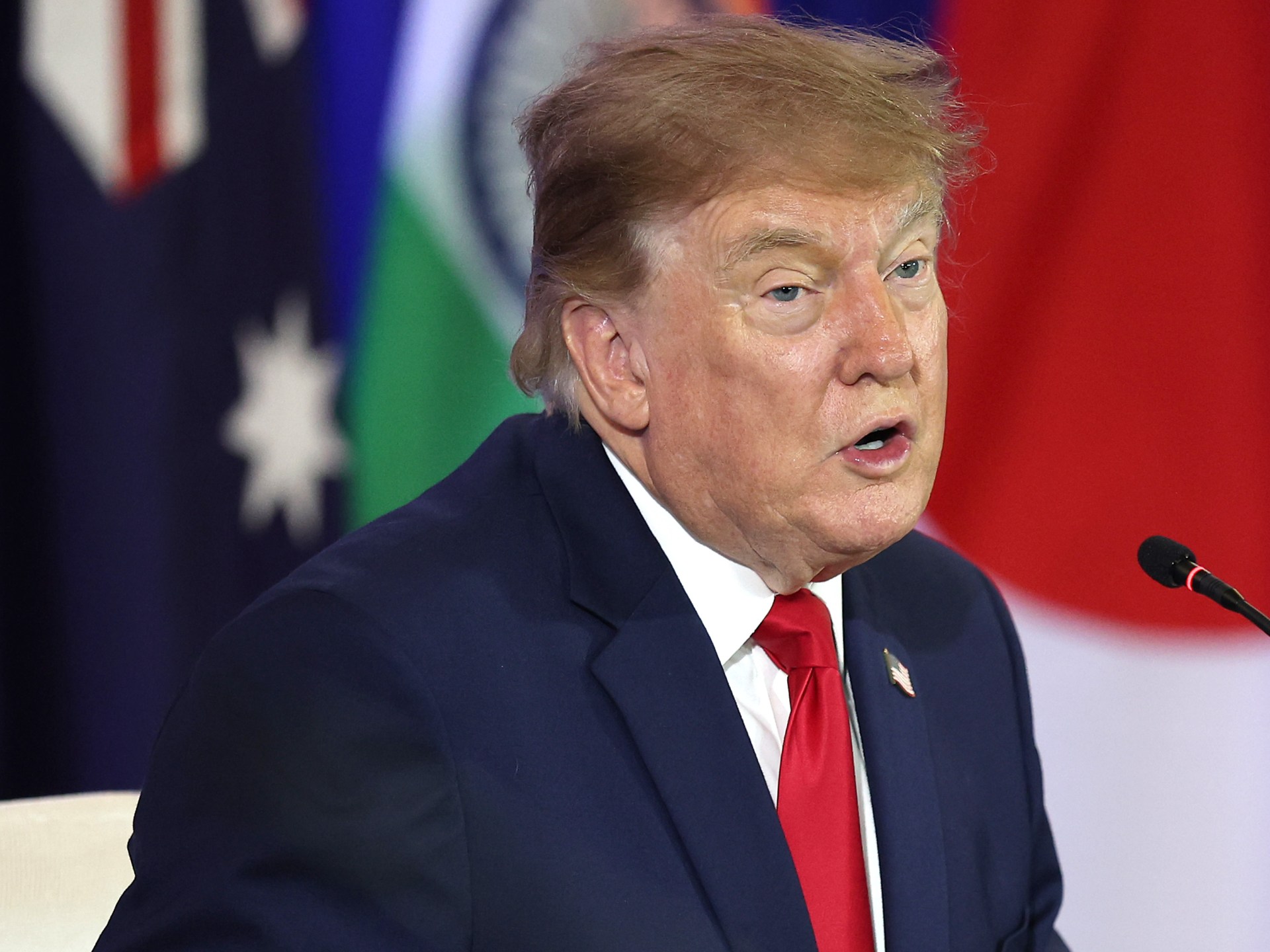
In a strong rebuke to President Donald Trump's recent remarks, the largest Muslim civil liberties organization in the United States, the Council on American–Islamic Relations (CAIR), has expressed concern over Trump's consideration of labelling CAIR as a "terrorist" group. The White House's proposed designation comes amidst rising concerns about hate crimes against American Muslims, a matter that CAIR believes should be the administration's primary focus. On Monday, Trump hinted at potential action against both the Muslim Brotherhood and CAIR, stating, "CAIR is another one we are watching." The organization has responded by asserting its readiness to defend its civil rights work and the broader American Muslim community from any attempts to suppress free speech or undermine the rule of law.
In addition to criticizing Trump's comments, CAIR also drew attention to several recent violent attacks against the Muslim community across the US, citing incidents such as the murder of three American Muslims at a mosque in San Diego and firebombings of multiple mosques in Minnesota. The organization's advocacy for justice and its outspoken stance on these issues have reportedly attracted criticism from anti-Muslim and anti-Palestinian extremists.
Trump's comments about the Muslim Brotherhood and CAIR were made during a press exchange outside the White House, following a question about Egypt's crackdown on the Muslim Brotherhood. Trump praised Egypt, where the Muslim Brotherhood originated, for its efforts against the group, indicating that he had requested such action. The Trump administration earlier this year designated the Muslim Brotherhood chapters in Lebanon, Jordan, and Egypt as foreign "terrorist" organizations.
CAIR's call for the White House to address violence against American Muslims instead of attacking the rights group comes at a time when religious tensions are running high both domestically and internationally. The organization's stance underscores the importance of protecting civil liberties and upholding the rule of law in the face of rising hate crimes and political polarization.