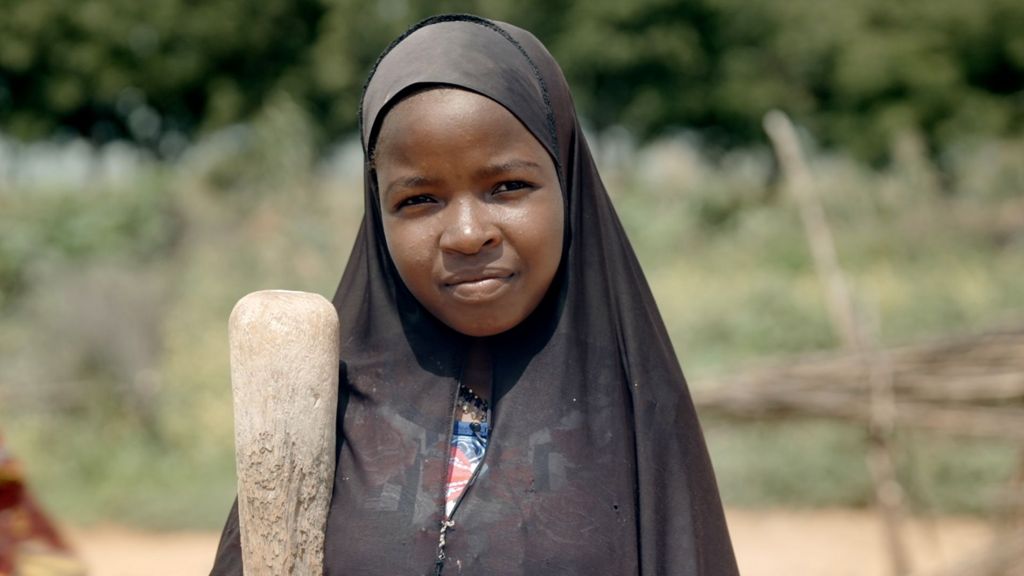
In a bid to bridge the education gap in West Africa, the BBC World Service has launched Dars Hausa, an educational program teaching English, math, and science to out-of-school children. The initiative targets regions where Hausa is predominantly spoken, including northern Nigeria, Niger, Cameroon, and other parts of West Africa. This innovative approach aims to reach millions of children who are denied access to education due to factors such as poverty, child marriage, and displacement.
15-year-old Hadiza, one of the many affected, recounts her harrowing experience of being abducted from her village by armed men, followed by forced marriage at the age of 13. Her story is echoed by another young girl, Rukayya, who was displaced due to bandit attacks and now spends her days gathering firewood and begging to feed her siblings. Both Hadiza and Rukayya are among the nearly 19 million Nigerian children missing out on an education, as per Unesco's estimates from 2024.
The reasons for this educational crisis in Nigeria are multifaceted, ranging from societal traditions ending a girl's education upon marriage to poverty forcing children to work instead of attending school. The Dars Hausa program seeks to address these challenges by delivering lessons via social media, local television partnerships, and radio, capitalizing on the high radio penetration rate in Nigeria and the region.
The program faces several hurdles, including insufficient funding for schools, lack of teachers and classrooms, and fears instilled by bandit attacks that have displaced thousands of children from their homes. The Nigerian government acknowledges the crisis but admits that proper investment and oversight have been lacking, with some states failing to recruit teachers for up to eight years. Despite these challenges, initiatives like Dars Hausa offer a glimmer of hope for Nigeria's out-of-school children, working towards a future where education is accessible to all.