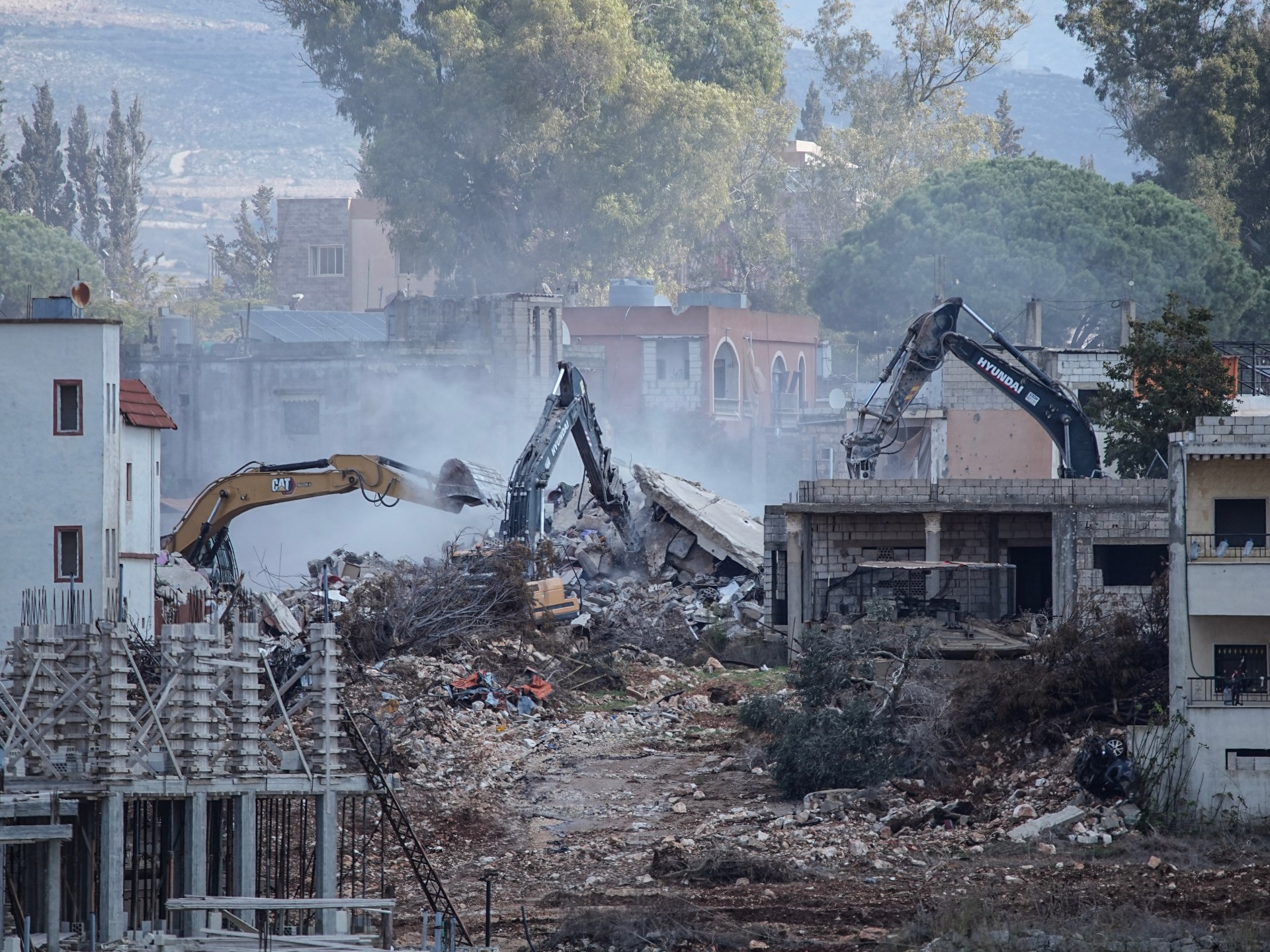
A World Bank official has expressed concerns over the slow pace of Lebanon's reconstruction efforts, with international aid funds yet to make significant impact on the rebuilding of areas devastated during the 2024 Israel-Hezbollah war and subsequent fighting since March 2026. Anna Bjerde, World Bank managing director of operations, acknowledged the sluggish progress during a visit to southern Lebanon, where only $4.2 million out of an approved $250 million has been disbursed so far. The delay is attributed to parliamentary ratification hurdles and the worsening security situation caused by Israel's continued occupation of southern Lebanon and ongoing attacks.
The Israeli military has persistently occupied and attacked parts of southern Lebanon since March 2026, reportedly targeting Hezbollah infrastructure while destroying civilian homes in towns such as Baraachit, Beit Yahoun, Rashaf, Sarbine, Zawtar ash-Sharqiyah, and Haddatha. The ongoing conflict has displaced at least 304,500 Lebanese citizens and resulted in the death of up to 4,500 people, according to UN estimates. Hezbollah recently announced it will provide financial aid to families whose homes have been destroyed or rendered uninhabitable by Israel, accusing the government of failing in its duty to assist the displaced.
Israel refuses to withdraw from southern Lebanon, citing security concerns related to the delayed disarmament of Hezbollah and other groups, as demanded by the United States and the Lebanese government as part of a trilateral ceasefire framework. The Israeli Defense Minister, Israel Katz, has stated that Israel will not withdraw from current security zones or redeploy its forces, and is prepared to seize additional territory if tensions escalate.
The World Bank projects Lebanon's economy to shrink by 6.4 percent this year, amidst the ongoing conflict and damage to housing and infrastructure. The UN Food and Agriculture Organization, the World Food Programme, and Lebanon’s Ministry of Agriculture jointly reported that more than one million people in Lebanon are facing crisis levels of hunger, amounting to approximately 21 percent of the recorded population. Despite these challenges, Lebanon's western-backed government maintains it is doing all it can under the circumstances, distributing approximately $100 million in housing loans to 1,500 families, according to local reports. The World Bank remains committed to overseeing the reconstruction process closely to ensure progress and avoid letting down the affected population.