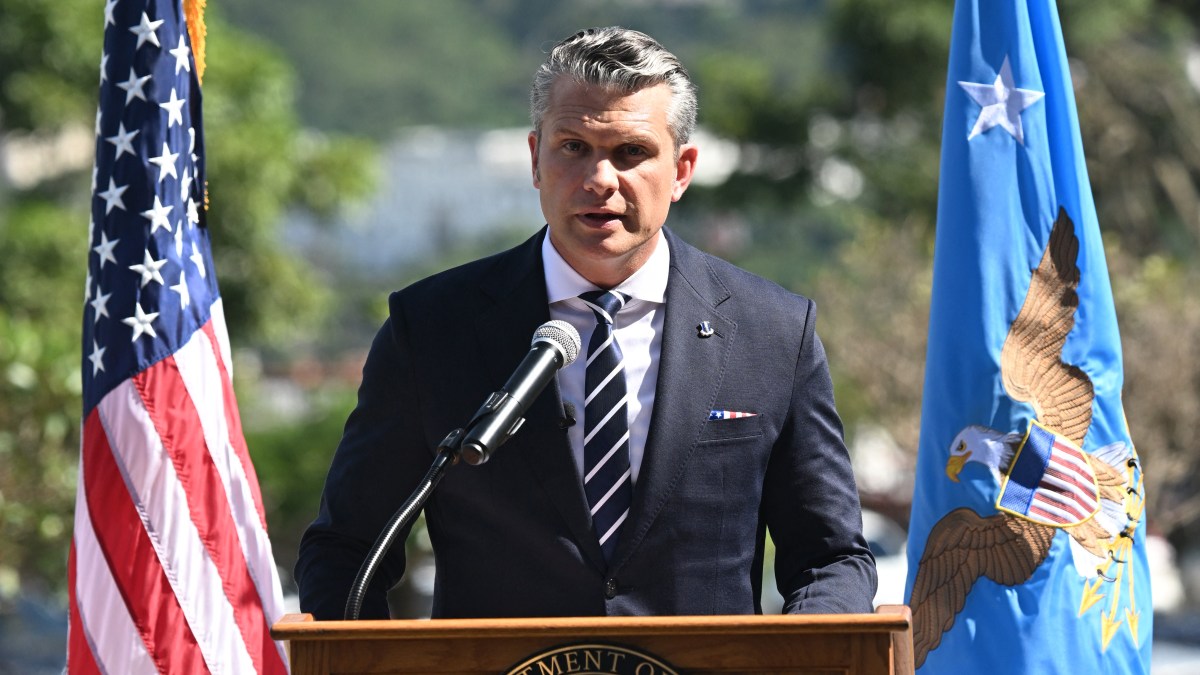
In a surprising development, United States Defense Secretary Pete Hegseth disclosed plans for a new defense agreement between the U.S. and Venezuela's interim government during a recent visit to Caracas. The purpose of this collaboration is to facilitate joint military training and intelligence sharing between the two nations. According to Hegseth, the aim is to strengthen Venezuela's security and eradicate drug-related criminal activities in the country. This announcement follows a series of high-level visits by U.S. officials under President Donald Trump to South America. Interim President Delcy Rodriguez, who has been leading the government since her inauguration on January 5, hosted Hegseth during his visit. The trip was not previously announced by the Pentagon.
The agreement comes amidst increased U.S. influence over Rodriguez's government, following the abduction of former President Nicolas Maduro during a military attack on January 3. Critics have accused the U.S. of reducing Venezuela to a vassal state and exploiting its resources while leaving Maduro's government largely intact. Under Maduro, the Venezuelan state was accused of human rights abuses including torture, arbitrary imprisonment, and extrajudicial killings. However, Trump has held up Venezuela as a model he would like to see replicated in other countries such as Iran and Cuba.
Hegseth's visit also included a meeting with Colombian Defense Minister Jorge Eduardo Mora, where it was reported that the U.S. will deliver a C-130 Hercules military aircraft. This move is part of an escalating U.S. military involvement across Latin America. Hegseth has faced pressure to step down from his role due to his advocacy for the U.S.-Israel war on Iran and alleged violations of rules of engagement designed to limit civilian casualties.
In a statement, Hegseth described Venezuela as transforming from an aggressive regional threat into a compliant security partner. Rodriguez expressed hope that their cooperation could be brought to its highest possible level. The implications of this new military partnership remain to be seen and are subject to ongoing debate among global political observers.