Venezuela has announced its intention to repeal a contentious law that prevented opposition figures from holding public office, as revealed by National Assembly Chief Jorge Rodriguez. The legislation, enacted in 2024 and heavily criticized for facilitating political persecution, targeted those who advocated or supported sanctions against the nation. Rodriguez stated that the law was a response to a particular moment in Venezuela's history. The decision comes a month after opposition leader Maria Corina Machado returned from exile, creating significant waves in Venezuelan politics. Notably, Machado had won an opposition primary in 2023 to challenge then-incumbent Nicolas Maduro in the subsequent year's election; however, she was barred from running due to legal restrictions. The repeal of this law is part of a broader political transition dialogue between the US-backed government and selected opposition factions, which had previously agreed to review several laws.
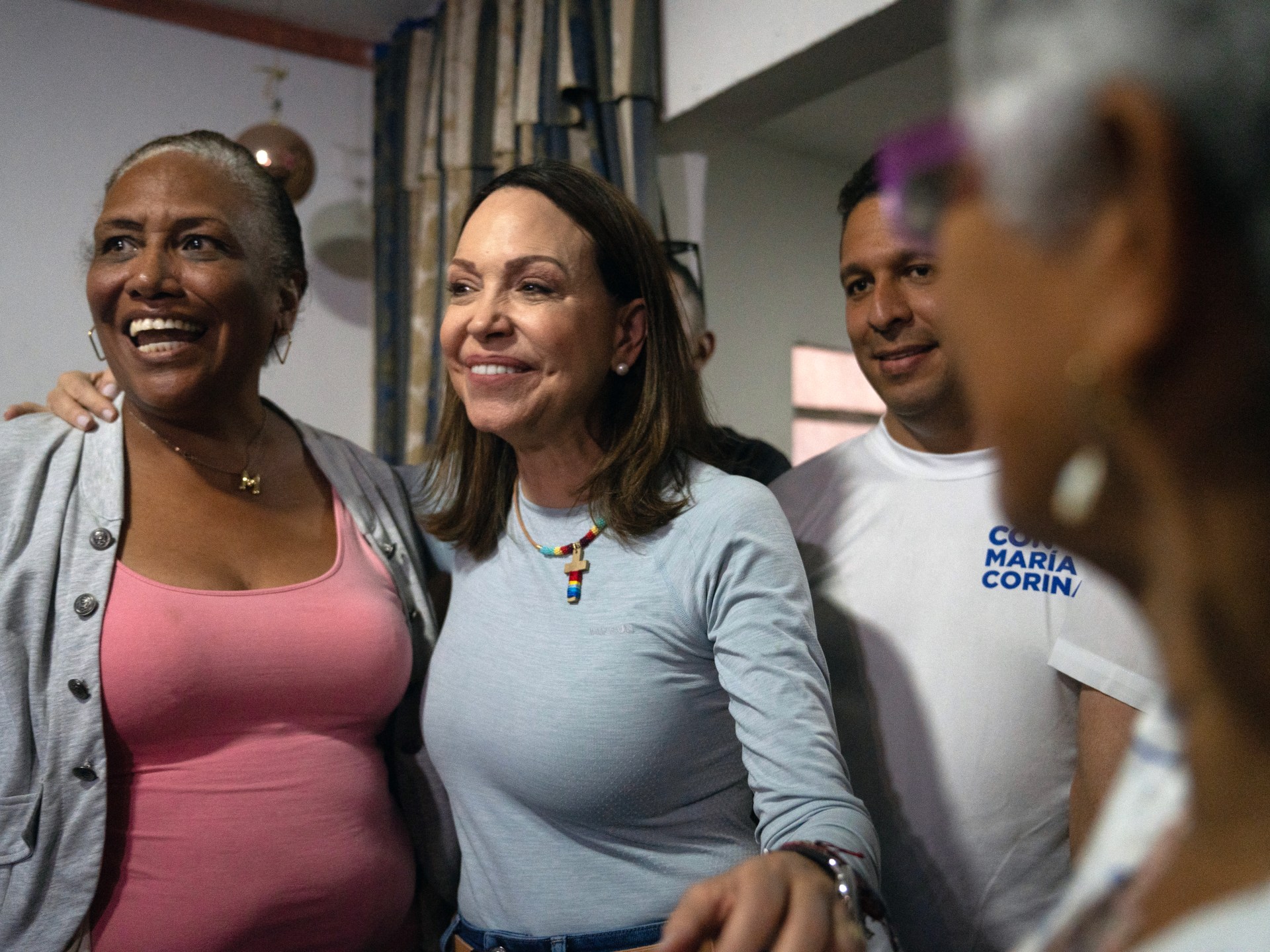
In September, Delcy Rodriguez, the parliamentary chief's sister and head of an interim government since Maduro's alleged abduction by US forces in January, promised free and fair elections at the United Nations without setting a date. Since then, negotiations have been ongoing between the government and certain opposition groups. The repeal of this law is among the agreements reached during these discussions, according to Jorge Rodriguez. Maria Corina Machado, who is expected to run for office if elections are held, launched a system of neighborhood assemblies on Thursday aimed at gathering proposals for future government programs and democratic transition strategies. These assemblies are projected to engage over a million people over several months, as per Machado's team.
The assemblies pose nineteen questions covering national issues such as election dates, modifications to the justice, education, health, wage, and pension systems, as well as the roles of public and private sectors. The meetings, held both in Venezuela and abroad on the initiative's first day, drew approximately 2,000 participants, according to Machado's team. Responses from these discussions will be compiled on a digital platform for future consideration.