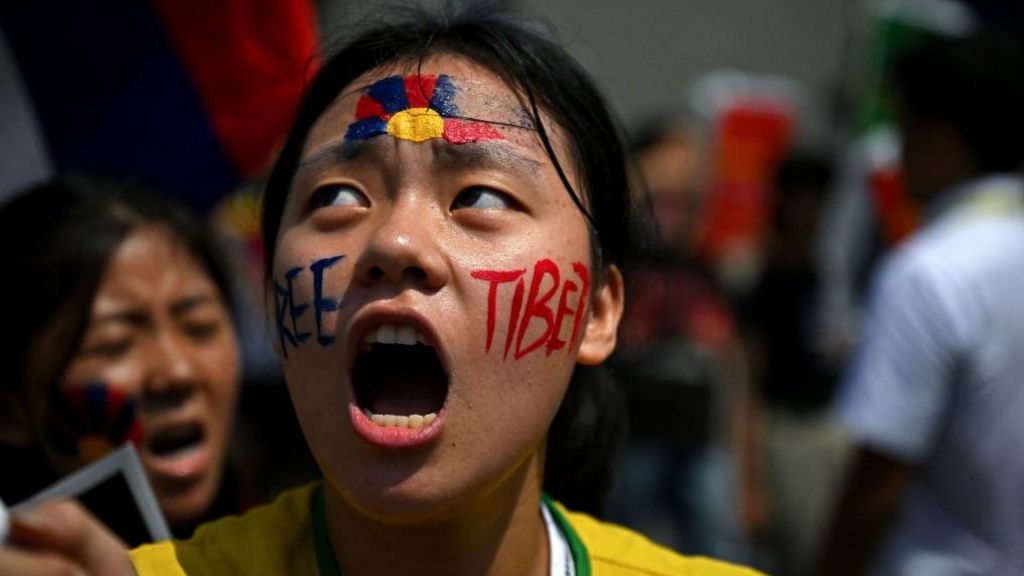
For Uyghur activist Dolkun Isa, who has lived in exile in Germany for nearly three decades, the diminishing numbers of protesters is a stark reminder of how his cause is fading from global focus. In 2018, mass protests against China's human rights violations in Xinjiang could easily draw thousands. Today, finding even 500 participants has become challenging. This shift coincides with China's growing economic influence and soft power, which critics claim is effectively silencing dissenting voices. China's economic muscle, evident in exports of electric vehicles, solar panels, AI models, and consumer goods across the globe, has earned it respect and reshaped foreign policy. Meanwhile, Western governments have prioritized domestic concerns over human rights issues. At international summits this year, China's human rights record has been conspicuously absent from discussions between Xi Jinping and US President Donald Trump. This evolution in Beijing's image and tactics is alarming for dissidents, as it weakens their networks and undermines the international pressure they hope to build. The cost of confrontation or condemnation is increasingly high, leading some activists to temper their activism out of concern for family members back in China.
China's embassy in the UK denies accusations that it coerces exiles into providing information about their networks and promoting pro-party narratives in return for family reunions, money, and promises of safety. However, Uyghur journalist Arslan Hidayat reports that such incidents are not uncommon among Uyghur exiles he has interviewed. These family visits, often documented on China's official platforms, are viewed as a strategy to build profiles of dissidents abroad. In Turkey, where tens of thousands of Muslim minorities from Xinjiang reside, similar concerns persist.
The UN expressed concern over the tragic self-immolation death of Tibetan activist Lobga Rangzen in July, who protested against China's new "ethnic unity law." However, global attention quickly waned after the incident. Tenzin Dorjee, a researcher at the Tibet Action Institute, believes the world is reluctant to criticize China due to its economic power. This reluctance was evident in Dolkun's attempts to rally support against the same law earlier this year, which met with a muted response. Many activists have scaled back their activism over the years due to fear for their loved ones in China.