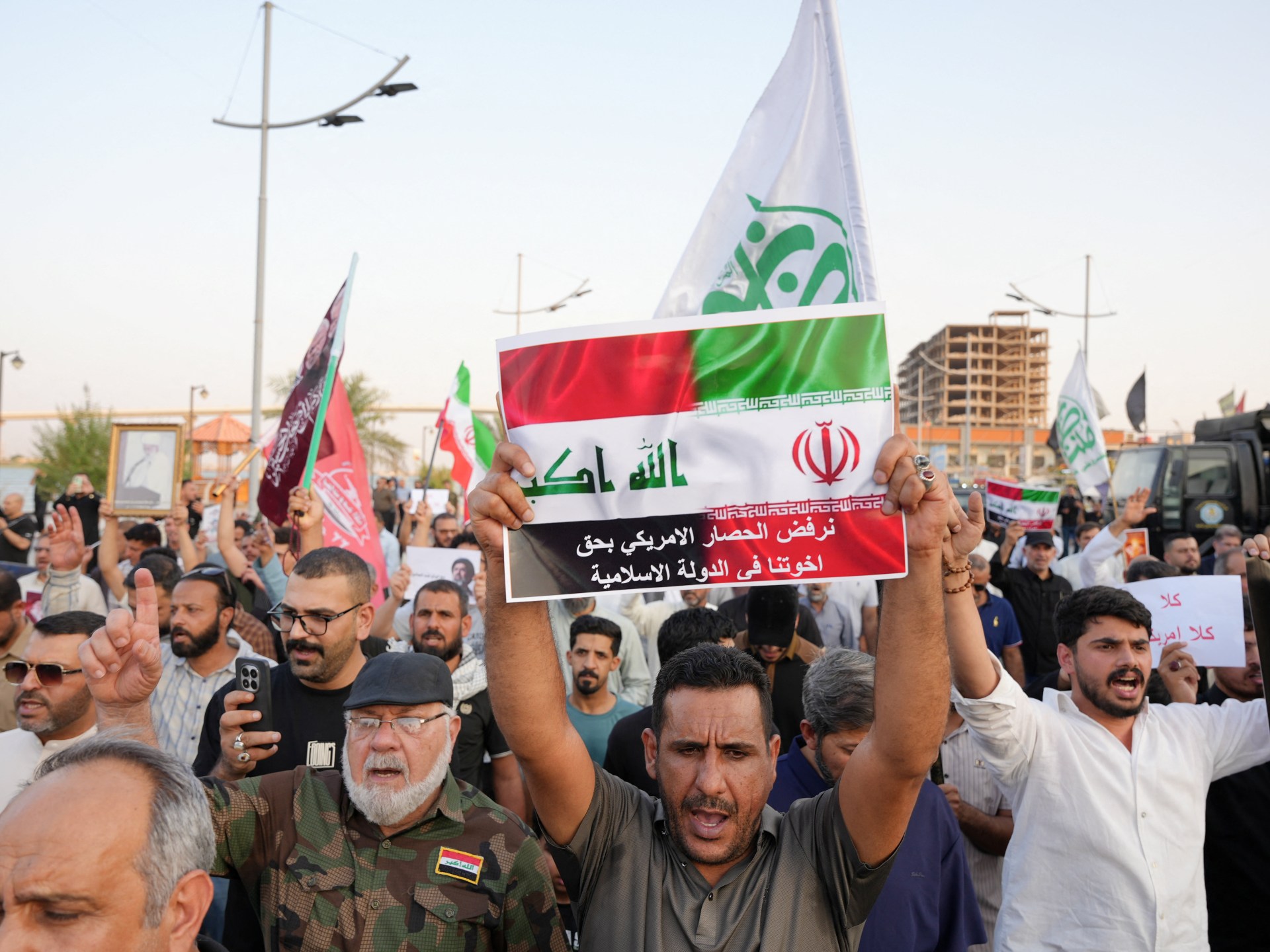
Iran has issued a warning to Iraq, urging it to maintain its sovereignty and independence amidst escalating tensions related to border control and economic relations. The tension arises as Iraq tightens its border controls in an effort to combat oil smuggling, which is part of a broader campaign initiated by the United States. On Saturday, Mohammad Mokhber, an advisor to Iran's Supreme Leader Mojtaba Khamenei, cautioned Iraq against becoming a tool of US President Donald Trump, emphasizing the importance of Iraqi authorities maintaining vigilance over border-related issues. This statement was made during a meeting between Iraq’s national security adviser, Qasim al-Aboudi, and Iranian security chief Mohsen Rezaei in Tehran. Rezaei expressed concern about foreign interference affecting Iran-Iraq economic cooperation and stressed the need for full implementation of the bilateral security agreement. Al-Aboudi affirmed Iraq's commitment to the agreement, ensuring that Iraq would not allow its territory or airspace to be used against Iran or neighboring countries.
The meeting comes as the US attempts to extend its naval blockade on Iran by restricting overland trade. Recently, Iraqi Foreign Minister Fuad Hussein reportedly disclosed that the US Treasury had requested Baghdad to close all but two border crossings with Iran. This prospect is a significant concern for Iranian officials due to the country's increasing reliance on overland trade. The potential closures would leave only two crossings open, one in Iraq’s semiautonomous northern Kurdish region and another under federal government control. In response to Mokhber’s remarks, the Iraqi government spokesperson emphasized respect for neighboring countries' sovereignty but rejected interference in Iraq's internal affairs. The Iraqi delegation's visit to Tehran included discussions on security and the management of the Iraq-Iraq border.
Simultaneously, Iraq has been cracking down on unofficial border crossings, including those in the semi-autonomous northern Kurdish region. This move is part of a broader campaign aimed at combating oil smuggling and bringing several oilfields and border crossings under federal control. According to an Iraqi intelligence report, oil has been smuggled from northern Iraq into Iran, where it is allegedly blended with Iranian oil to circumvent US sanctions. In response, Iraqi authorities have reinforced their presence in oil-rich areas like Kirkuk province to prevent smuggling through unofficial routes, and the Interior Ministry announced plans to construct security fortifications along the Iranian border. The crackdown has drawn support from US President Trump but sparked tensions between Baghdad and the Kurdistan Regional Government, which accuses federal authorities of unconstitutional actions. Federal and Kurdish leaders are scheduled to meet in Baghdad on Tuesday to address these disputes.