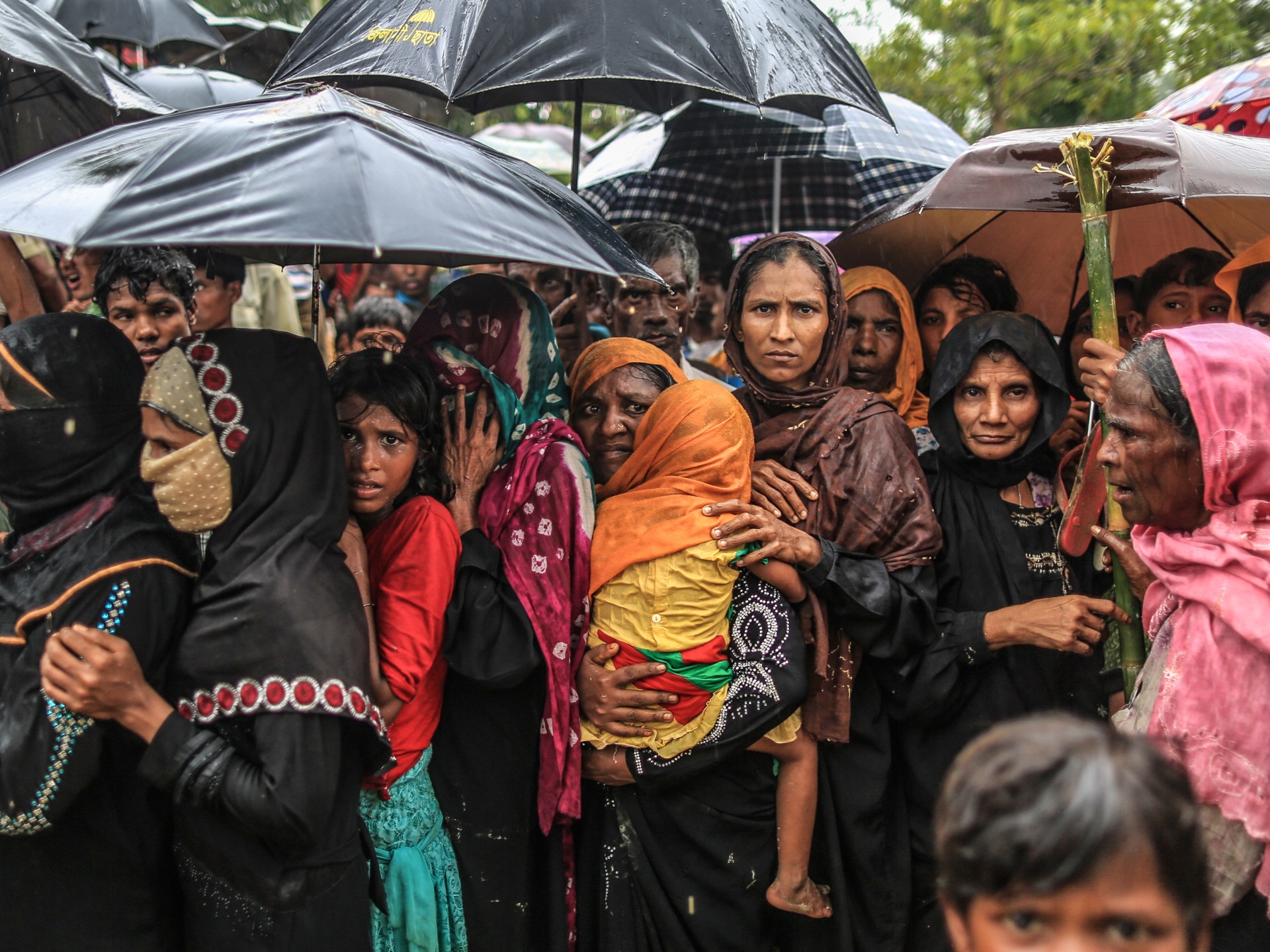
The United Nations' International Court of Justice (ICJ) in The Hague has ruled that Myanmar is responsible for committing genocide against the Muslim minority Rohingya population. In a landmark decision, the court found, by a 9-6 vote, that Myanmar breached its obligations under the 1948 Genocide Convention in northern Rakhine state, resulting in the killing of thousands of civilians, widespread sexual violence, and extreme violence against children. This is the first time a state has been found guilty of genocide at the ICJ since its establishment. The case was brought by The Gambia in 2019, alleging that Myanmar sought to destroy the Rohingya people through illegal activities targeting them. The court has ordered Myanmar to provide reparations and restitution for its wrongful acts, including facilitating the safe return of Rohingya refugees, returning or replacing damaged property, and ensuring protection from persecution. The ICJ has identified four genocidal acts: mass killing of civilians, forced displacement, serious harm inflicted upon the group, and prevention of birth. This ruling is significant for the Rohingya community, who have been seeking justice for over a decade, as well as for the international community, as it sets a precedent in proving genocide.
SUMMARY (continued): The ICJ's decision comes after more than 730,000 mainly Muslim Rohingya were forced to flee Myanmar and seek refuge in neighboring Bangladesh due to military crackdowns. The court found evidence showing that Myanmar security forces acted with "genocidal intent" in specific cases, and the only reasonable inference from widespread atrocities is that they intended to destroy a substantial part of the Rohingya minority. The situation does not end with this ruling; it remains to be seen if the issue goes before the UN Security Council, or if sanctions or other remedies are ordered to ensure enforcement. Over 1.3 million Rohingya remain displaced across South and Southeast Asia, including 1.2 million in sprawling refugee camps in Cox's Bazar, Bangladesh.
SUMMARY (continued): Human rights organizations have welcomed the ICJ's ruling as a long-overdue step towards accountability for Myanmar's crimes against the Rohingya population. Amnesty International stated that it hopes this ruling marks the beginning of a process of accountability in Myanmar, and all crimes under international law must be effectively investigated, and those suspected of responsibility brought to justice. Toby Cadman, an international human rights lawyer, emphasized the high threshold for proving genocidal intent, but highlighted that the ICJ has never before ruled that a state had specific intent to commit genocide. The ruling is a significant milestone in holding states accountable for committing genocide and ensuring justice for affected communities.