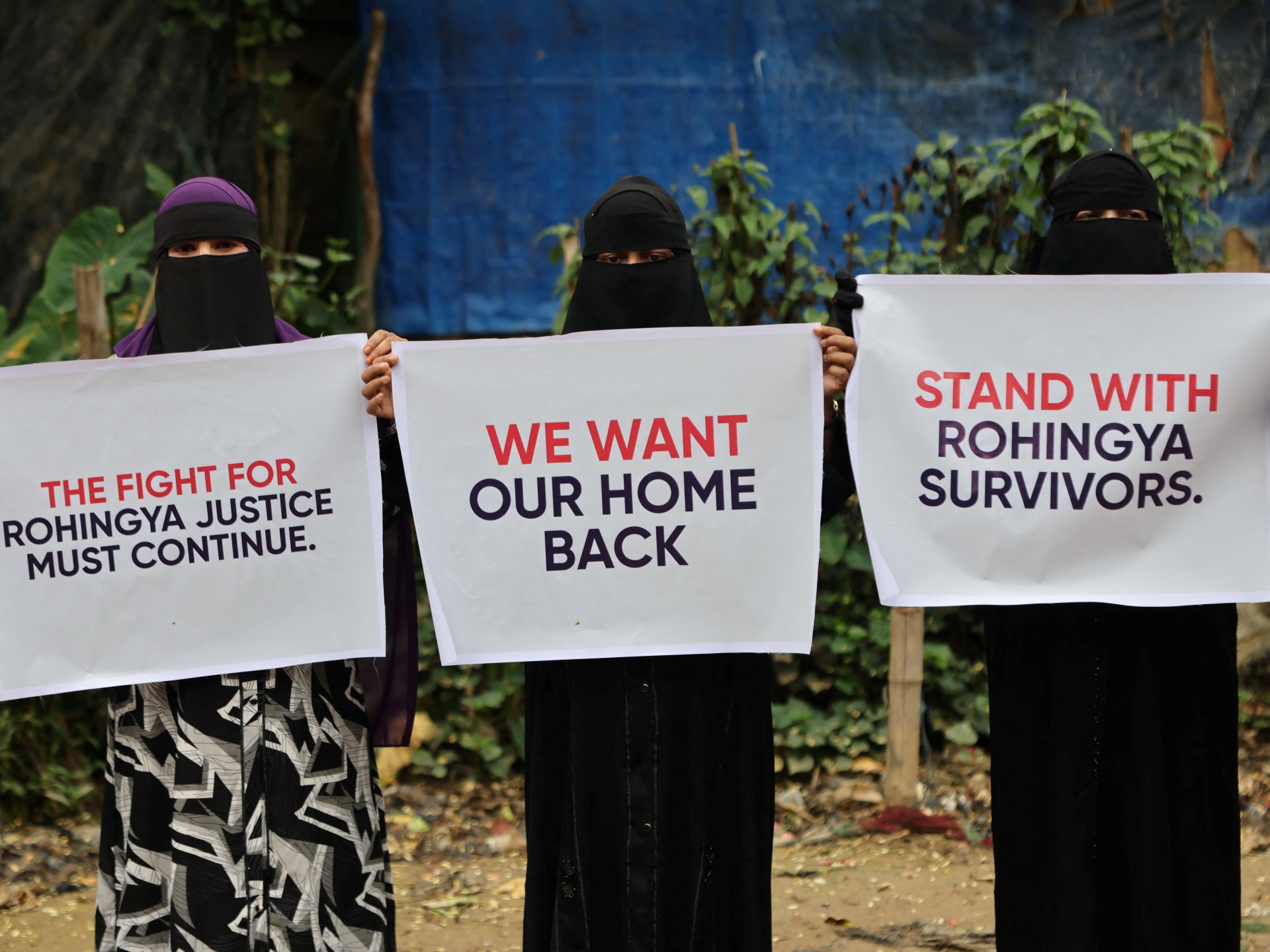
For the first time in its history, the International Court of Justice (ICJ) has ruled that a state has committed genocide, declaring Myanmar responsible for atrocities against the Rohingya minority. The verdict, delivered after seven years of deliberations and three hours of reading, found nine out of 15 judges in favor of the ruling. This landmark decision stems from a case brought forward by The Gambia in 2019, following decades of persecution that culminated in a military offensive in 2017, forcing approximately 750,000 Rohingya to flee their homes and seek refuge in neighboring Bangladesh.
The ICJ's ruling revealed extensive evidence of violence committed by Myanmar's security forces, including mass killings, sexual violence, and the systematic destruction of Rohingya villages. The military was also found to have intentionally caused serious bodily and mental harm to members of the group, disseminated hate speech, and orchestrated acts against children with the aim of preventing birth within the community.
The court ordered Myanmar to cease all acts of violence, investigate those responsible for the atrocities, prosecute and punish the guilty, and provide guarantees that such actions will not be repeated. It also mandated restitution and reparations, including allowing Rohingya refugees to return home safely and voluntarily, returning or replacing damaged property, facilitating searches for the missing, providing psychological rehabilitation, and ensuring protection from persecution.
The ICJ's ruling is a significant step towards accountability for the Rohingya people who have suffered at the hands of Myanmar's military for years. The Gambia may now present this case to the United Nations Security Council, potentially leading to further action against Myanmar for its crimes against humanity.